


Victorian Fire Basket
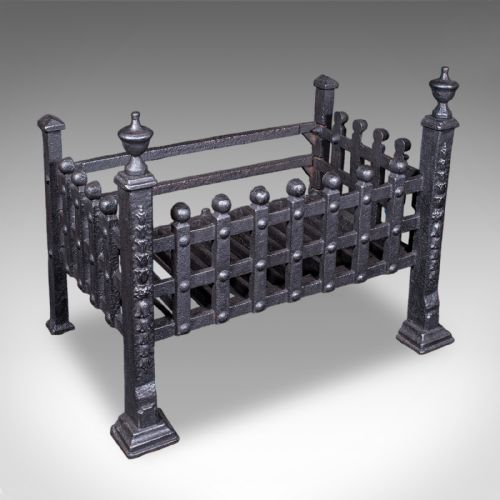
When choosing a victorian fire basket, you select an open hearth metal grate designed to hold burning fuel safely within a period fireplace.
Victorian Fire Basket
A victorian fire basket sits within an open fireplace, designed to hold coal or wood upon a raised metal grate while allowing heat to radiate into the room. These hearth fittings often appear alongside matched andirons, fire dogs, and protective fire backs.
Quality and Proportion
The distinction between standard utility grates and finer pieces lies in the crispness of the casting detail, the weight of the metal utilised, and the integration of ornamental brass work.
Proportion and scale dictate the visual balance within an inglenook or standard hearth, where heavier architectural ironwork and refined neoclassical or gothic revival motifs distinguish superior examples.
A painted wooden dummy board of a lady stands quietly by the hearth, ready to fool passing visitors.
The Victorian Fire Basket Glossary
- Fire Basket
- A metal container raised on legs or andirons designed to hold solid fuel within an open hearth.
- Andirons
- Supporting metal fire dogs placed on either side of a hearth to hold the ends of logs or support a basket.
- Fire Back
- A heavy cast iron plate placed at the back of a fireplace to protect the masonry and reflect heat forward.
- Register Grate
- A fireplace grate incorporating a movable metal plate or flap to control the draught up the chimney.
Victorian Fire Basket: Frequently Asked Questions
How do I install a fire basket?
These freestanding or hearth-mounted units simply rest within the fireplace opening, often positioned directly in front of a protective cast iron fire back.
Larger versions require stable placement on a stone or brick hearth capable of supporting the substantial combined weight of the iron grate and associated andirons.
Can I burn real wood in these grates?
Original iron grates accommodate solid fuels such as coal or seasoned logs, though historic firebricks inside the basket absorb and redirect thermal energy.
Careful selection of fuel size ensures proper airflow through the iron bars, which maintains an efficient burn and protects the metal from extreme thermal shock.
How do I clean cast iron and brass?
Routine maintenance involves brushing away ash and soot using soft bristle tools, followed by applying specialist grate polish to restore the dark iron finish.
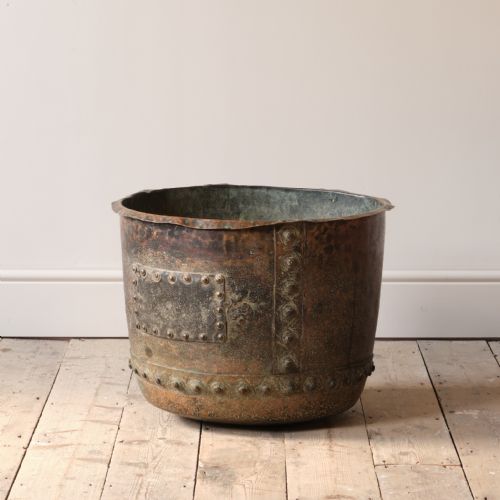
Exposed brass finials and decorative mounts respond well to traditional metal wadding, while copper buckets retain their appearance with occasional gentle wiping.
What styles were popular during this era?
Design preferences evolved from robust gothic revival and rustic farmhouse ironwork toward refined neoclassical brass detailing and arts and crafts hammered copper.
Late nineteenth century examples frequently referenced earlier georgian or adams proportions, adapting historical decorative motifs for contemporary Victorian domestic hearths.