
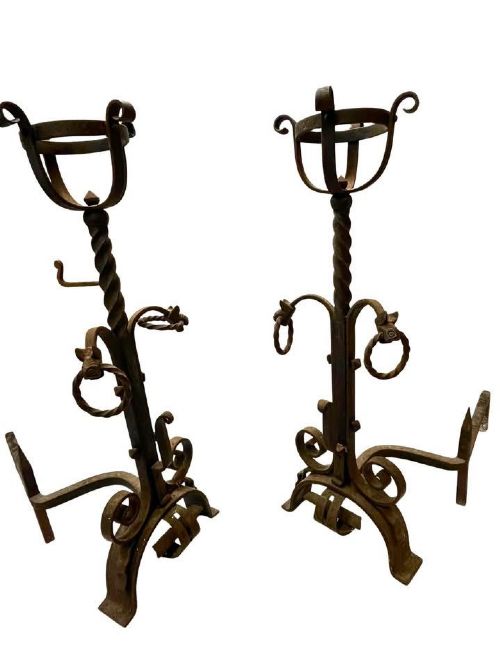


Traditional Fire Basket
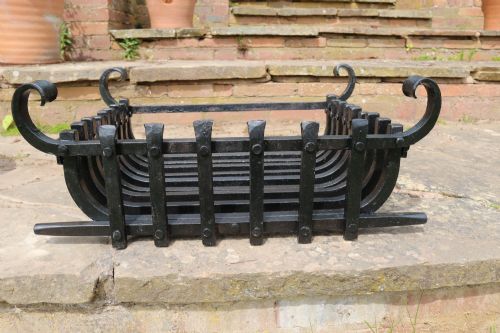
Traditional fire basket choices range from robust cast iron grates to intricate wrought iron hearth pieces designed to hold fuel securely.
Traditional Fire Basket
A traditional fire basket serves as an open hearth container for burning wood or coal within a fireplace. These utilitarian and decorative hearth furnishings appear in styles spanning the Georgian, Victorian, and Edwardian periods.
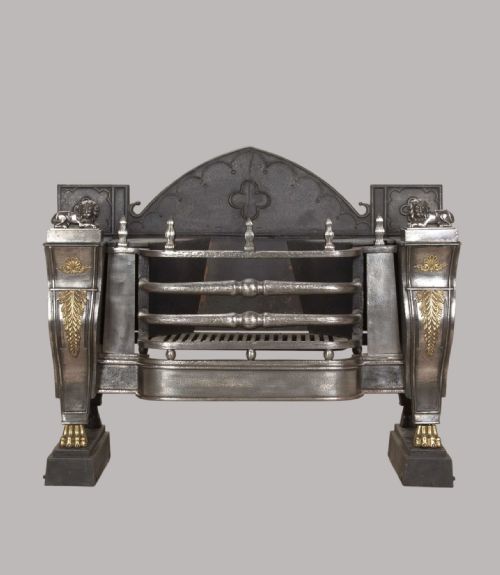
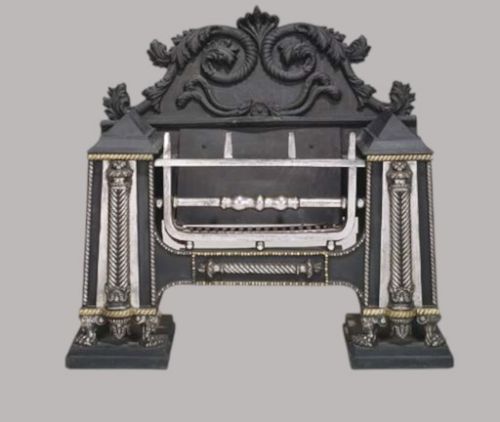
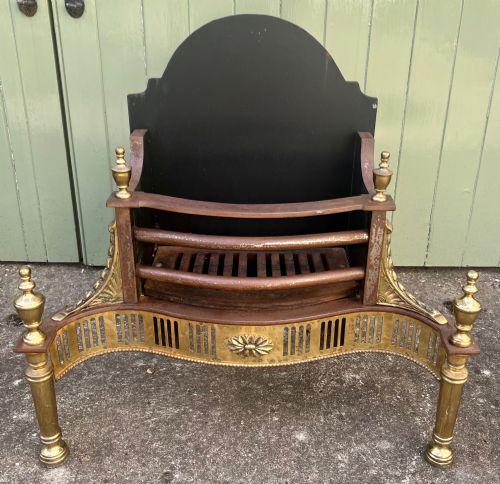
The selections on this page include open fire grates, register grates, and complete fireplace sets accompanied by andirons. Many incorporate firebacks, copper log bins, and wrought iron fire irons to complete the hearth arrangement.
Victorian and Edwardian examples sit alongside pieces referencing earlier Regency, Gothic Revival, and Neoclassical styles. Buyers find both compact grates suitable for smaller proportions and very heavy large grates built for inglenook fireplaces.
What varies in quality
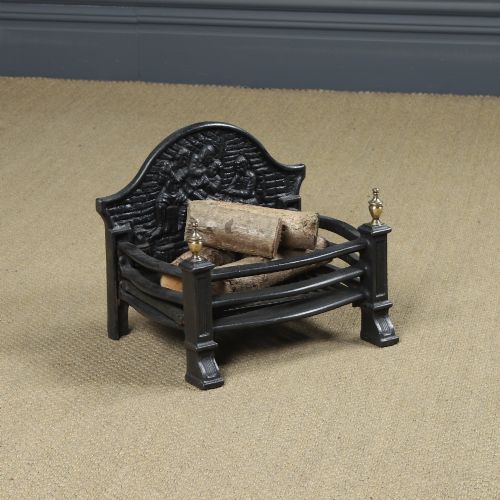
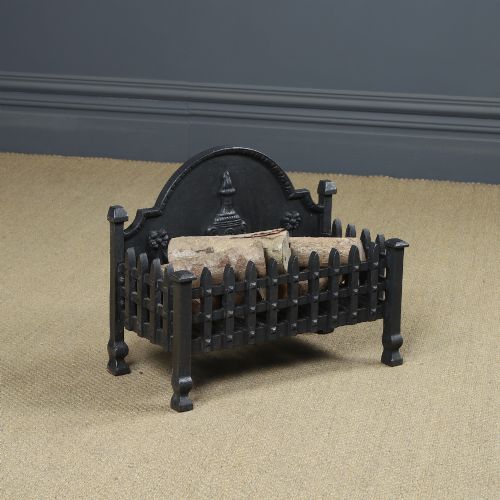
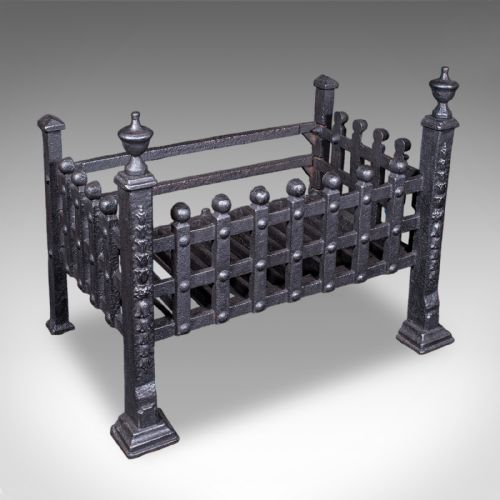
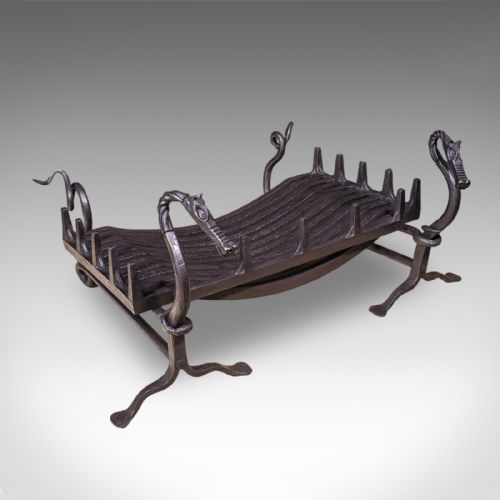
Substantial weight and thickness in the cast iron components separate robust utilitarian grates from lighter decorative reproductions. Superior examples display crisp definition in classical motifs, dragon details, or medieval style ironwork.
The integration of matching components, such as coherent andirons, firebacks, and fenders, elevates the integrity of a complete hearth set. Material combination, including the deliberate use of polished brass alongside dark iron, dictates the visual impact within a room.
Certain Victorian fireplace sets include mulling andirons equipped for warming drinks beside the flames.
The Traditional Fire Basket Glossary
- Fire basket
- An open metal basket designed to hold logs or coal for burning in a fireplace. These units often stand on legs or integrate directly with andirons.
- Andirons
- Supporting metal fire dogs placed on either side of a hearth to hold logs or support a fire basket. They frequently feature decorative front posts.
- Fireback
- A heavy cast iron plate placed at the back of an open fireplace to reflect heat into the room and protect the masonry wall. They often display classical or heraldic reliefs.
- Hob grate
- A fireplace grate featuring flat side shelves or hobs used for keeping kettles warm. These units appear in Georgian and Regency designs.
- Register grate
- A framed fireplace grate incorporating a movable flap or valve to regulate the draught up the chimney. They became common in nineteenth century interiors.
Traditional Fire Basket: Frequently Asked Questions
How do I choose the right size fire basket?
Measure the width, depth, and height of your fireplace opening carefully before selecting a grate. Heavy inglenook grates require vast hearth space, whereas small proportions suit more compact rooms.
Ensure adequate clearance around the sides and back for proper airflow and safety. Reviewing the listed dimensions helps match the basket scale to your hearth.
Can I burn real wood in a traditional fire basket?
Many traditional fire baskets function as open hearth containers intended for burning logs or coal. Cast iron and wrought iron constructions withstand high temperatures, particularly when lined with firebrick.
Verify whether a piece retains its original structural integrity for active burning or serves primarily as a decorative hearth furnishing.
What is the difference between a fire basket and andirons?
A fire basket forms a self-contained container or grate to hold fuel above the hearth floor. Andirons are paired vertical supports placed on the hearth, which can stand alone or hold a grate between them.
Many period fireplace sets combine a fire basket with matching andirons and fire irons for a unified arrangement.
How do I identify the period of a fire grate?
Period identification relies on stylistic cues such as Regency classical lines, Victorian Gothic Revival ornamentation, or Edwardian detailing. Construction methods, including the transition from hand-hammered wrought iron to mass-produced cast iron, offer further clues.
Comparing decorative motifs like Adam style urns or dragon details against known design eras helps date the metalwork.
How do I care for cast iron hearth pieces?
Cast iron and wrought iron require protection from dampness to prevent surface rust accumulation. Regular dusting and occasional application of appropriate grate polish maintain the dark finish.
Avoid using harsh chemical cleaners that might strip the historic surface of the metal.