
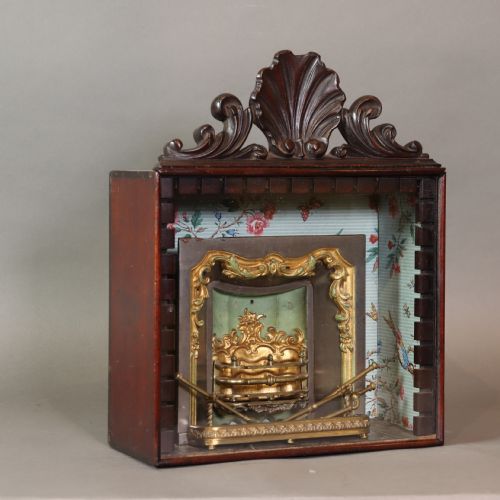


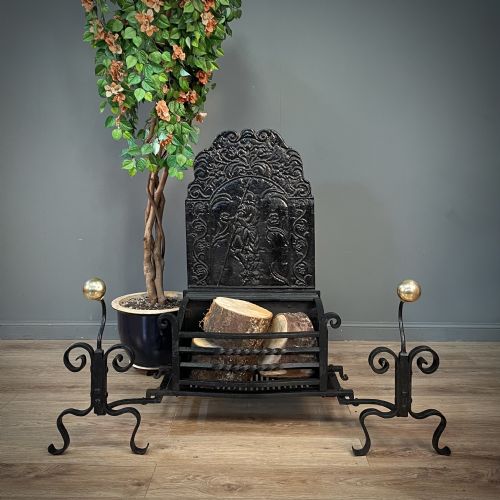

Cast Iron Fireplace Insert
These cast iron fireplace insert pieces bring period character and robust warmth to a room, offering the solid weight and presence that collectors seek.
Understanding the cast iron fireplace insert
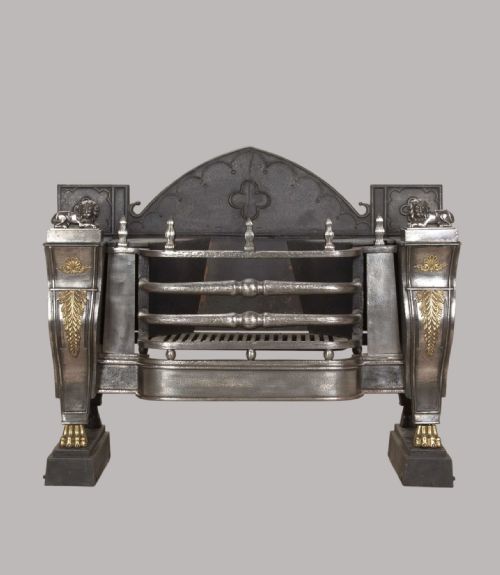
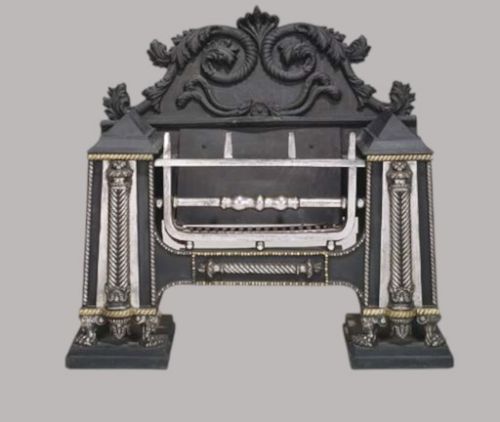
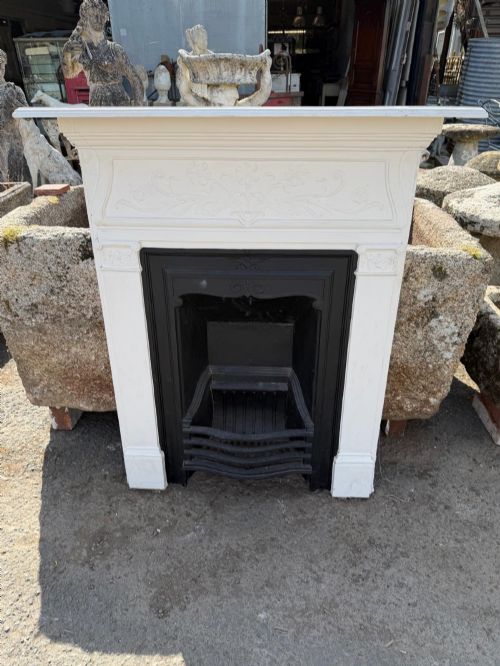
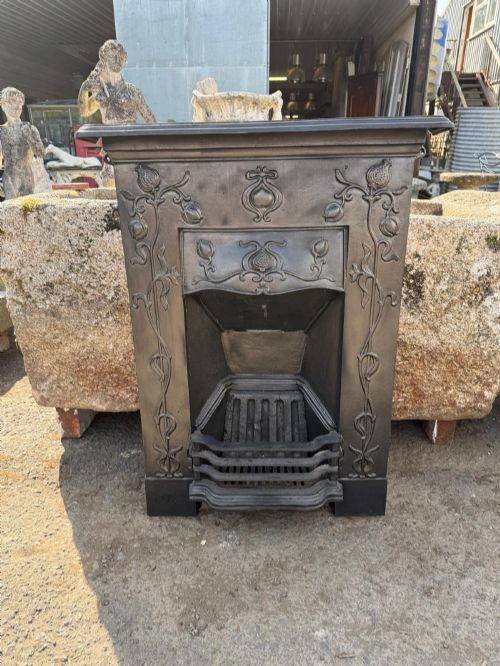
A cast iron fireplace insert brings historical presence to a room, combining structural iron with functional hearth furniture. The selections here include examples from the Georgian and Victorian periods, showcasing traditional heating architecture.
Buyers frequently encounter fire baskets and hob grates among these listings. These forms reflect both the refined lines of the Georgian era and the heavier detailing seen in Victorian and Jacobean Revival pieces.
The objects combine cast iron, wrought iron, and occasional brass components. They serve as both centrepieces and practical hearth furnishings within domestic interiors.
Construction and materials
Foundries utilised cast iron and wrought iron for the primary body and grates of these pieces. Molten metal was poured into sand moulds to create robust frames capable of withstanding intense domestic heat.
Makers integrated brass elements for decorative trim and applied hand-finishing techniques to the metal surfaces. These construction methods ensured both durability and decorative appeal in daily use.
Hob grates doubled as miniature kitchen stoves where Georgian householders could quietly simmer the morning kettle.
Assessing quality and craftsmanship
The distinction between standard and superior pieces lies in the crispness of the iron casting and the finesse of the metalwork. Finer examples display cleanly rendered decorative motifs and well-balanced proportions across the back plates and grates.
The integration of mixed metals, such as wrought iron frames paired with brass details, elevates a piece. Superior manufacture shows in the tight assembly of joints and the retention of original structural components.
The Cast Iron Fireplace Insert Glossary
- Hob grate
- A fireplace grate featuring raised side platforms used for heating vessels. These form a distinct subset of Georgian and Victorian hearth furniture.
- Fire basket
- An open metal basket designed to hold coal or wood within a hearth. They often incorporate decorative backs and integrated andirons.
- Andirons
- Supporting metal bars placed horizontally in a fireplace to hold logs. They frequently accompany fire baskets in hearth sets.
- Wrought iron
- Iron that has been heated and worked with tools rather than cast in a mould. It provides high tensile strength and resilience.
Frequently Asked Questions
How do I date a cast iron fireplace insert?
Dating relies on stylistic markers such as the transition from clean Georgian lines to ornate Victorian and Jacobean Revival ornamentation. Material combinations also provide clues to the manufacturing era.
Examination of construction techniques, such as the use of wrought iron alongside cast components, further aids in identifying the period.
Can these fireplace inserts still burn fuel?
Many of these pieces are historic items intended primarily for decorative display within period interiors. Consultation with a specialist chimney sweep or installer is essential before attempting any live burning.
Structural integrity and clearance requirements must be thoroughly checked to ensure safe usage in modern homes.
What is the difference between a hob grate and a fire basket?
A hob grate includes solid side shelves flanking the central fire area, historically used for boiling kettles. A fire basket is an open cage structure designed strictly to contain fuel.
Both forms appear across the Georgian and Victorian periods but serve different functional roles within the hearth.
How do I clean and maintain cast iron?
Maintenance involves gentle dusting and the application of specialised grate polish or black lead to protect the iron surface. Moisture should be strictly avoided to prevent rusting.
Regular light maintenance preserves the dark, lustrous finish typical of quality nineteenth-century ironwork.