



Cast Iron Firedogs
Cast iron firedogs anchor a hearth with enduring weight, offering sturdy utility and sculptural presence.
What cast iron firedogs are
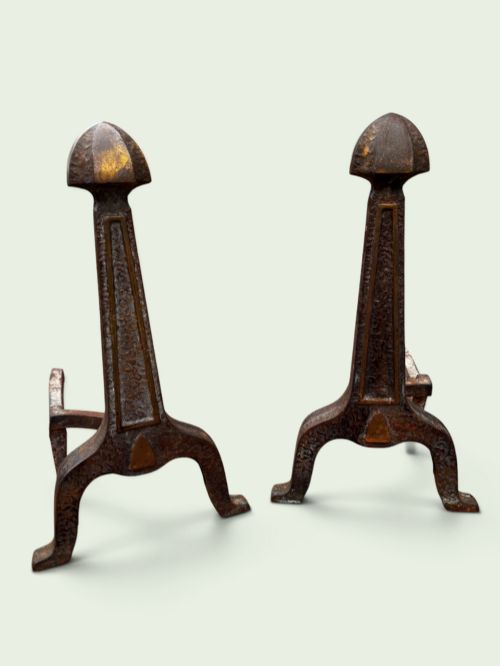
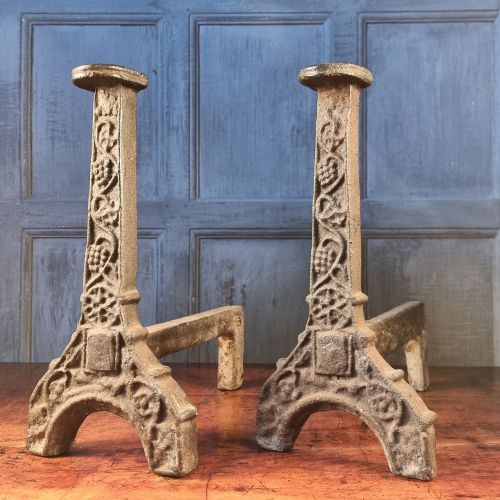
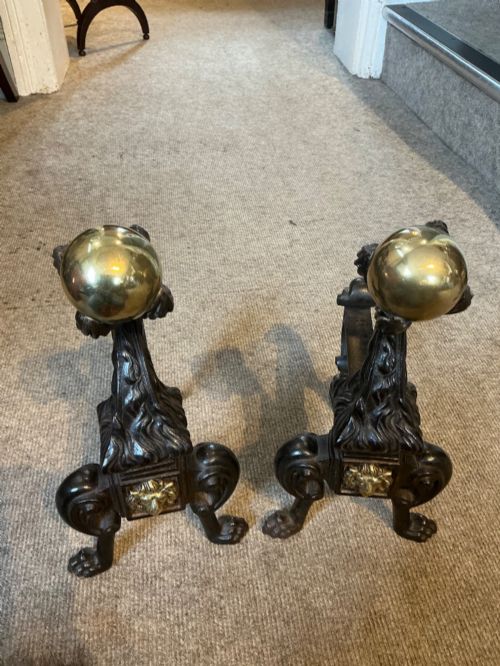
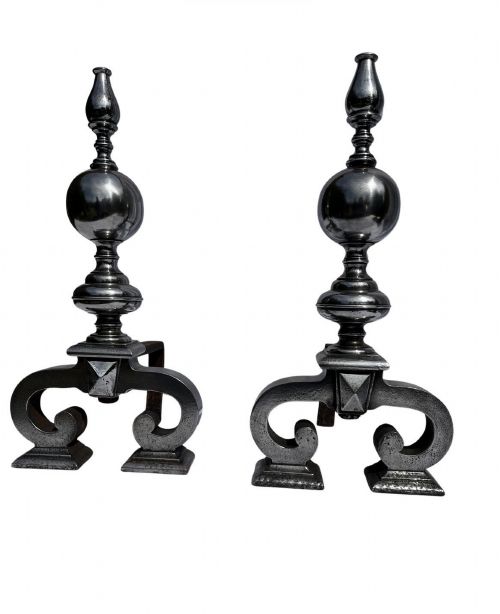
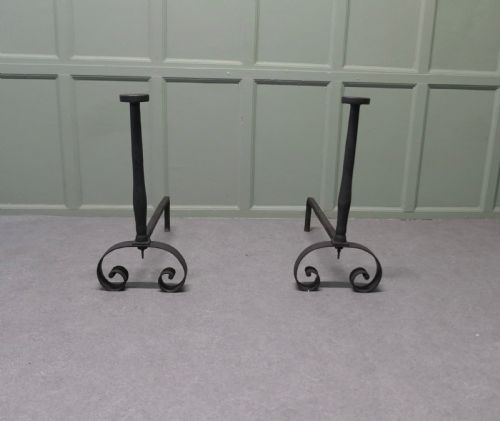
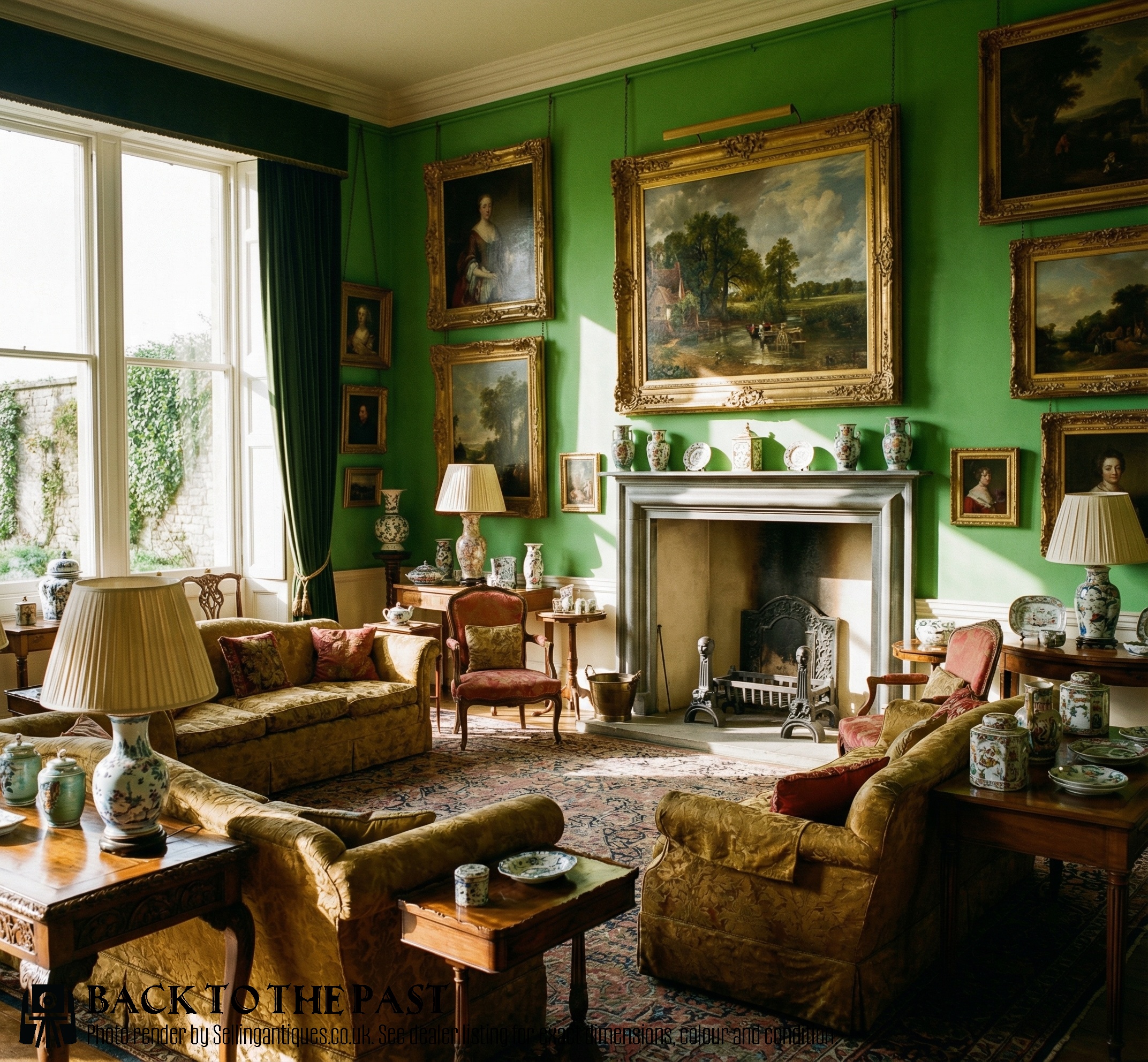
Cast iron firedogs form the structural supports for logs within an open hearth, combining heavy load-bearing metal with decorative front columns. These hearth accessories appear in forms such as andirons, fire baskets, and complete inglenook fire grates.
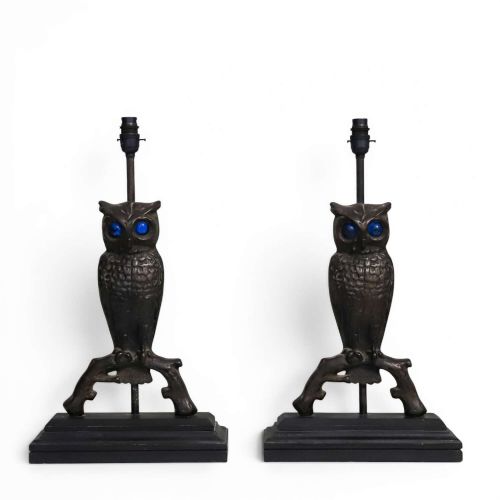
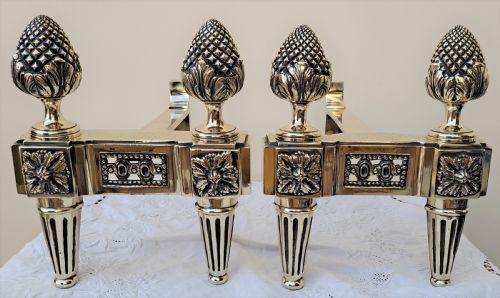
The pieces on this page span the nineteenth century and the Victorian era, including specific dates like eighteen eighty alongside French country and Renaissance Revival styles. Buyers encounter English and French origins, occasionally accompanied by brass or steel components and bronze finishes.
How they were made
Foundries utilised durable cast iron alongside wrought iron for structural strength and heat resistance inside the fireplace. Molten metal poured into moulds created the heavier decorative columns, while supplementary elements incorporated forged steel and brass.
Many examples received a bronze finish to enhance their visual depth and mimic richer metals across the Renaissance Revival and Victorian ornamental surfaces.
Retail Price Guide 2026
Typical UK retail prices for cast iron firedogs, calculated from the Sellingantiques database of over a million retail prices indexed since 2003. This retail price guide relies exclusively on Sellingantiques data; no external sources or auction records are used, so the figures do not describe the wider market.
Object forms include andirons, fire baskets, inglenook fire grates, and associated fireplace tools.
What varies in quality
The distinction between standard utility items and finer examples rests upon the weight of the metal and the crispness of the cast ornamentation. Heavier nineteenth-century pieces demonstrate superior stability for supporting large logs within deep inglenook hearths.
Detailing on Renaissance style castings and the integration of supplementary materials like brass determine the visual refinement of the pair. Pieces retaining harmonious proportions across the front standards and supporting billets represent the better end of the range.
The Cast Iron Firedogs Glossary
- Firedog
- A metal support for holding wood in an open fireplace, typically used in pairs. These heavy iron uprights keep logs elevated to allow proper airflow beneath the fire.
- Andiron
- An alternative term for firedogs, consisting of a horizontal bar with an upright decorative front standard. They protect the hearth floor and support burning logs.
- Inglenook
- A large recessed fireplace space designed to accommodate seating alongside the fire. Inglenook grates and firedogs built for these spaces are exceptionally heavy and deep.
- Renaissance Revival
- A nineteenth-century architectural and decorative style drawing inspiration from fifteenth and sixteenth-century motifs. Pieces in this style often feature classical figures, scrolls, and heavy cast ornamentation.
Frequently Asked Questions
What are cast iron firedogs used for?
Cast iron firedogs support firewood inside an open hearth, elevating logs to improve airflow and combustion.
Beyond their practical function, they serve as decorative focal points for the fireplace.
How do I identify Victorian firedogs?
Victorian firedogs often display characteristic nineteenth-century ornamentation, ranging from heavy utilitarian forms to ornate Renaissance Revival styles.
Materials frequently include cast iron combined with brass elements or a bronze finish.
Can firedogs be used in a modern fireplace?
Firedogs function effectively in open masonry fireplaces sized to accommodate their depth and weight.
Buyers should measure the hearth carefully to ensure adequate space for the iron supports and burning logs.
What is the difference between firedogs and andirons?
Firedogs and andirons are essentially the same objects, though regional naming conventions vary.
Both terms describe the paired metal supports used to hold wood in a fireplace.