





Victorian Hearth Tools
These victorian hearth tools bring genuine utility and period character to the fireplace, forged from durable metals to tend coal and wood fires.

Victorian Hearth Tools
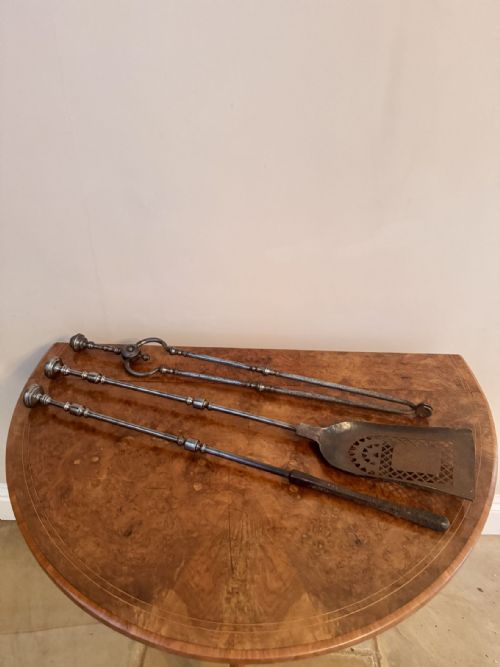
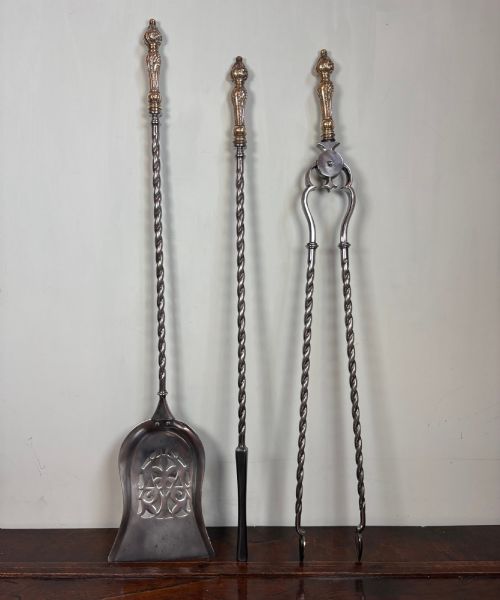
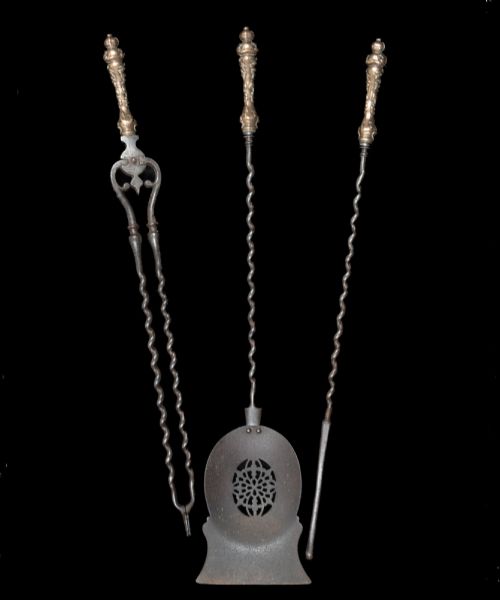
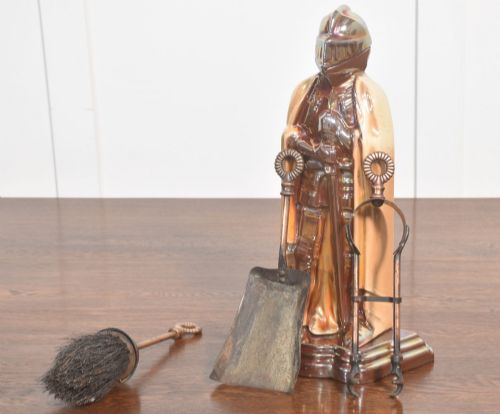
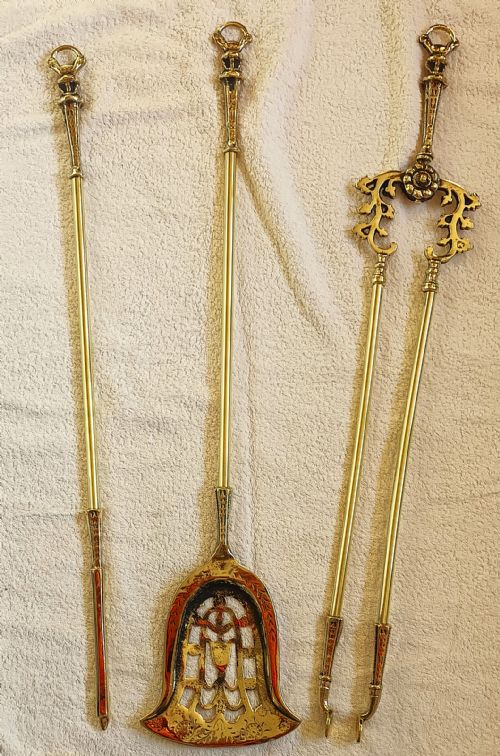
When you search for victorian hearth tools, you encounter a specialised selection of fireplace accessories designed to manage open fires. These implements range from standalone companion sets to individual pokers, shovels, and tongs.
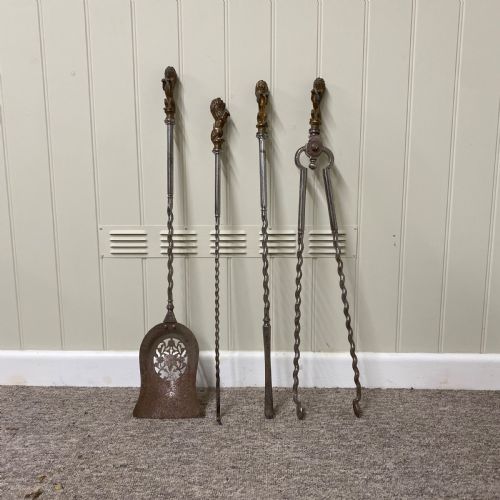
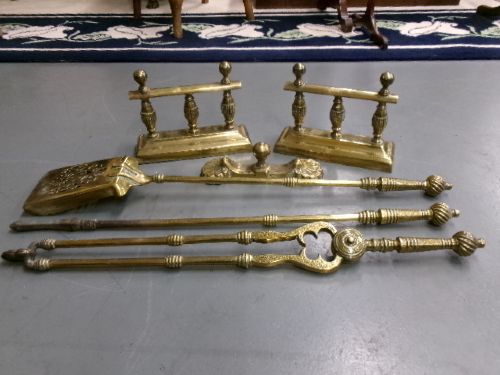
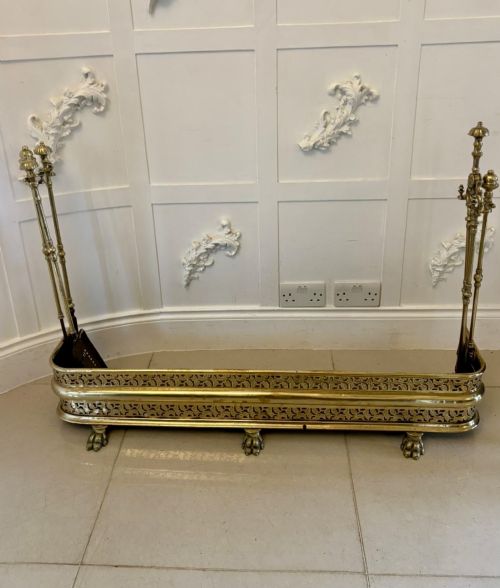
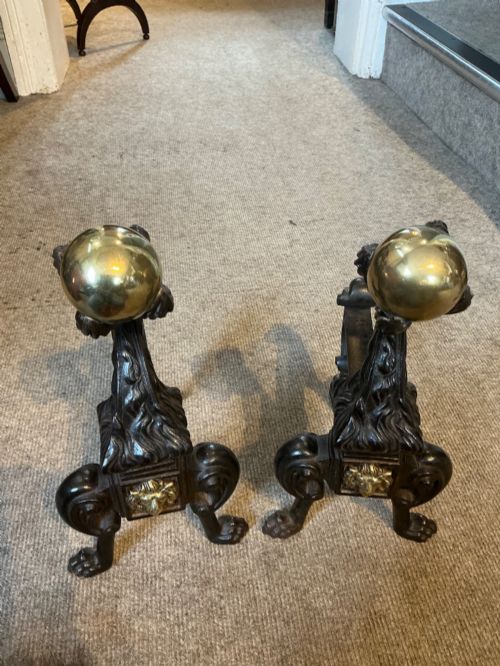
The pieces on this page are most frequently cast in brass or forged from steel and iron, reflecting the utilitarian needs of nineteenth-century domestic life. Many examples survive as complete sets accompanied by matching fire dogs or dedicated tool rests.
Originating largely from English workshops, these items span periods from the mid-nineteenth century into the early twentieth century. You will also discover decorative variations influenced by the Arts and Crafts and Aesthetic movements.

Materials and construction
Blacksmiths and metalworkers utilised brass, cast iron, wrought iron, and polished steel to build implements durable enough for daily hearth use. Brass provided a bright, ornamental finish, while steel and iron offered the necessary strength for heavy pokers and tongs.
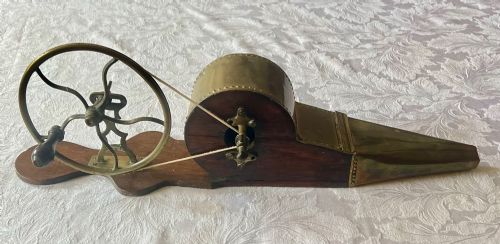
Handles often incorporated decorative elements such as rope twist patterns, while bellows utilised supple leather alongside painted or decorated wood panels. Artisans combined these metals to balance visual elegance with robust structural endurance.
Victorian Hearth Tools Retail Price Guide 2026
Typical asking prices for victorian hearth tools among the pieces listed under this phrase on Sellingantiques today, from the lower quarter to the upper quarter. They describe what is for sale here now, not the wider market.
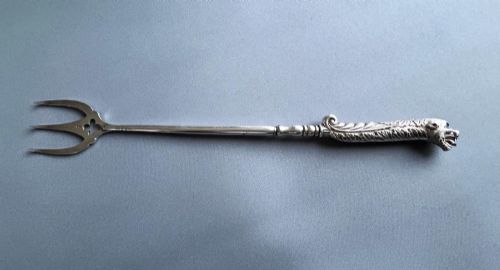
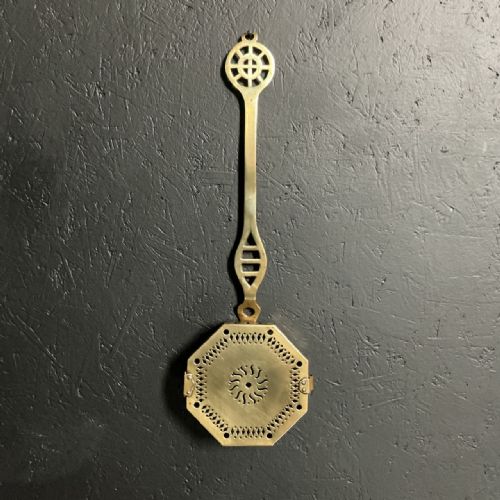
Keep an eye out for chestnut roasters, designed to turn a humble evening snack into an elaborate fireplace ritual.
Evaluating quality and execution
The distinction between standard utility items and superior examples lies in the weight of the metal and the crispness of the casting. Heavier companion sets utilise thicker gauges of brass and steel, ensuring stability and longevity at the hearth.
Refined pieces display careful attention to detail in handle shaping and decorative motifs, such as Rococo or Gothic Revival styling. Original matching components and undamaged tool rests elevate the integrity of a set.
Liberty & Co
The Victorian Hearth Tools Glossary
- Companion set
- A matched collection of fireplace implements, typically including a poker, tongs, and shovel, arranged together on a stand or near fire dogs.
- Fire irons
- The individual metal implements used for tending an open fire, spanning pokers, shovels, and tongs.
- Fire dogs
- Horizontal iron or brass supports placed in a hearth to raise logs, often styled to complement nearby companion sets.
- Bellows
- A device constructed from wood and leather designed to pump air into a fire to encourage combustion.
- Bannock turner
- A traditional flat spatula utilised for baking over an open fire, recorded in Scottish domestic settings.
Victorian Hearth Tools: Frequently Asked Questions
What tools come in a standard set?
A standard nineteenth-century companion set typically includes a poker for adjusting logs, a shovel for clearing ash, and a pair of tongs for handling fuel.
Many arrangements also incorporate a dedicated stand, hearth rest, or matching fire dogs to hold the implements neatly beside the fireplace.
How do I care for polished steel tools?
Polished steel requires dry storage and occasional light maintenance to prevent surface oxidation in humid rooms.
Applying a microcrystalline wax helps protect the polished finish without harming the historic metal.
Can I use these tools on a modern fire?
These nineteenth-century implements are constructed from robust brass, iron, and steel designed specifically for tending real fires.
Their heavy construction makes them fully functional for modern hearths, provided they are used with appropriate care for their age.
How do I distinguish Arts and Crafts examples?
Arts and Crafts pieces emphasise honest construction, hand-beaten textures, and simpler, utility-driven forms rather than ornate Victorian ornamentation.
They often highlight the natural properties of the brass, copper, or iron used by the maker.