






Traditional Fire Tools
Traditional fire tools are the heavy metal implements that tended hearths in grand country houses and smaller parlours alike, valued for both their utilitarian strength and their polished appearance.
Traditional Fire Tools
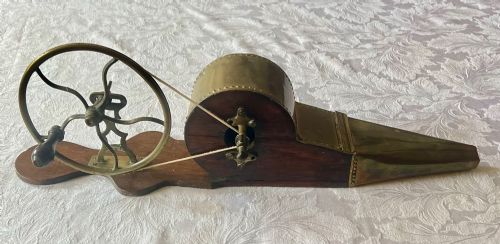
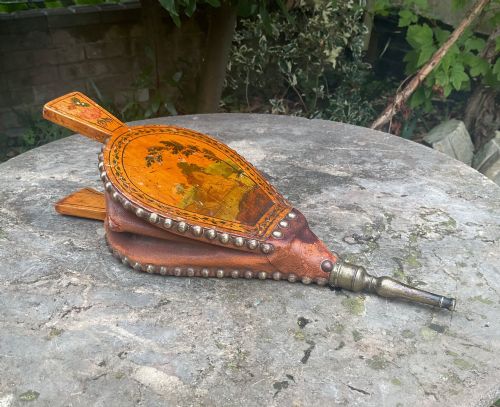
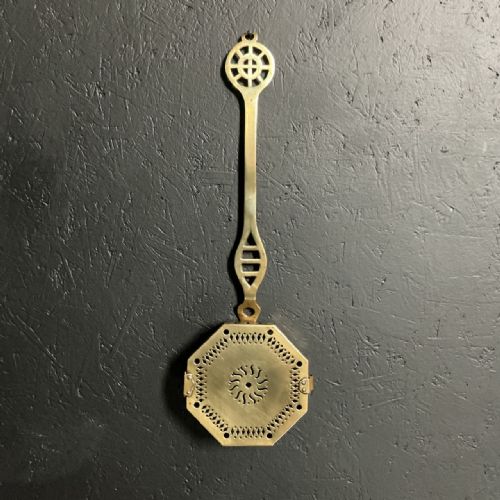
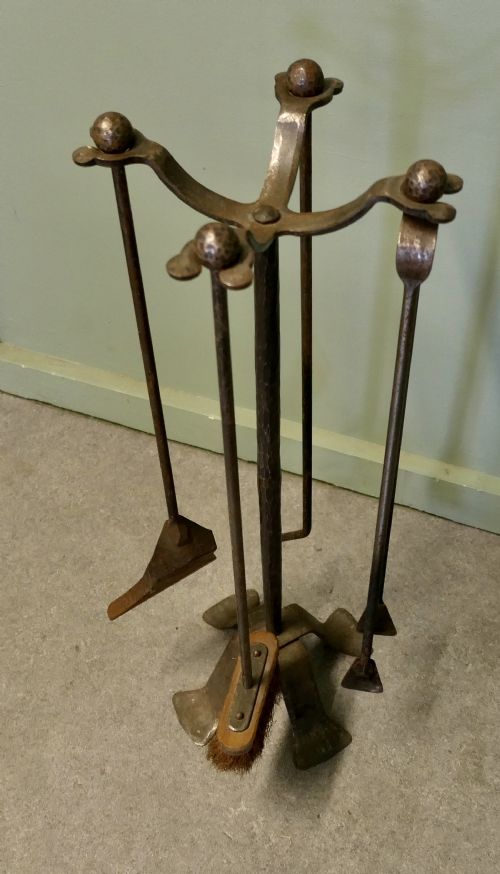
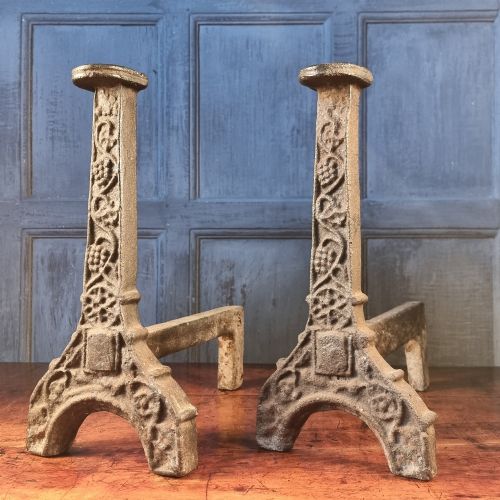
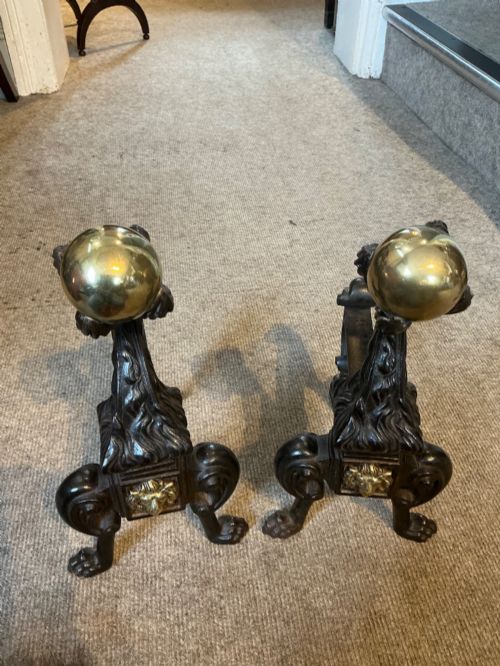
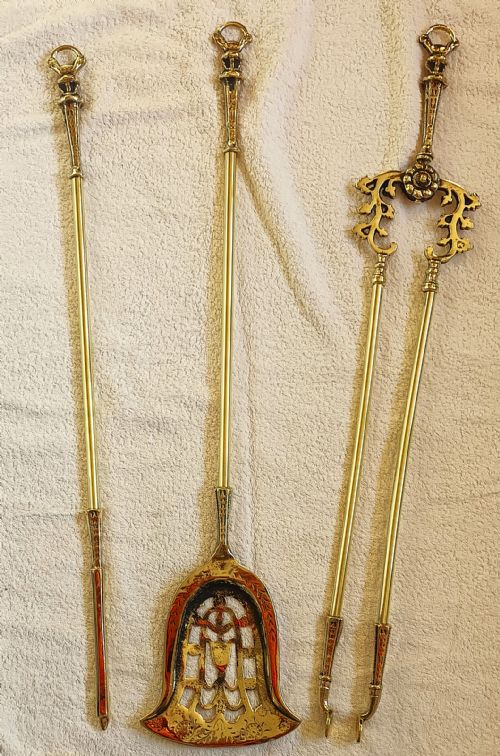
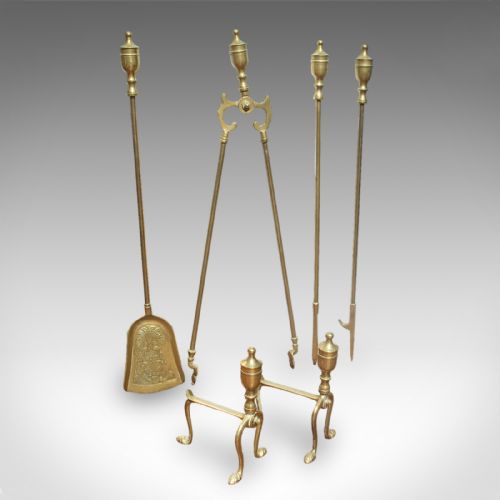
Traditional fire tools encompass complete companion sets, individual pokers, tongs, and shovels, alongside related hearth furniture such as andirons and bellows. These pieces span several eras, appearing most frequently in nineteenth-century Victorian designs alongside eighteenth-century and Edwardian examples.
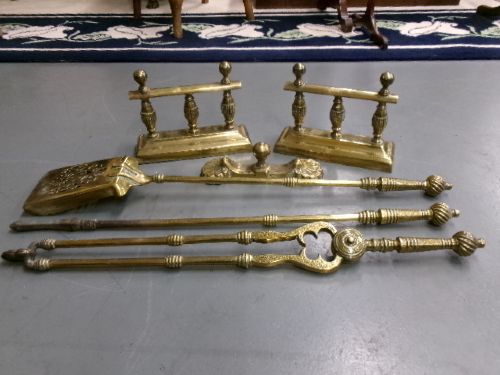
The objects take various forms, from sturdy cast and wrought iron implementations suited to large inglenook fireplaces to bright brass sets intended for formal reception rooms. Buyers encounter full matching suites complete with stands alongside assembled groupings gathered over generations of use.
Origins stretch across English country house workshops and French manor houses, reflecting the practical demands of coal and wood fires. Whether styled in simple traditional fashion or elaborate Gothic and Rococo revivals, these accessories form the functional heart of period hearths.
How they were made
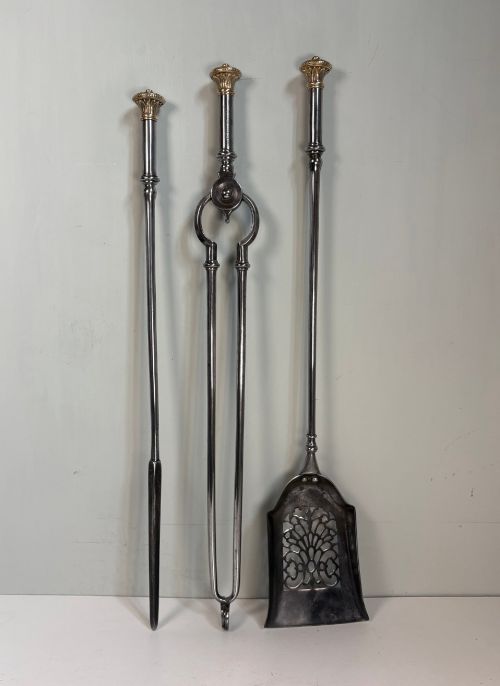
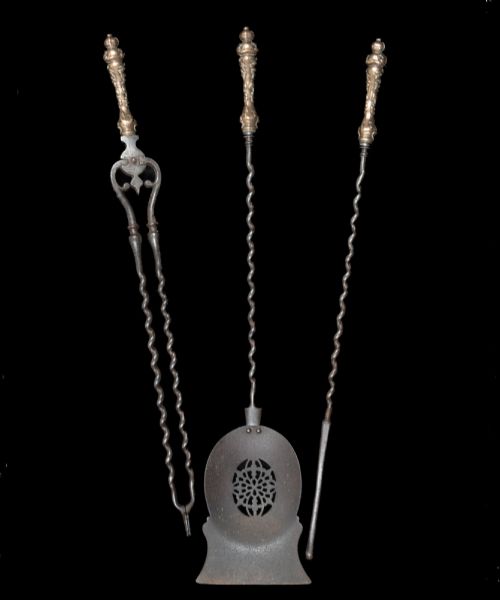
Makers relied on durable metals such as brass, steel, iron, and copper, often combining them within a single set for structural resilience and visual contrast. Steel and wrought iron provided the strength needed for heavy poker work and ash lifting, while polished brass and gun metal offered decorative warmth.
Handles and fittings frequently incorporated detailed hand-finishing, including rope twists and cast ornamentation, mounted securely to long shafts designed to keep the user at a safe distance from the flames.
Traditional Fire Tools Retail Price Guide 2026
Typical asking prices for traditional fire tools among the pieces listed under this phrase on Sellingantiques today, from the lower quarter to the upper quarter. They describe what is for sale here now, not the wider market.
Chestnut roasters tucked among these listings prove that historic hearths doubled as domestic kitchens for roasting evening snacks over glowing coals.
What varies in quality
Quality rests in the substantial weight of the metal and the rigidity of the shafts, where lesser pieces feel light and flexible in the hand while finer sets demonstrate heavy-gauge construction designed for daily service. Balance and proportion dictate how comfortably a poker or pair of tongs hangs upon its stand or rests against the hearth.
Surface finishing and decorative detail separate standard utilitarian implements from superior examples, visible in crisp casting lines, tightly wound rope twists, and the preservation of original polished steel surfaces without excessive pitting.
The Traditional Fire Tools Glossary
- Companion set
- A matched group of fireplace tools, usually comprising a shovel, poker, and tongs, often arranged together on a shared stand or resting place.
- Andirons
- A pair of horizontal metal supports raised on legs, placed in a hearth to hold logs above the floor for better air circulation.
- Fire irons
- The collective term for the functional metal implements used to manage a coal or wood fire.
- Bellows
- A device constructed from leather and wood used to pump a stream of air into a fire to encourage combustion.
- Fender
- A low metal guard placed around the hearth opening to contain stray embers and protect the surrounding floor.
Traditional Fire Tools: Frequently Asked Questions
What is included in a companion set?
A standard companion set typically includes a shovel for clearing ash, a poker for adjusting burning fuel, and a pair of tongs for moving logs or coal.
Many sets also incorporate a dedicated stand to keep the implements orderly beside the hearth when not in active use.
How do I date a set of fire tools?
Dating relies upon stylistic markers such as Rococo revival curves, Gothic motifs, or the clean lines associated with Edwardian and Victorian manufacturing periods.
Material choices, manufacturing methods like hand-wrought iron versus machine casting, and handle construction further help determine the era of origin.
Can antique fire tools still be used?
Most traditional metal fire tools remain entirely robust and well-suited for daily service on modern open fires and wood-burning stoves.
Care should be taken with delicate brass components or antique steel to preserve their historical surfaces against excessive heat and moisture.
What is the difference between iron and brass tools?
Iron and wrought iron tools offer exceptional durability and a heavy, industrial character suited to large fireplaces and robust handling.
Brass tools provide a brighter, more decorative appearance that was historically preferred for formal drawing rooms and polished Victorian hearths.