
Antique Fireplace Basket
An antique fireplace basket brings functional warmth and enduring period character to a hearth, uniting practical fuel storage with refined metalwork.
Antique Fireplace Basket
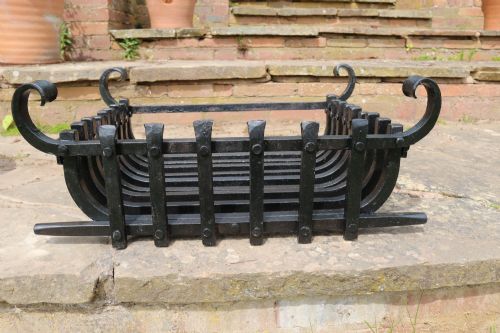
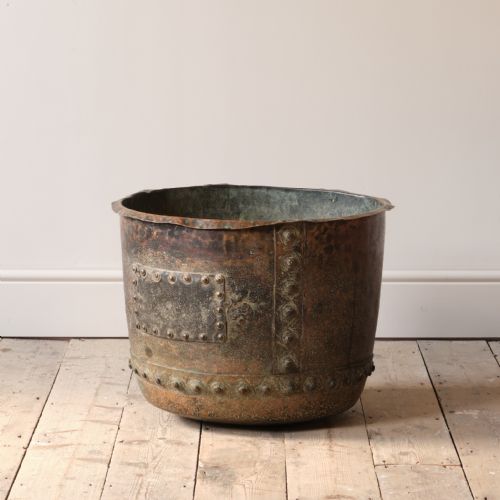
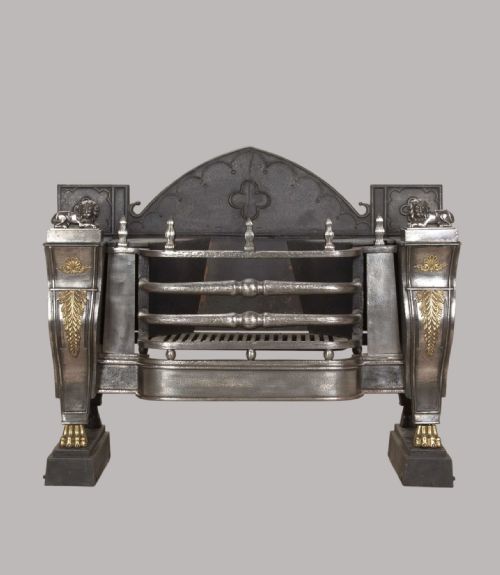
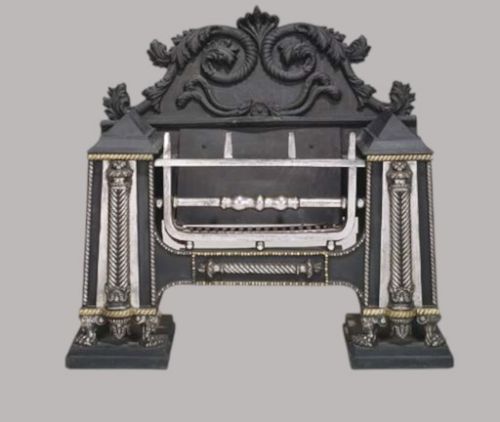
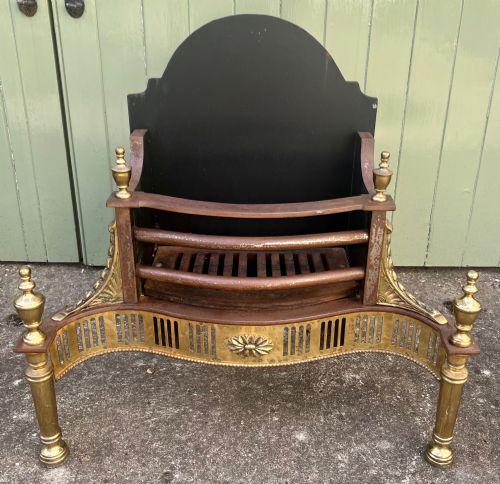
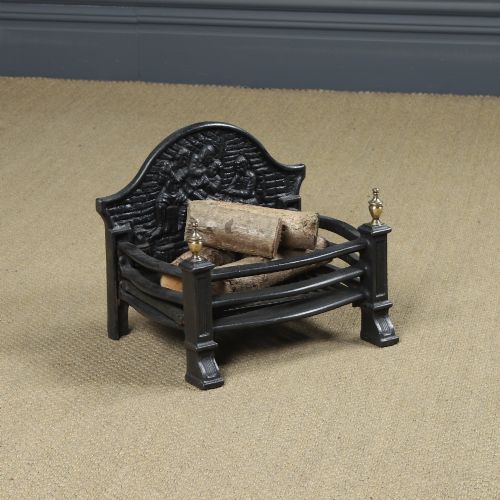
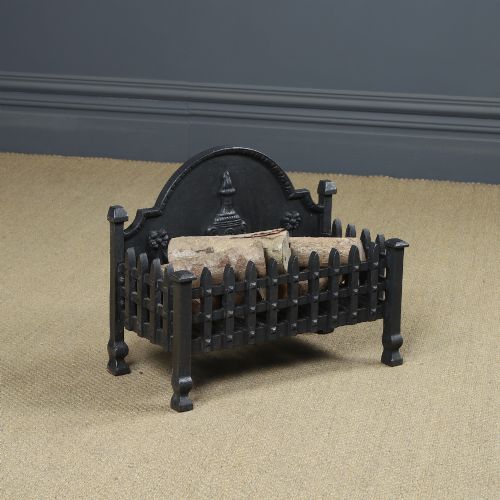
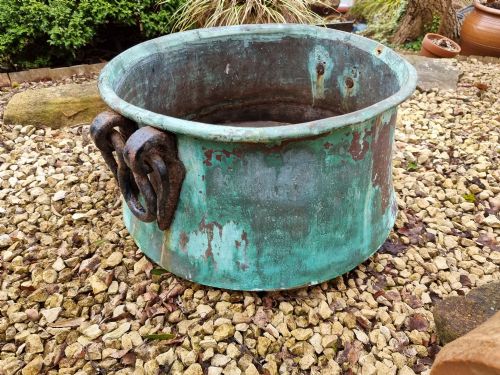
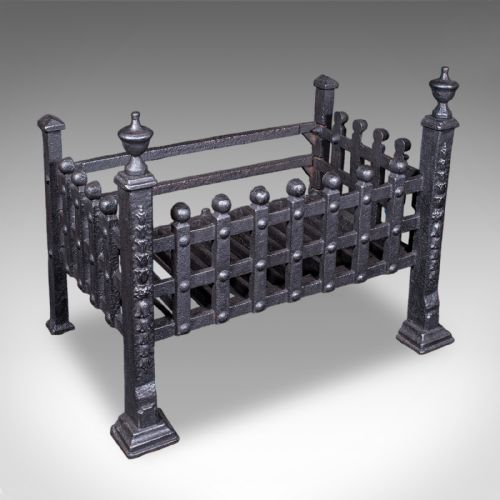
An antique fireplace basket encompasses open grates designed to hold coal or wood inside a chimney and sturdy freestanding vessels intended for fuel storage beside the hearth. These objects appear across Georgian, Victorian, and Edwardian periods, frequently taking the form of cast iron grates or riveted copper log bins.
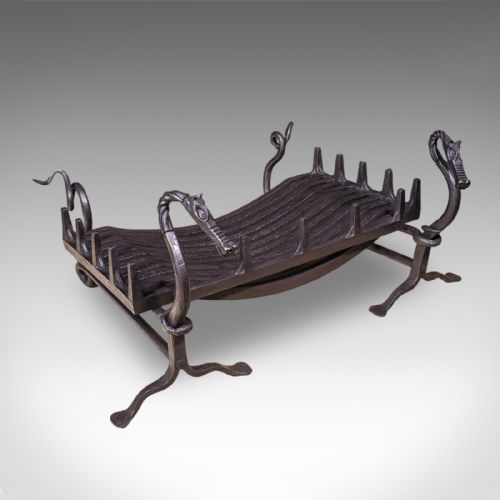
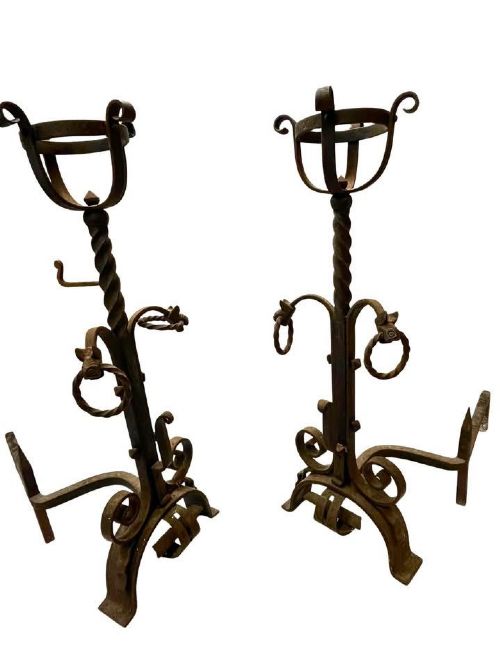
The buyer encounters items ranging from classical hob grates to Gothic Revival fire baskets and Arts and Crafts wrought iron work. Many examples incorporate matching andirons or fire dogs to complete the hearth arrangement.
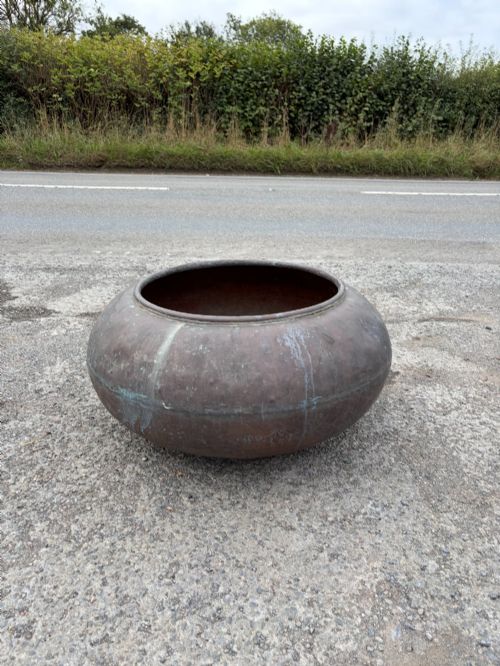
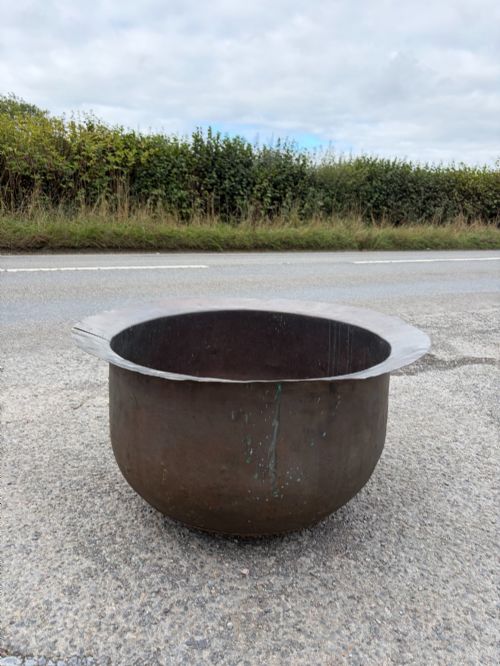
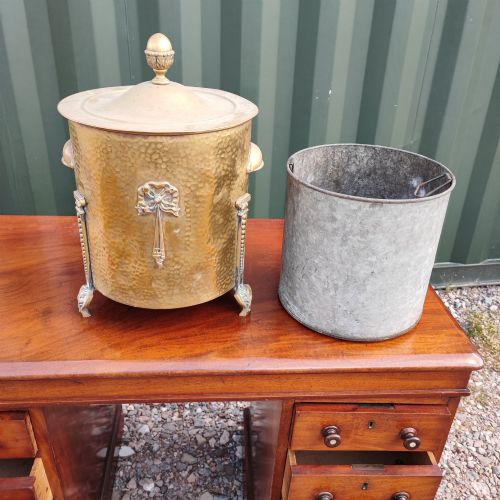
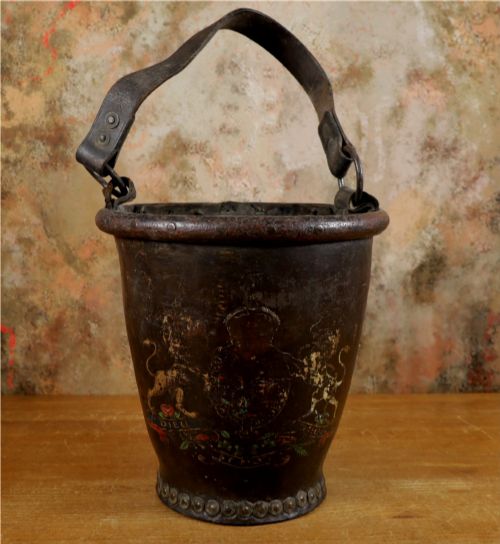
Vessels constructed from copper, brass, and pine also populate the category, serving as coal scuttles, peat buckets, and kindling holders. Each piece reflects the domestic heating requirements of its era, moving from functional coal containers to decorative focal points.
Materials and construction
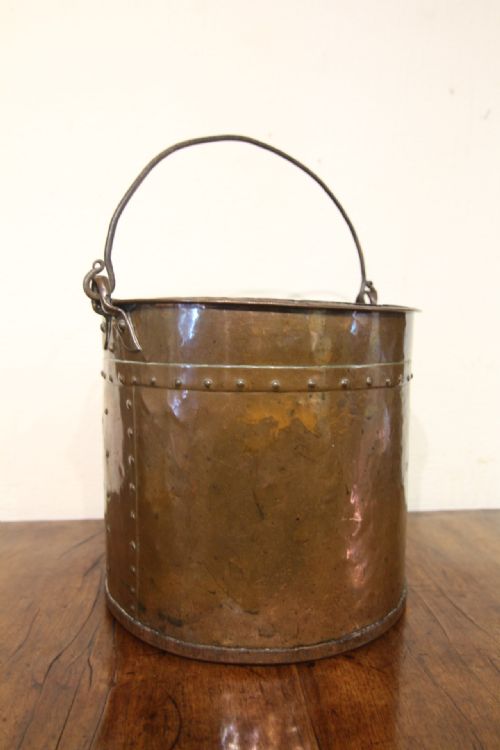
Cast iron and wrought iron form the structural core of most fire baskets and grates, providing the necessary heat resistance and load-bearing strength. Artisans utilised hand-riveting for copper buckets and coal scuttles, often pairing the warm metal with sturdy iron handles and brass accents.
Secondary materials include firebrick lining the interior of grates, pine for woven baskets, and oak utilised in coopered barrels. Metal components frequently display applied finishes such as verdigris or decorative brass mounts cast in classical and neo-Gothic motifs.
Listings feature items spanning the Georgian, Victorian, and Edwardian eras, constructed from copper, brass, cast iron, and wrought iron.
Distinctions in manufacture
Quality rests in the weight of the metal and the precision of the assembly, such as hand-hammered copper rivets and deeply detailed cast iron relief work. Superior grates exhibit clean classical lines or intricate Gothic Revival tracery without casting flaws or modern structural repairs.
The integrity of the construction dictates longevity, separating robustly coopered wooden vessels and heavy wrought iron frames from lighter, purely decorative pieces. Original matched components, including integrated andirons and fire backs, elevate the cohesion of the complete set.
The Antique Fireplace Basket Glossary
- Fire basket
- An open metal receptacle designed to hold solid fuel within a fireplace hearth. These pieces are often raised on legs or paired with andirons.
- Hob grate
- A fireplace grate featuring flat raised shelves on either side of the fire area. These surfaces were historically used for keeping kettles warm.
- Andiron
- A horizontal iron support raised on legs, used in pairs to hold logs within a fireplace. They frequently match the decorative style of the accompanying fire basket.
- Coal scuttle
- A container specifically designed for holding and transporting coal to the fire. Common materials include riveted copper and polished brass.
- Fire back
- A heavy cast iron plate placed against the back wall of a fireplace. It protects the masonry and radiates heat back into the room.
Antique Fireplace Basket: Frequently Asked Questions
How do I choose the right size fire basket?
Measure the internal dimensions of your fireplace opening, ensuring adequate clearance around the sides and back for safe airflow and heat dispersion. Consider whether you intend to burn wood logs or coal, as this dictates the depth and bar spacing required.
Take note of whether the piece is a freestanding unit or a fixed grate replacement. Matching the proportions of the basket to the hearth scale maintains visual balance in the room.
How do I care for copper and brass fireside pieces?
Maintain metal surfaces by dusting regularly with a soft, dry cloth to prevent the accumulation of soot and hearth debris. Avoid harsh chemical cleaners that strip historical patina, opting instead for gentle, traditional metal polishes where appropriate.
Allow copper to develop a natural aged finish if you prefer a deeper historical appearance. Keep wooden and leather components away from excessive direct heat to prevent warping or drying out.
What is the difference between a log bin and a coal scuttle?
Log bins are typically wider, open-topped vessels fashioned from copper, pine, or oak, designed to hold larger firewood logs beside the hearth. Coal scuttles generally feature a covered lid, a hinged handle, and a narrower shovel profile to facilitate pouring small fuel.
Both items served essential domestic functions in period homes but catered to different fuel types and storage needs. Their distinct forms reflect the practical demands of Victorian and Edwardian coal and wood heating.