


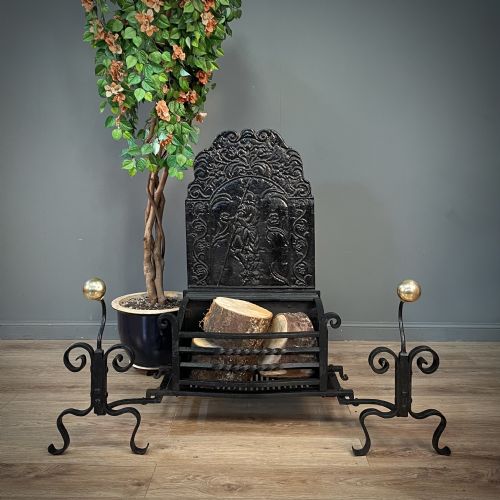
Georgian Fire Basket
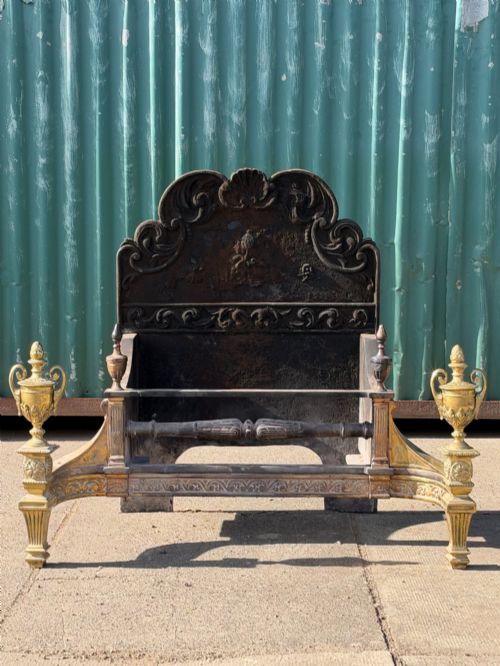
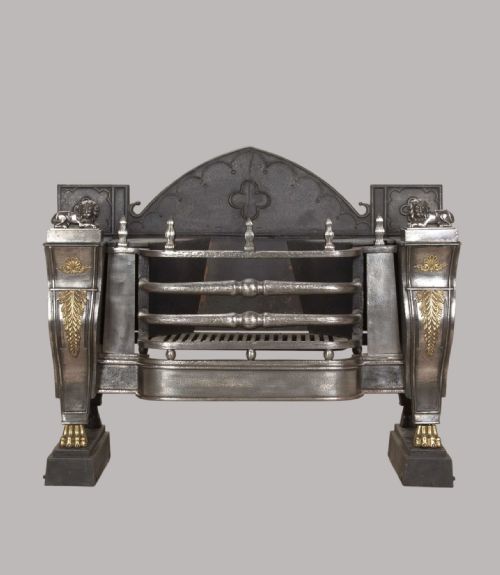
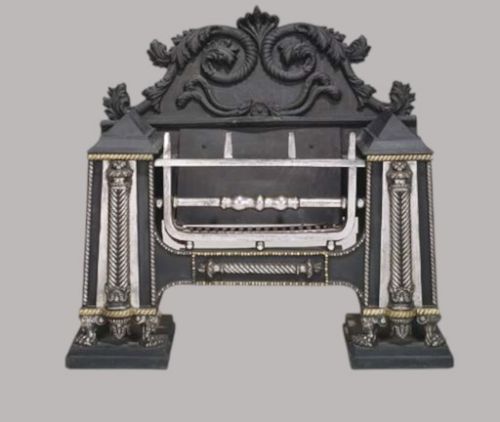
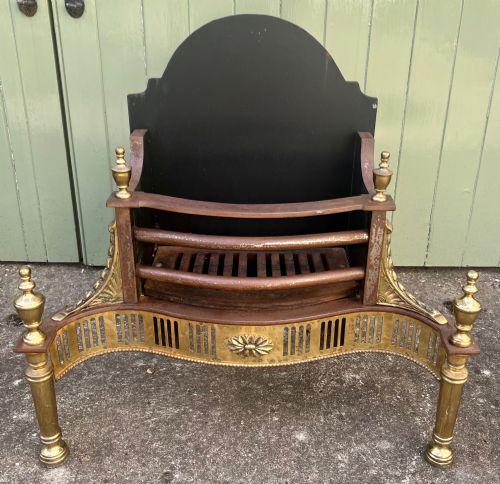
These georgian fire basket pieces bring substantial metalwork and leather storage into the hearth, offering both structural utility and period presence.
Georgian Fire Basket
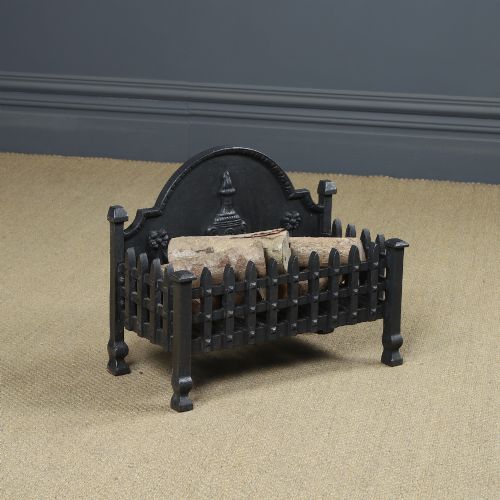
When you search for georgian fire basket examples, you encounter a mix of cast and wrought iron grates alongside leather and copper buckets. The selection spans open fire grates, register grates, and hearth accessories from the Georgian era through to later revivals.
You are most likely to meet cast iron grates of classical or neoclassical design alongside leather fire buckets bearing studded details. These objects served functional roles in the domestic interior, holding fuel or water near the hearth.
Materials and construction
The metal pieces rely heavily on cast iron, wrought iron, and brass, often combined within a single grate. Founders poured iron into moulds for the decorative backs and frames, while smiths shaped wrought iron components for strength.
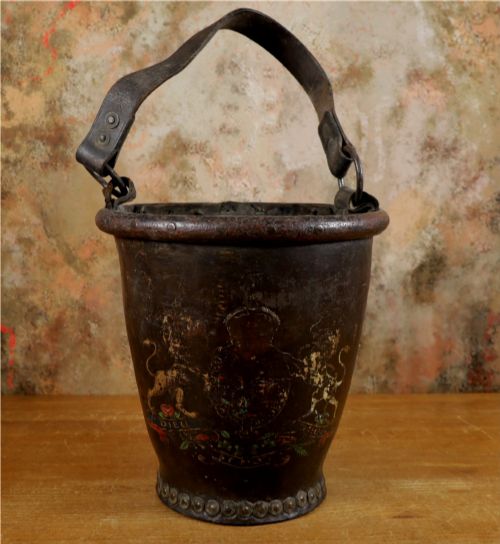
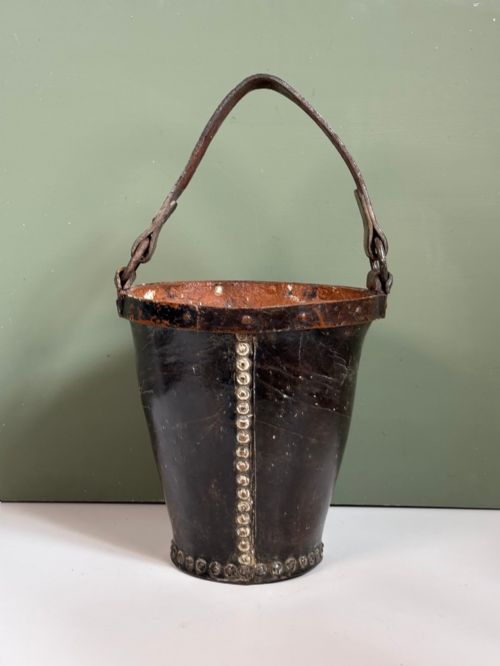
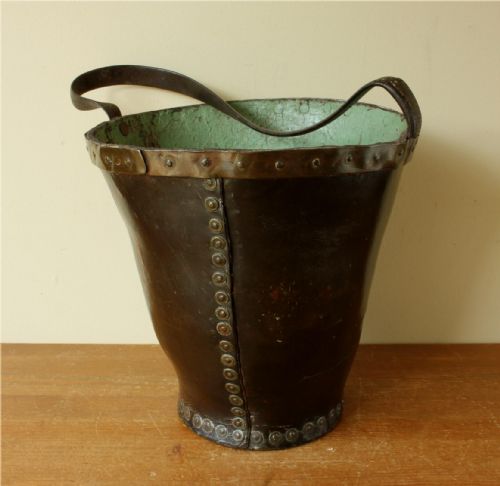
Leather buckets utilise boiled leather construction, shaped and hardened for durability. Artisans finished these vessels with copper or brass studs and applied pigments or coats of arms.
Several leather buckets proudly display lions and unicorns standing guard over heraldic coats of arms.
Markers of quality
Quality rests in the crispness of the iron casting and the precision of the metalwork assembly. Superior grates display refined classical motifs and balanced proportions rather than crude, heavy casting.
In leather work, quality shows in the tightness of the boiled leather form and the neatness of the studwork. Pieces retaining original heraldic pigment or clear armorial details command stronger interest.
The Georgian Fire Basket Glossary
- Hob grate
- A type of fireplace insert featuring raised platforms on either side of the central grate. These hobs allowed for boiling kettles and keeping food warm near the fire.
- Register grate
- A fireplace grate equipped with a movable flap or damper to control the draught. This mechanism regulated airflow up the chimney.
- Boiled leather
- Leather hardened by immersion in hot water or wax to create rigid vessels. It provided a durable, lightweight alternative to metal buckets.
- Andiron
- A horizontal metal support used to hold logs in an open fireplace. They often appear alongside fire baskets in hearth sets.
- Dummy board
- A flat, painted wooden figure cut out to resemble a person standing in a room. These decorative items sat near hearths or in empty doorways.
Georgian Fire Basket: Frequently Asked Questions
What is a georgian fire basket?
A georgian fire basket is a metal grate designed to hold coal or wood within an open hearth. These pieces often feature decorative cast iron backs and brass detailing.
They emerged during the eighteenth century and were built to fit standard domestic fireplaces of the period.
How were leather fire buckets used?
Leather fire buckets were kept filled with water near the hearth to deal with stray embers quickly. Their boiled leather construction made them sturdy yet light enough to pass along a line.
Servants also utilised them for general transport and storage tasks around the house.
What distinguishes an Adam style grate?
Adam style grates incorporate neoclassical motifs inspired by the designs of Robert and James Adam. You will notice urns, husks, and symmetrical classical geometry cast into the ironwork.
These pieces reflect the lighter, more refined aesthetic popular in late eighteenth century interiors.
How do I care for cast iron grates?
Cast iron requires minimal moisture and occasional light oiling to prevent surface rust from forming. Regular dusting keeps ash from building up in the decorative recesses of the metal.
Avoid harsh chemical cleaners that can strip the natural dark finish of the iron.