
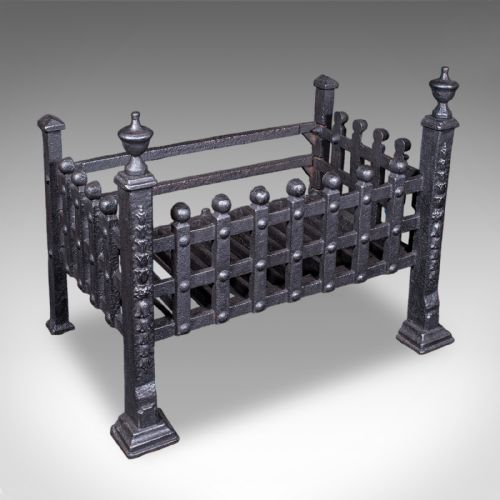


Period Fireplace Grate
A period fireplace grate brings genuine focal weight to a room, combining heavy metalwork with historic design.
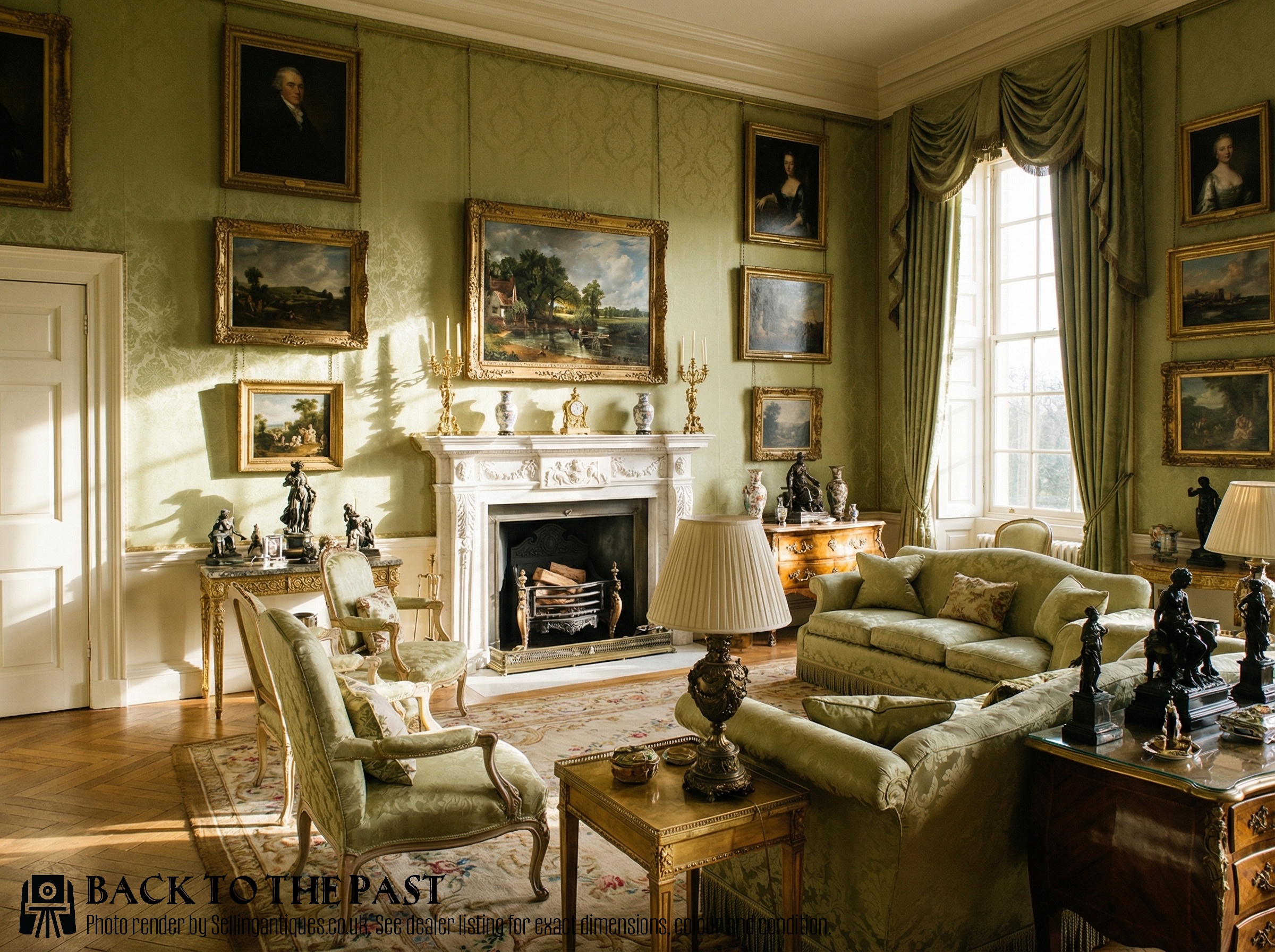
Period Fireplace Grate
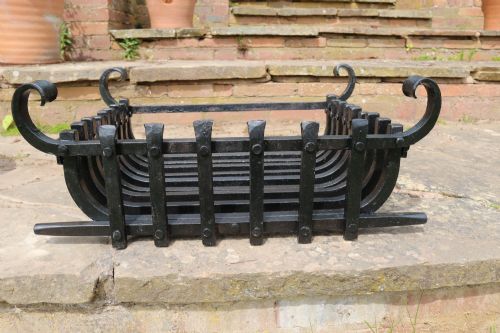
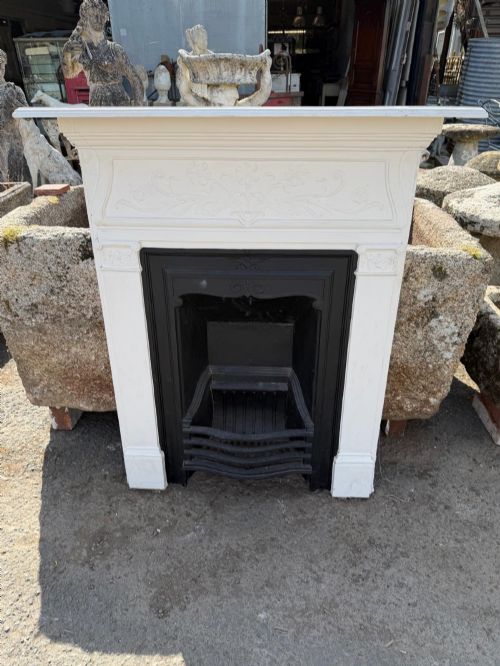
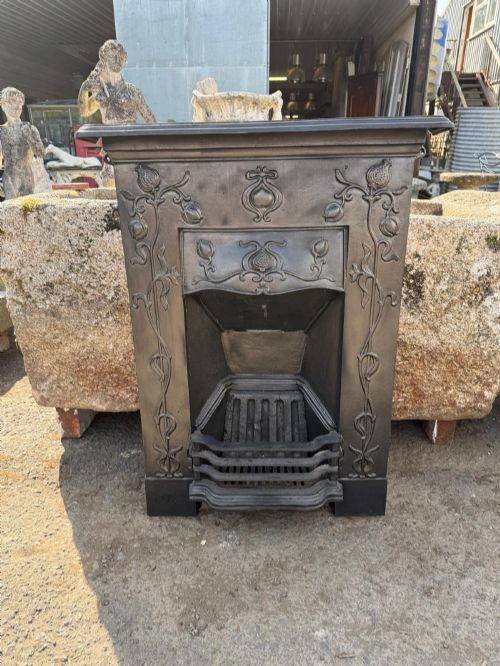
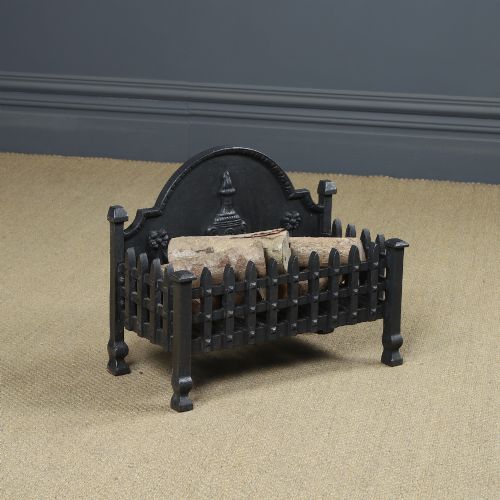
A period fireplace grate serves as the functional and visual centrepiece of a hearth, designed to hold burning fuel safely while framing the fire. When you search for period fireplace grate, you encounter forms ranging from simple iron baskets to elaborate combination fireplaces and register grates.
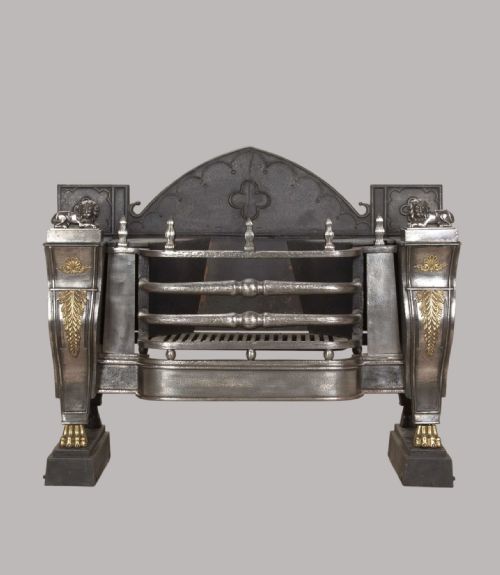
The pieces appearing on this page span Georgian, Regency, and Victorian eras, alongside later Arts and Crafts interpretations. You are most likely to meet cast and wrought iron baskets or hob grates originating from the nineteenth century.
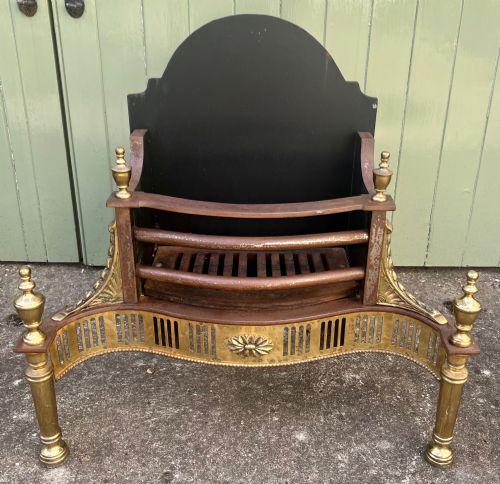
Makers and designers produced these items in various styles, including Adam and neoclassical revivals, integrating brass elements or firebrick linings. Each object reflects the domestic heating requirements and interior fashions of its specific decade.
Evaluating quality and execution
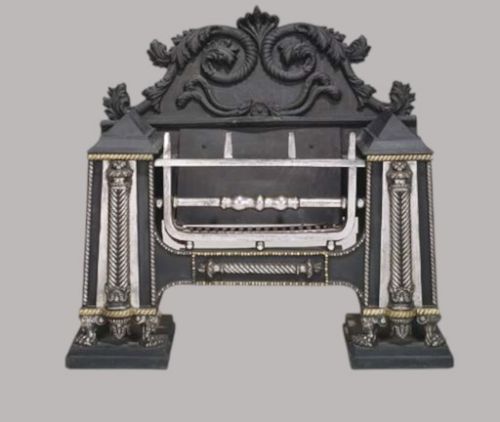
Superior examples display crisp casting detail in neoclassical motifs and robust gauge metal that resists thermal fatigue. Lesser pieces show simplified ornamentation and thinner sections prone to cracking under sustained heat.
The integration of mixed metals, such as contrasting brass detailing against blackened cast iron, distinguishes finer productions from utilitarian shop floor output.
Some grates doubled as kitchen appliances with integrated hobs for boiling morning tea.
The Period Fireplace Grate Glossary
- Hob grate
- A fireplace grate featuring raised flat platforms on either side for warming kettles or food. This form gained popularity during the Georgian period.
- Register grate
- A fireplace insert equipped with a movable flap or damper to regulate the draught and control the fire. It fits directly into the structural opening.
- Andirons
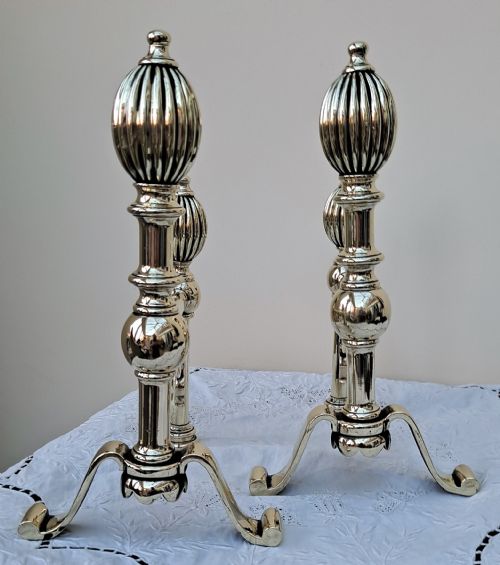
- Supporting metal fire dogs placed horizontally in the hearth to keep logs elevated for better airflow. They often accompany fire baskets.
- Fire back
- A heavy cast plate placed at the back of a fireplace to radiate heat into the room and protect the masonry. These frequently feature raised decorative reliefs.
- Combination fireplace
- A complete self-contained iron mantel and grate unit manufactured as a single ensemble. They dominated Victorian domestic architecture.
Period Fireplace Grate: Frequently Asked Questions
How do I date a grate?
Dating relies on stylistic clues, manufacturing techniques, and material combinations visible in the ironwork. Georgian pieces often display restrained classical lines, while Victorian examples lean towards heavier ornamentation.
Examining the construction methods, such as the transition from hand-wrought elements to machine casting, helps narrow down the period of manufacture.
Will a vintage grate fit my chimney?
Most period grates require professional assessment because fireplace dimensions and flue sizes varied widely across centuries. Standard modern openings rarely match nineteenth-century proportions without modification.
Consulting a specialist installer ensures the grate complies with safety regulations and fits the structural cavity correctly.
Can I burn real wood in them?
Many cast iron grates tolerate wood or coal fires, provided they include intact firebrick linings and sound metal bodies. However, thermal shock can crack brittle cast iron if fires are built too intensely.
Checking the internal condition for hairline fractures is essential before lighting any fuel.
What is the difference between a basket and a register grate?
A fire basket is an open metal container designed to sit within an existing hearth recess for holding fuel. It relies on the chimney for draught control without built-in dampers.
A register grate incorporates a complete frame and an adjustable flap mechanism to manage airflow directly above the fire.