
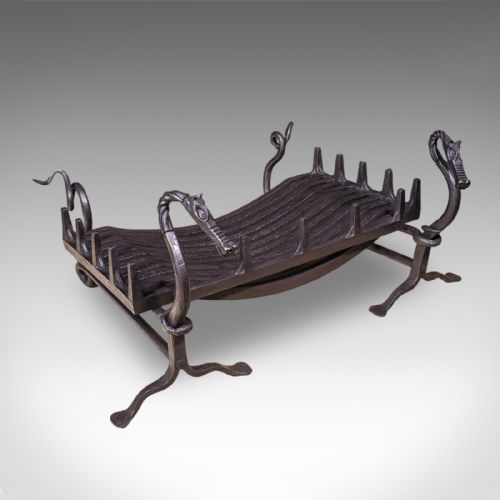


Traditional Iron Fire Grate
A traditional iron fire grate anchors the hearth with enduring metalwork designed to hold burning fuel securely within the chimney.
Traditional Iron Fire Grate
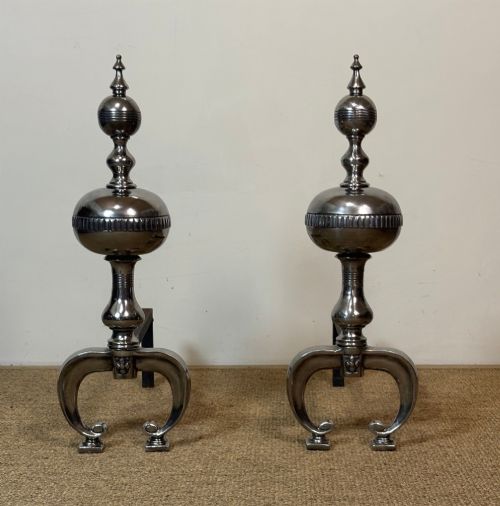
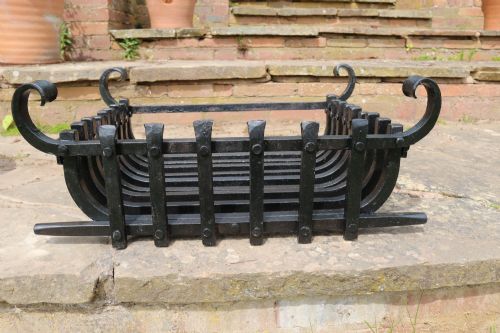
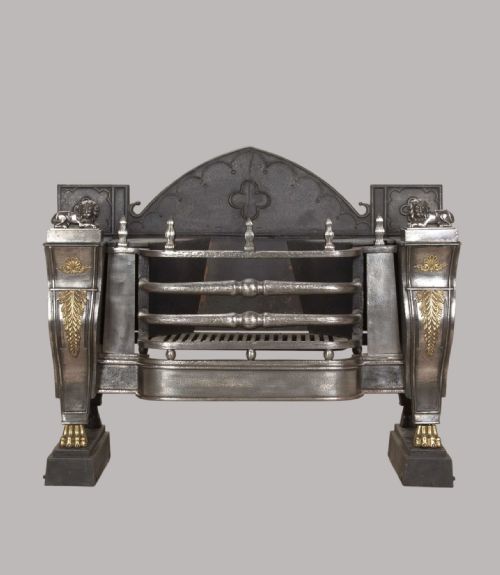
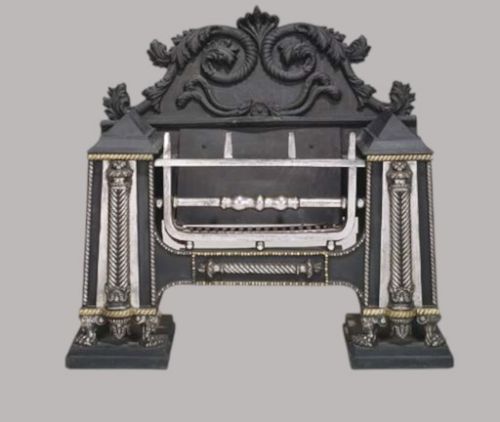
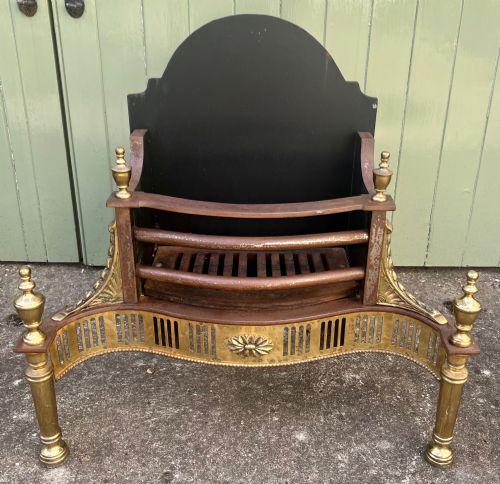
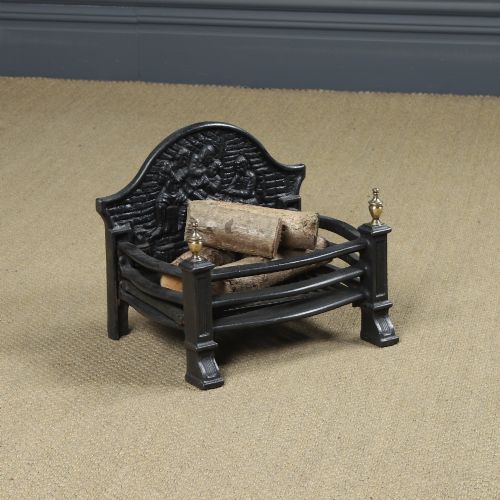
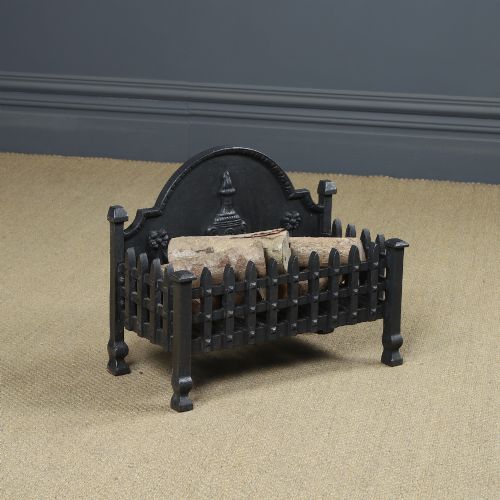
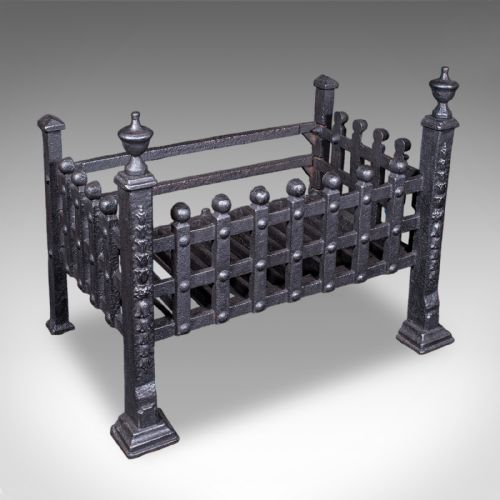
A traditional iron fire grate spans periods from the Georgian and Regency eras through the Victorian, Edwardian, and early twentieth century. You will encounter various forms on this page, including fire baskets, hob grates, register grates, and complete hearth sets featuring fire dogs and andirons.
Many examples incorporate fire backs, fenders, and open log baskets designed for domestic hearths. The selection ranges from small, simple grates of modest proportions to very heavy, large inglenook installations intended for substantial fireplaces.
Distinctions in craftsmanship
Quality rests in the substantial weight of the metal and the clarity of decorative casting. Superior pieces display refined classical design, careful hand-forging on wrought iron components, and integrated brass detailing that remains secure.
The distinction between standard utility grates and superior examples lies in the complexity of the styling, such as Adam or Neo-Gothic revival motifs, and the overall heft of the ironwork used in the basket and fire back.
Listings feature periods spanning the eighteenth century through the 1930s, incorporating cast iron, wrought iron, brass, steel, and firebrick.
The Traditional Iron Fire Grate Glossary
- Fire grate
- An iron frame or basket designed to hold burning fuel within a fireplace. It sits within the hearth to allow airflow underneath the fire.
- Andirons
- Supports placed on hearths to hold logs, often used alongside a fire basket. They are also known as fire dogs.
- Hob grate
- A fireplace grate featuring flat side plates or hobs for heating kettles or pans. These often date from the Georgian and Regency periods.
- Register grate
- A fireplace insert featuring a movable metal plate or flap to regulate the draught. This controls the flow of smoke and air up the chimney.
- Fire back
- A heavy iron plate placed at the back of an open hearth. It protects the brickwork and radiates heat back into the room.
Traditional Iron Fire Grate: Frequently Asked Questions
How do I choose the right size fire grate?
Measure the width, depth, and height of your fireplace opening carefully before selecting a grate. Consider whether you need a compact grate of small proportions or a heavy inglenook model.
Ensure adequate clearance around the basket for safety and proper airflow within the chimney structure.
What is the difference between a fire basket and an andiron set?
A fire basket is a self-contained metal container that holds the fuel off the hearth floor. An andiron set consists of two separate fire dogs that support logs or hold a basket between them.
Many period hearth sets combine both elements for stability and decorative completeness.
Can these grates burn real wood and coal?
Most traditional grates were built to burn wood logs or coal within an open fireplace. Check the interior for firebrick linings that protect the iron from intense heat.
Ensure your fireplace is properly swept and inspected before lighting any solid fuel fire.
How do I date a traditional iron fire grate?
Stylistic clues such as Regency classical lines, Victorian ornamentation, or Arts and Crafts medieval styling help indicate the period. Heavier cast iron components and specific maker designs also point towards nineteenth or early twentieth-century manufacture.
Examining the construction methods, from hand-forged wrought iron to machine-finished cast iron, provides further context.