


Victorian Cast Iron Grate
A victorian cast iron grate provides a solid hearth centrepiece, combining heavy metal construction with period decorative styles.
Victorian Cast Iron Grate
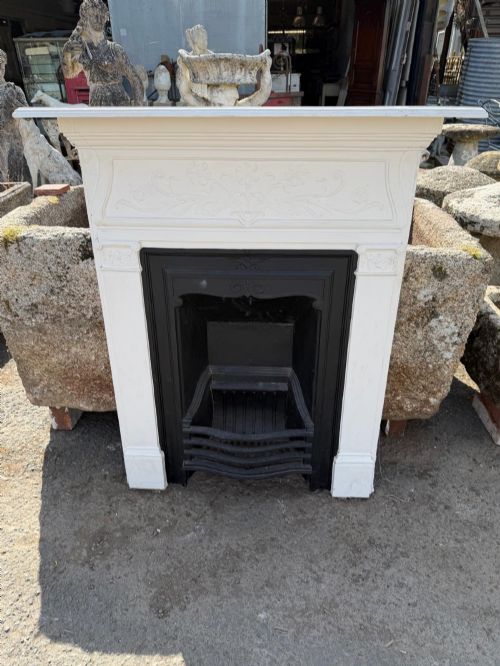
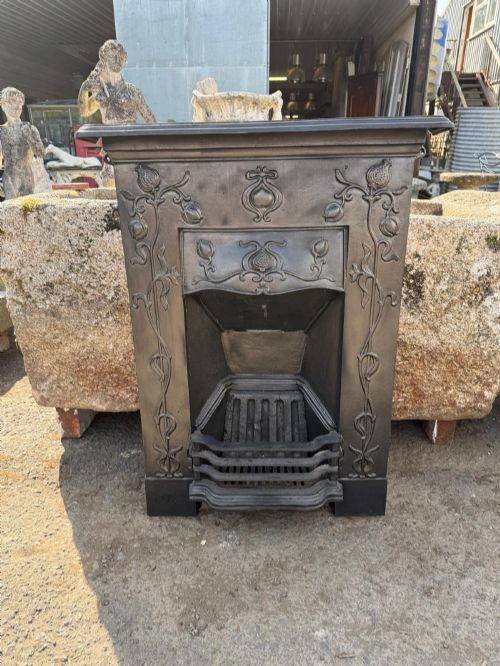
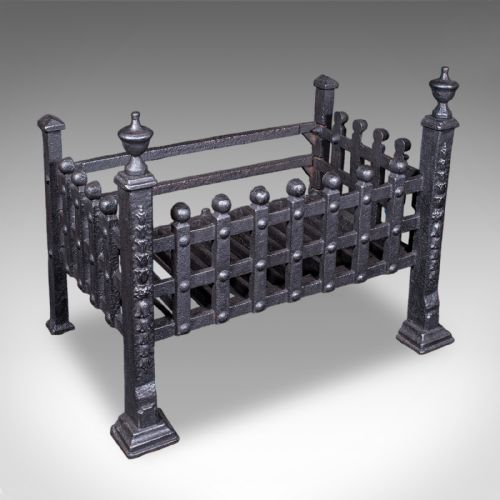
A victorian cast iron grate comprises various hearth fixtures, ranging from combination fireplaces and register grates to freestanding fire baskets paired with andirons. These heavy iron units served to burn coal or wood within nineteenth century domestic settings.
The versions most commonly met include fire baskets supported by andirons and complete combination fireplace inserts made of cast iron, sometimes accented with brass finials or timber surrounds.
Materials and Technique
Foundries utilised cast iron and wrought iron to build these durable hearth components, often integrating brass details such as finials and decorative mounts into the design. Firebrick linings were included to withstand high temperatures during continuous use.
Makers employed skilled casting techniques to produce intricate surface patterns, seen in Gothic Revival, Neoclassical, and Aesthetic Movement styles across the metalwork.
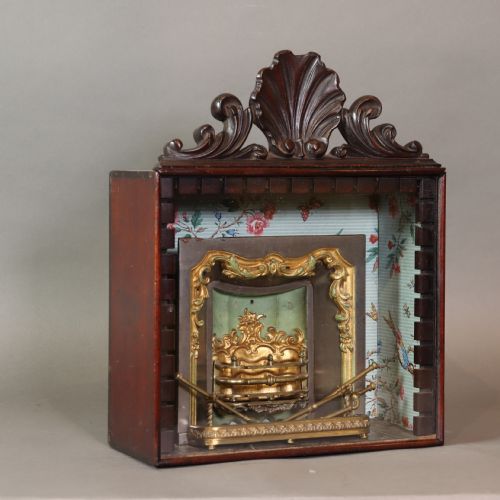
Salesmen once carried miniature brass and iron fire places to show clients full sized foundry designs without hauling heavy iron across the countryside.
Design and Proportion
The distinction between standard pieces and superior examples lies in the crispness of the cast ornamentation and the integration of secondary materials like brass. Substantial weight and solid construction indicate higher grade foundry work from period makers.
Design complexity also separates pieces, with elaborate Gothic or Neoclassical motifs demonstrating greater craftsmanship than plain utilitarian grates.
Coalbrookdale
The Victorian Cast Iron Grate Glossary
- Register grate
- A fireplace grate equipped with a flap or register plate to control the draught up the chimney. This mechanism allowed homeowners to regulate the intensity of the fire.
- Andirons
- Horizontal metal bars supported by vertical legs, also known as fire dogs, used to hold logs above the hearth floor. They frequently accompany freestanding fire baskets.
- Combination fireplace
- A single cast iron unit incorporating the mantel, surround, and grate into one piece. These were widely installed in Victorian bedrooms and parlours.
- Fire back
- A heavy cast iron plate placed at the back of an open hearth to protect the wall and reflect heat into the room. They often feature relief designs.
- Fire basket
- An open metal container designed specifically to hold coal or wood off the hearth base. These baskets sit either on independent stands or between andirons.
Victorian Cast Iron Grate: Frequently Asked Questions
How do I install a cast iron grate?
Most freestanding fire baskets simply require placement within an existing open hearth between appropriate andirons. Combination fireplaces need professional fitting into a prepared chimney opening.
Ensure the hearth can support the substantial weight of the iron before positioning any unit.
Can I burn real wood in these grates?
Many of these pieces accommodate wood logs or coal, depending on whether they are configured as open fire baskets or register grates. Check the internal depth and presence of a firebrick lining.
Lighter bedroom grates suit smaller fuel loads compared to heavy inglenook models.
How do I clean and maintain cast iron?
Routine maintenance involves brushing away ash and applying a suitable grate polish or black lead to protect the metal surface from rust. Avoid using harsh liquid cleaners that strip the finish.
Keeping the iron dry prevents corrosion in unused chimneys during damp months.
How do I identify the period of a grate?
Stylistic clues such as Gothic Revival arches, Neoclassical symmetry, or Aesthetic Movement motifs help date these items alongside foundry marks. The presence of brass finials and specific casting techniques further indicate nineteenth century origins.
Compare the construction heft and decorative details with documented pieces from the same era.