


Victorian Fireplace Insert
These Victorian fireplace insert options bring period hearth architecture into rooms, offering cast iron and brass design.

Victorian Fireplace Insert
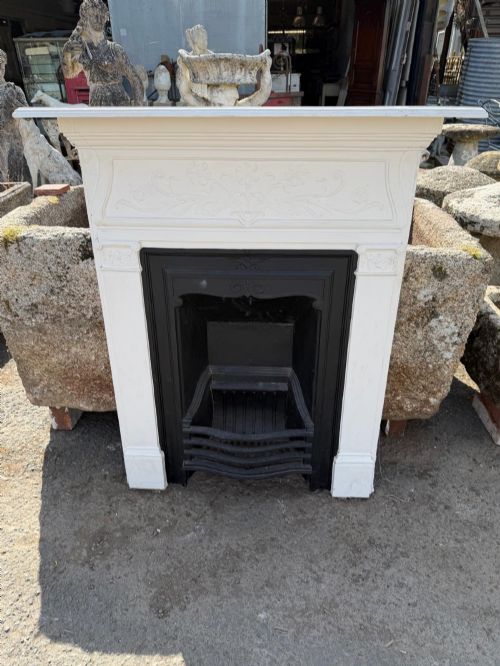
A Victorian fireplace insert is a hearth focal point encountered in combinations, grates, and fire fronts dating from the nineteenth century. Buyers searching for a victorian fireplace insert find cast iron combination units, register grates, and copper or brass hoods.
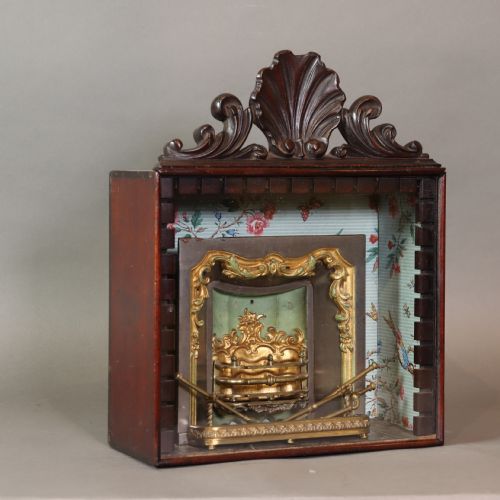
The material record includes cast iron, brass, copper, and timber, spanning periods from eighteen-fifty to nineteen-twenty. Forms range from full combination fireplaces to miniatures, hearth sets, and peat buckets.
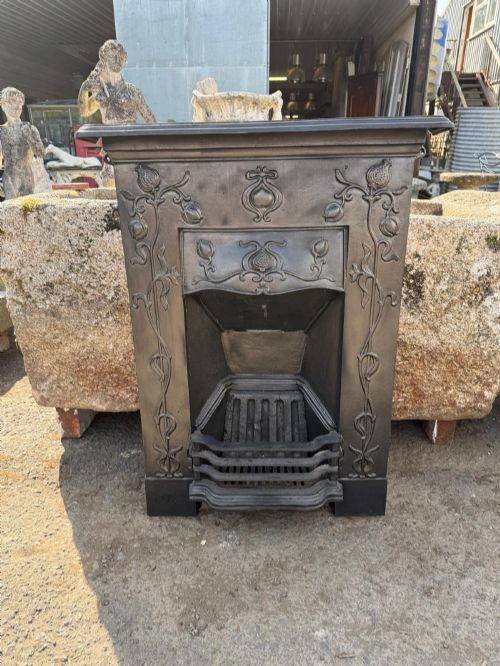
Neoclassical and Arts and Crafts styles appear alongside standard Victorian designs. These pieces define period rooms with metalwork ranging from small grates to large firegrates.
Materials and construction
Foundries utilised cast iron for structural grates and combination surrounds, employing moulding techniques suited to heavy metal. Iron provides the durable core for register grates and fire baskets.
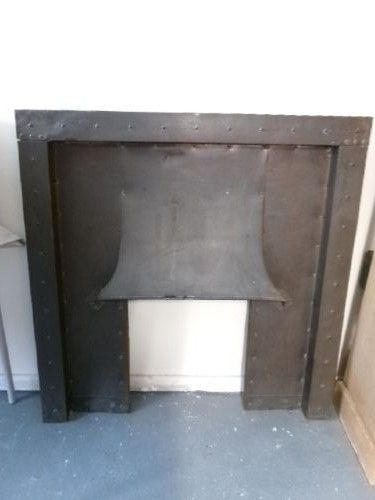
Decorative elements incorporate brass, copper, and ormolu for hoods, canopies, and fire fronts. Embossed copper and brass contrast against dark iron surfaces.
Auxiliary pieces integrate timber, walnut, and paper materials into hearth accessories like peat buckets and miniature salesman samples.
The listings show cast iron as the predominant material, accompanied by brass, copper, and timber across Victorian and Arts and Crafts styles.
Assessing quality and design
Quality separates standard utilitarian grates from refined decorative pieces by the crispness of the cast iron moulding and the elaboration of the design. Ormolu mounts and detailed brass work elevate domestic ironmongery to fine metalwork.
Stylistic coherence distinguishes mass production from considered design, particularly in Neoclassical and Arts and Crafts examples. The integration of contrasting metals like copper and brass reveals the maker's skill.
Coalbrookdale
The Victorian Fireplace Insert Glossary
- Register grate
- A cast iron fireplace insert featuring a flap or door to regulate the draught up the chimney. This mechanism controls airflow and smoke emission.
- Combination fireplace
- An all-in-one mantel, surround, and grate manufactured as a single unit. These units were popular in Victorian domestic architecture.
- Fire basket
- An open metal basket designed to hold coal or wood within the hearth. It sits inside the fireplace insert structure.
- Ormolu
- Gilt bronze or brass applied to decorative metalwork. It provides a bright golden accent on dark iron inserts.
- Peat bucket
- A container used for storing fuel by the fireside. Some examples double as tea stoves.
Victorian Fireplace Insert: Frequently Asked Questions
What is a combination fireplace?
A combination fireplace integrates the mantel, surround, and grate into one manufactured piece of cast iron.
This design was widely utilised in Victorian homes to standardise hearth installation.
How do I date an insert?
Dating relies on stylistic clues such as Neoclassical or Arts and Crafts motifs combined with material use.
Nineteenth-century pieces often display foundry marks or specific casting techniques characteristic of the period.
Are all inserts made of iron?
While cast iron forms the primary structure for grates and combination units, other materials appear frequently.
Brass, copper, and ormolu provide decorative contrast for hoods, canopies, and fire fronts.
What is a register grate?
A register grate is a specific type of fireplace insert equipped with a movable plate to control chimney airflow.
This functional element distinguishes them from open fire baskets.