
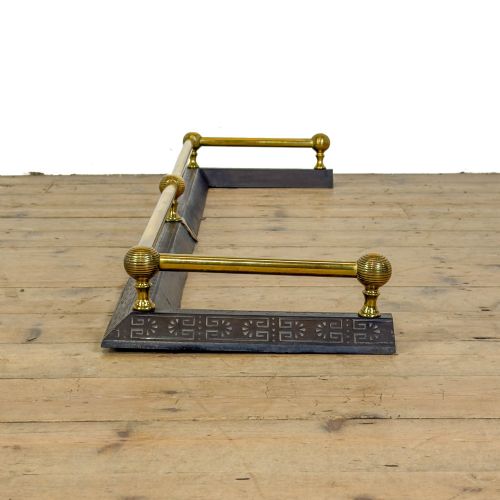
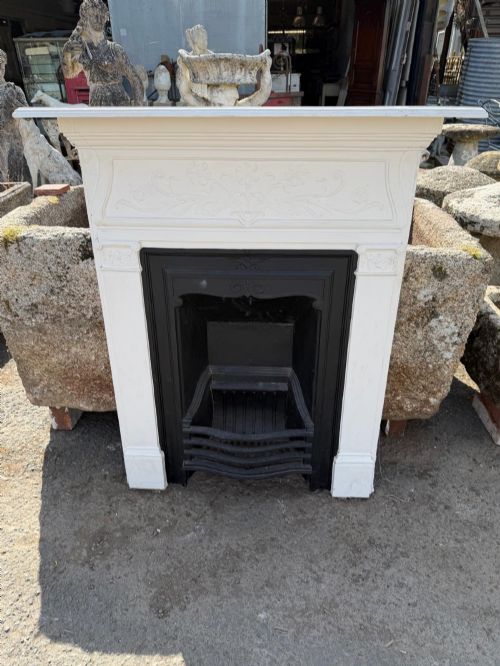
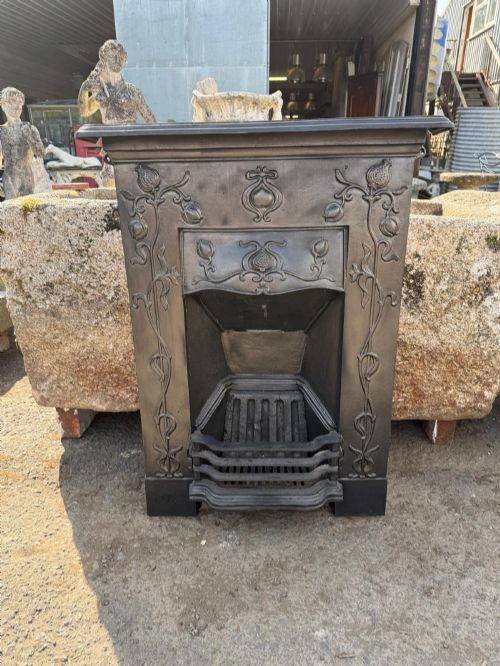
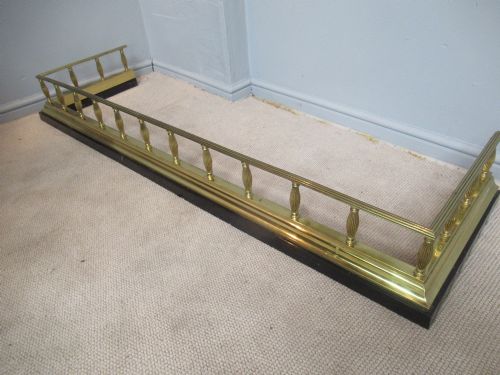

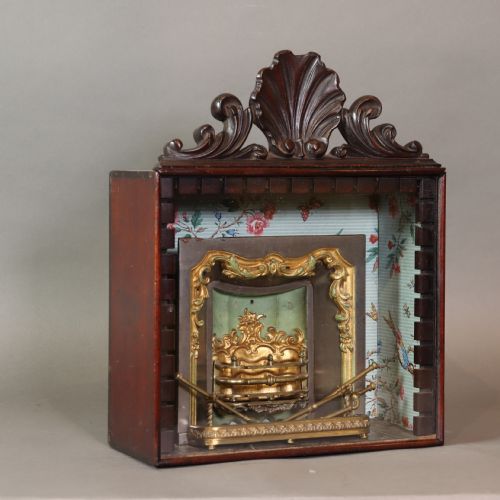


Antique Iron Fireplace Surround
An antique iron fireplace surround anchors a room with weight and history, offering warmth and structure to a historic hearth.
Materials and Techniques
Cast iron and steel provide the structural backbone for these pieces, shaped through industrial casting and hand-forging techniques common in the nineteenth century. Foundries utilised moulds to produce intricate decorative patterns on grates and combination fireplaces.
Makers integrated brass, bronze, copper, and wrought iron for decorative mounts, finials, and gallery rails, often combining them with leather or timber on club fenders. Surface finishes ranged from polished steel and parcel gilding to ebonised and marbled treatments on slate and iron.
Distinctions in Quality
The refinement of the casting and the crispness of the chased or moulded detail separate standard utilitarian ironwork from finer decorative examples. Superior pieces display deep, well-defined relief work on cast iron panels and substantial gauge metal in steel and brass components.
The choice of secondary materials, such as heavy tan leather upholstery, solid oak or mahogany top rails, and hand-selected brass mounts, elevates the execution of club fenders and hearth furniture. Structural integrity, particularly in adjustable frames and joined mesh screens, reflects the initial skill of the maker.
Salesmen carried miniature brass and iron fireplaces from house to house in leather cases to demonstrate full-scale Victorian hearth designs.
Coalbrookdale
The Antique Iron Fireplace Surround Glossary
- Combination fireplace
- A complete iron fireplace unit where the mantel, surround, and grate are manufactured as a single integrated piece. These became common in Victorian parlours for efficient coal burning.
- Club fender
- A low fireside seat with upholstered top rails, typically covered in leather, supported by a metal frame of brass, steel, or iron. They allowed people to sit close to the hearth.
- Nursery fender
- A protective metal mesh guard or barrier placed around an open fire to keep children and stray embers safely contained. They often feature simple wire construction framed in iron.
- Chenet
- The French term for an andiron, used to support logs in an open hearth, frequently paired with decorative fire grates. They often incorporate cast bronze or parcel gilt ornamentation.
- Fender
- A low metal kerb placed on the floor around the hearth to contain ash and rolling embers. They appear in brass, iron, steel, and combinations with timber or leather.
Antique Iron Fireplace Surround: Frequently Asked Questions
What is a club fender?
A club fender is a low, upholstered seat built around the perimeter of a fireplace hearth. The metal frame supports a leather or fabric cushion where people sat close to the fire.
They originated in gentlemen's clubs and country houses during the nineteenth century. The design keeps warmth nearby while protecting occupants from stray sparks.
How do I date an iron fireplace surround?
Dating relies on stylistic clues, manufacturing techniques, and the combination of materials used in the piece. Georgian examples often show simpler, neoclassical lines, while Victorian pieces incorporate heavier cast iron ornamentation and varied metal pairings.
Industrial stamps, registration marks, and maker names stamped into the iron provide precise chronological markers. Examining the assembly methods, such as hand-forging versus machine casting, further clarifies the period.
Are these pieces suitable for active fires?
Many cast iron inserts, grates, and fenders were built specifically for burning coal, wood, or gas in period hearths. Their resilience depends on the condition of the metal and any previous repairs.
Some miniature or decorative salesman samples are strictly ornamental rather than functional. Consultation with a specialist ensures safe installation and usage in a modern chimney.
How should I clean antique cast iron?
Maintenance involves removing dust and light soot with a soft brush and dry cloth without harsh chemical solvents. Traditional methods often utilise specialised grate polish or black lead to protect the iron surface.
Avoid using water on unsealed iron to prevent rust formation. Preserving the original patina remains a priority for retaining historical character.