

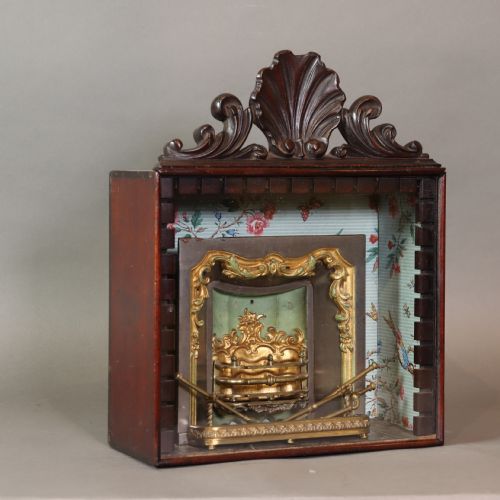


Antique Iron Fire Surround
An antique iron fire surround anchors a room with industrial weight and period character, offering a focal point that modern hearths simply cannot replicate.
Antique Iron Fire Surround
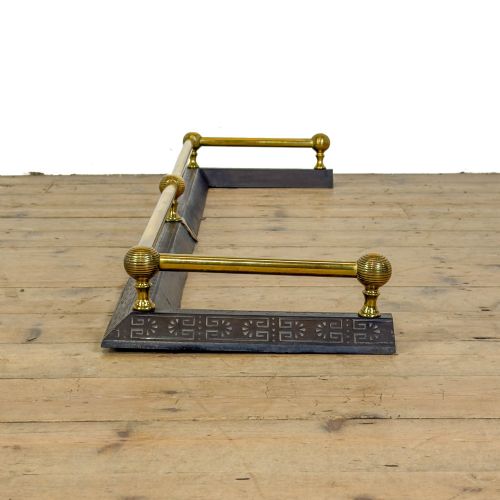
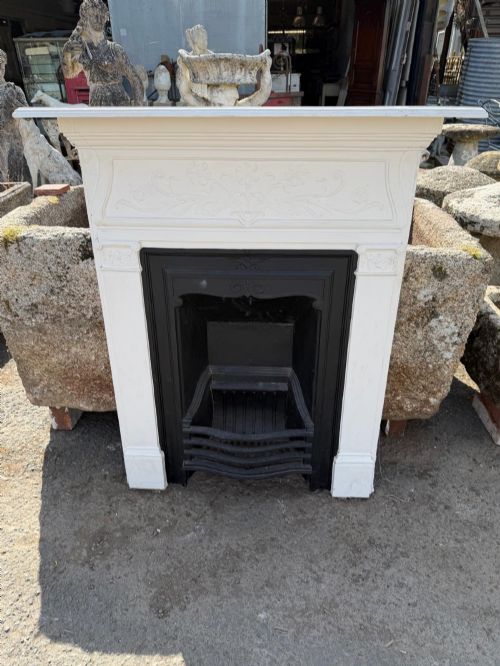
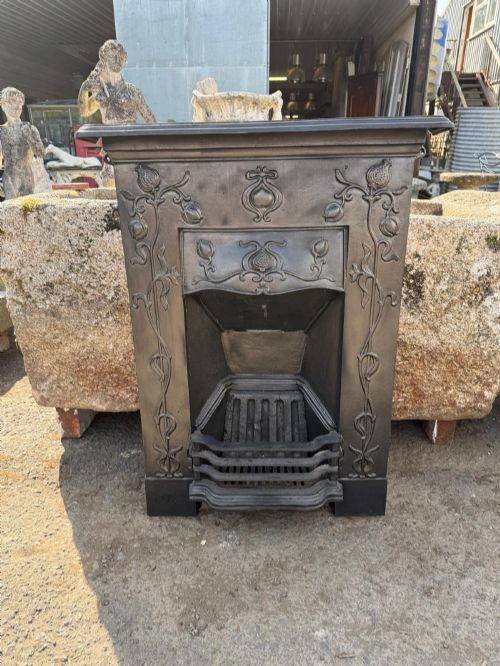
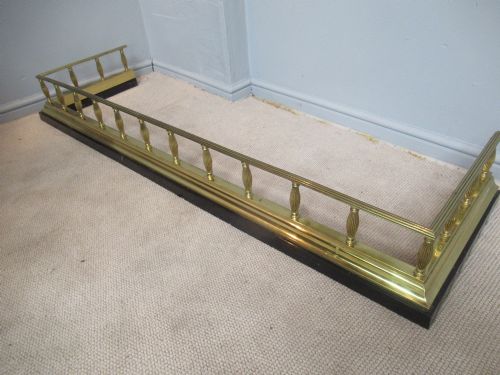
An antique iron fire surround brings substantial architectural presence to a chimney breast, spanning eras from the robust Georgian period through the ornate Victorian epoch and into the restrained Edwardian style. Buyers seeking an antique iron fire surround often encounter combination grates, cast iron mantelpieces, and associated hearth furniture such as fenders and kerbs.
The material vocabulary recorded in these pieces extends beyond plain metal to incorporate brass, steel, wrought iron, bronze, and occasional timber or leather elements. Surviving examples range from simple domestic grates to elaborate French Rococo and Arts & Crafts designs, capturing the domestic engineering of the nineteenth century.
Materials and construction
Foundry work dominates these pieces, utilising cast iron for structural mass and intricate surface relief alongside wrought iron and steel for linear strength. Makers employed secondary details in brass, bronze, and copper to create tonal contrast against the dark body of the metal.
Assembly often combined heavy bolt construction with decorative applied mounts, parcel gilding, or patinated finishes. Some specialised items integrate upholstered leather or mahogany seats into club fenders, demonstrating the intersection of metalworking and cabinetmaking.
Materials recorded across the inventory include cast iron, wrought iron, steel, brass, bronze, copper, leather, and timber.
Markers of distinction
Quality in these surrounds rests upon the crispness of the casting and the ambition of the design, distinguishing standard mass-produced grates from bespoke foundry commissions. Finer pieces display sharply rendered ornament, clean joints, and integrated subsidiary elements like matched fire irons or chenets.
The integrity of the metal surface and the survival of original patination or parcel gilding determine the visual authority of the piece. Lesser examples suffer from heavy corrosion or clumsy repairs that obscure the original proportions and the skill of the ironfounder.
Coalbrookdale·Thomas Elsley·Liberty London
The Antique Iron Fire Surround Glossary
- Cast iron
- Iron melted and poured into a mould to create rigid architectural components with detailed relief ornament. This material forms the primary structure of many nineteenth-century hearth surrounds and grates.
- Club fender
- A low, U-shaped hearth guard featuring upholstered top rails designed for seating by the fire. Nineteenth-century variants frequently combine steel frames with leather or mahogany tops.
- Chenet
- A French term for an andiron used to support logs within an open hearth. These metal supports often feature decorative cast or parcel-gilt bronze mounts.
- Combination fireplace
- A single-unit insert comprising both the grate and the surrounding mantelpiece cast as one piece. They became common in Victorian domestic interiors for efficient space heating.
- Nursery fender
- A tall protective wire mesh or iron barrier placed around a hearth to keep children and stray embers safely separated. Edwardian and nineteenth-century examples prioritise tall safety guards over decorative seating.
Antique Iron Fire Surround: Frequently Asked Questions
How do I choose the right size?
Measure the opening of your chimney breast and the height of the surrounding wall space before selecting an iron surround or insert. Ensure the internal dimensions align with your flue and grate requirements.
Consider the projection of the fender or hearth kerb into the room to maintain comfortable clearance around the fireplace.
Can these surrounds be used with modern fires?
Many antique iron surrounds and inserts accommodate modern gas or electric fire units with appropriate professional adaptation. Consult a specialist installer to check flue compatibility and heat tolerances.
Original grates may require restoration or lining before burning solid fuel safely in a domestic setting.
How do I clean cast iron?
Remove surface dust using a soft brush and apply a microcrystalline wax or specialist grate polish to protect the metal from moisture. Avoid harsh chemical cleaners that strip the historic patination.
Buff gently with a dry cloth to maintain a deep, natural sheen without creating an artificial gloss.
What is the difference between a fender and a surround?
A surround frames the vertical opening of the fireplace against the wall, whereas a fender sits horizontally on the floor to contain ash and embers. Both elements frequently appear together in nineteenth-century domestic interiors.
Fenders range from simple iron kerbs to upholstered club styles, while surrounds provide the primary architectural mantel.