

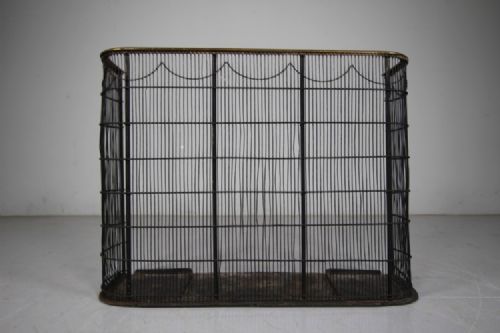


Antique Iron Fender
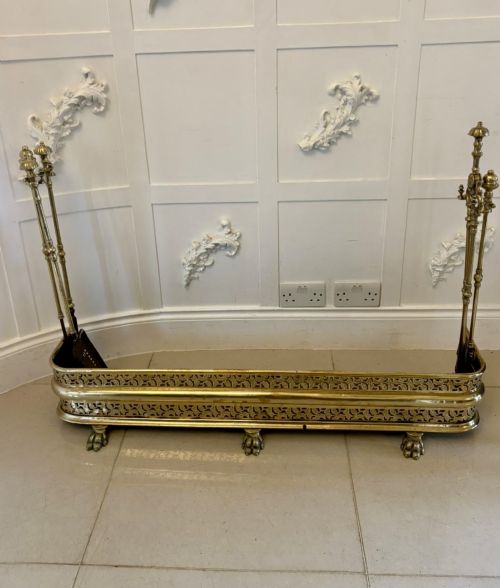
An antique iron fender anchors the hearth, protecting the room from stray embers while framing the fireplace with period character.
Antique Iron Fender
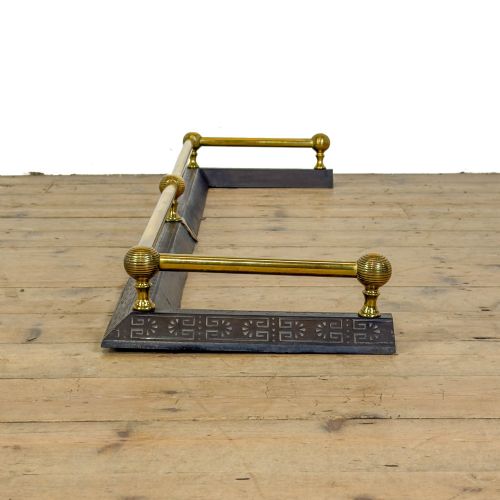
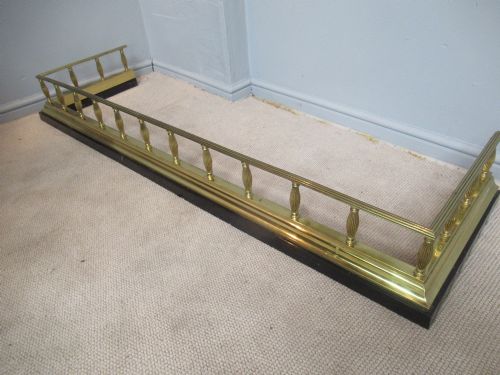
An antique iron fender takes several distinct forms across the periods, ranging from low hearth curbs to large nursery guards and padded seating designs. The selection draws primarily from the nineteenth century, including Victorian, Georgian, and Regency eras.
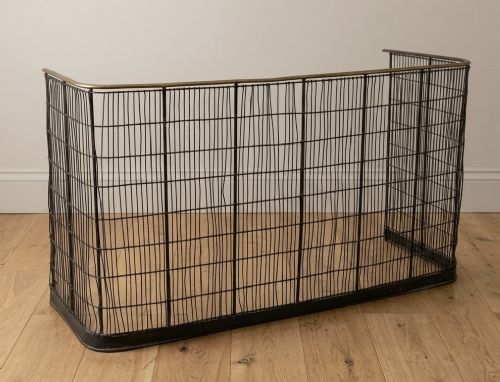
Plain iron kerbs sit directly on the floor around the hearth, sometimes paired with brass or steel mounts and fire irons. More substantial examples incorporate wire mesh screens or leather-upholstered seats known as club fenders.
Materials and construction
Heavy casting techniques created solid fire kerbs and decorative grates, while skilled metalwork shaped the woven wire of nursery guards and the extending frames of larger hearth accessories.
Listings feature iron combined with brass, steel, leather, and wire mesh across Victorian, Georgian, and Regency periods.
Craftsmanship and proportion
Superior examples show crisper definition in cast iron ornamentation and heavier gauge metal in the main frames. Finer club fenders display carefully stitched leather seating and robust internal structures that support weight evenly.
The integration of mixed metals, such as polished brass rails atop blackened iron bases, distinguishes finer domestic hearth furniture from utility workshop pieces.
The Antique Iron Fender Glossary
- Club fender
- A low hearth guard featuring an upholstered top designed for seating around the fireplace. These typically combine iron frames with leather cushions.
- Nursery fender
- A tall protective screen constructed from wire mesh and iron framework. It kept young children safely away from open flames.
- Kerb fender
- A low barrier defining the outer edge of the hearth. It prevents hot coals from rolling onto the floorboards.
- Andiron
- A horizontal support for logs used in an open fireplace. They frequently accompany matching fenders and fire irons.
- Fire guard
- A protective barrier placed before the hearth. Wire mesh versions allowed heat to enter the room while containing sparks.
Antique Iron Fender: Frequently Asked Questions
How do I choose the right size fender?
Measure the width and depth of your fireplace hearth carefully before selecting an antique iron fender. Leave adequate clearance for fire irons and ensure the proportions match the opening.
Consider whether you need a simple low kerb or a wider club fender with seats. The surrounding floor space dictates which style sits comfortably in the room.
What is a club fender used for?
A club fender provides a low padded seat around the perimeter of the fireplace. Victorians and Edwardians utilised these in libraries and living rooms to warm guests close to the fire.
The upholstered top sits upon a sturdy iron or steel frame, combining practical hearth protection with extra seating.
How do I clean an iron fender?
Dust the iron surface gently with a dry cloth to remove loose debris. Avoid harsh chemical cleaners that might strip the historic finish or damage adjacent brass and leather elements.
Apply a light microcrystalline wax to cast and wrought iron surfaces to protect the metal from moisture. Leather seats require appropriate saddle soap or specialised leather conditioner.
Are nursery fenders safe for modern homes?
Antique nursery fenders offer a physical barrier around open hearths, though modern safety standards for child protection differ from nineteenth-century designs. Check the stability of the wire mesh and frame before use.
Ensure the structure stands securely on level flooring. Many owners utilise them for decorative display rather than active child safety today.
How do I date an iron fender?
Examine the materials, construction methods, and stylistic cues to determine the period of an iron fender. Georgian examples often display restrained lines, while Victorian pieces incorporate heavier cast iron and brass combinations.
Edwardian and later iterations sometimes introduce simpler Arts and Crafts or early twentieth-century designs. Patina on the iron and wear on leather upholstery provide further clues to age.