




Antique Nursery Fender
An antique nursery fender protects young children from hearth sparks, combining practical safety with the steady craftsmanship of the nineteenth and early twentieth centuries.
Antique Nursery Fender
When you search for an antique nursery fender, you are looking at sturdy protective enclosures built around hearths during the nineteenth and early twentieth centuries. These pieces were designed primarily to keep small children and flowing dresses safely away from open flames while still allowing warmth to circulate.
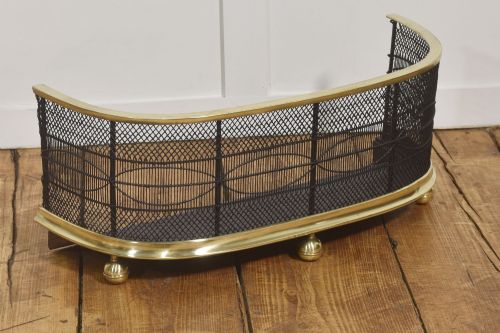
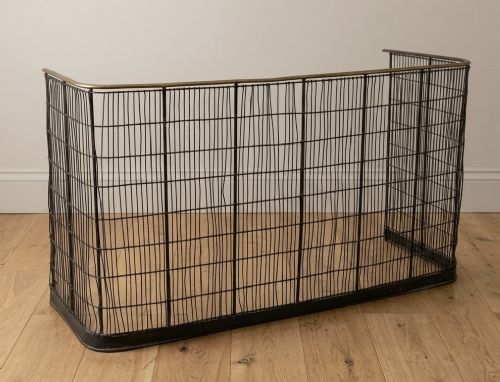
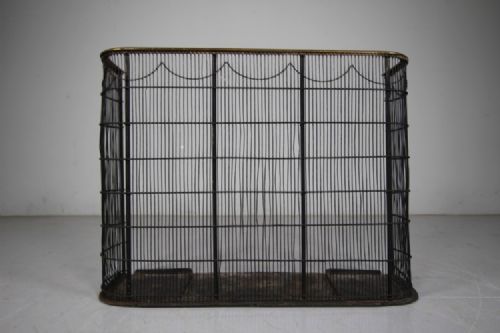
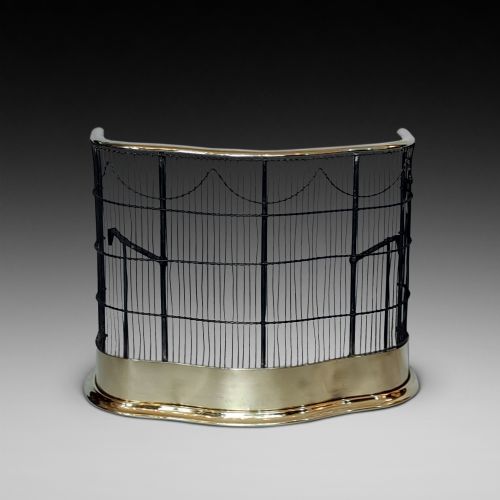
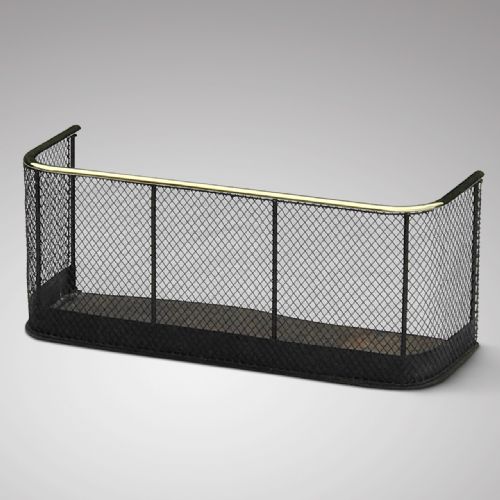
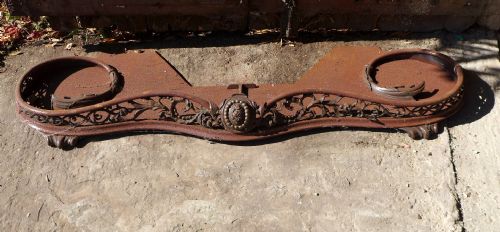
On this page, you will most commonly encounter domestic fire guards constructed from wire mesh combined with metal frames. Examples span various periods including the Regency, Victorian, and Edwardian eras, taking forms from simple rectangular shapes to bowed and serpentine guards.
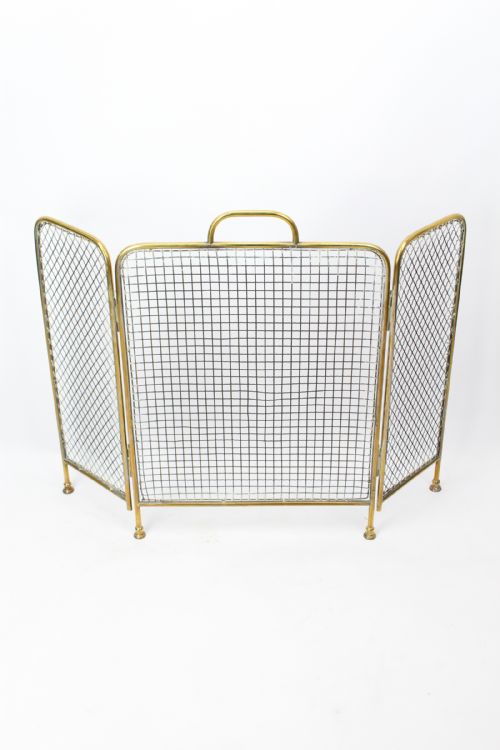
Many of these guards incorporate practical additions such as polished brass top rails or integrated clothes rails. The materials range from woven iron wire and wrought iron to steel and brass, reflecting both utilitarian function and period interior taste.
How they were made
Maker workshops built these guards using structural metals like iron, steel, and wrought iron for the main frames to ensure stability around hot fireplaces. These sturdy skeletons were then fitted with woven iron wire or fine wire mesh to catch sparks effectively.
Decorative and functional detailing relied heavily on brass, which appeared as heavy top rails, protective rims, or complete framing around mesh panels. Folding mechanisms and clothes rails were engineered using robust metal hinges and joints designed to withstand daily household use.
Some nineteenth-century guards doubled as indoor clothes dryers, meaning generations of damp socks once hung directly above the nursery fire.
What varies in quality
Quality in a nursery fender often shows in the weight and gauge of the metal used for the frame and mesh. Heavier gauge wire mesh and solid brass top rails indicate sturdier construction that has survived decades of hearthside service.
Refinement of shape also separates standard utility guards from more considered pieces, such as those featuring serpentine or bowed fronts rather than straight flat panels. The neatness of wire weaving and the solidity of joint construction further distinguish better examples.
The Antique Nursery Fender Glossary
- Nursery fender
- A tall protective guard placed around a fireplace to keep children at a safe distance from open flames and hot coals. These pieces typically combine a metal frame with wire mesh.
- Wire mesh
- A woven metal fabric used across the front and sides of fire guards to allow heat to pass through while stopping stray sparks. This material forms the primary barrier on most examples.
- Serpentine
- A gently curving outline shaped in a double-curve like a lazy 'S', often seen along the front edge of refined hearth guards. This contour softens the rigid appearance of the metal structure.
- Clothes rail
- A horizontal bar incorporated into the top section of certain nursery guards, originally intended for warming garments or drying small items by the fire. It adds a distinct functional tier above the main mesh screen.
- Top rail
- A heavy horizontal framing member, frequently cast in brass, running along the upper edge of the guard. It provides a clean finished appearance and a secure handhold.
Antique Nursery Fender: Frequently Asked Questions
What is a nursery fender used for?
A nursery fender serves as a physical barrier around an open fireplace to prevent children from getting too close to hot embers and flames. They were essential household safety items in period homes.
Beyond safety, many designs included upper rails used for airing laundry or warming garments near the hearth fire.
How do I date an antique fire guard?
Dating relies on observing the prevailing styles, materials, and construction techniques associated with periods like the Regency, Victorian, and Edwardian eras. Simpler iron frames often align with nineteenth-century utility, while specific brass mouldings reflect later tastes.
Examining the type of wire mesh and fastening methods also helps place the piece within its historical manufacturing window.
Can I use these guards with a modern fireplace?
These guards function just as effectively around modern hearths to contain sparks and provide a traditional decorative boundary. Measuring your hearth space carefully ensures the guard fits the floor area securely.
Their physical dimensions and stable iron or brass bases make them practical additions to contemporary living spaces utilising open fires.
What materials are these fenders made from?
Construction materials primarily include iron, steel, and wrought iron for the foundational frames that bear weight and endure heat. Woven wire mesh forms the protective screen panels across the front and sides.
Brass frequently appears as polished top rails, decorative rims, or complete structural framing to add a brighter finish.