







Wrought Iron Fire Fender
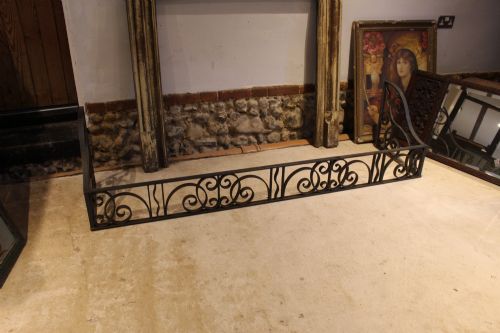
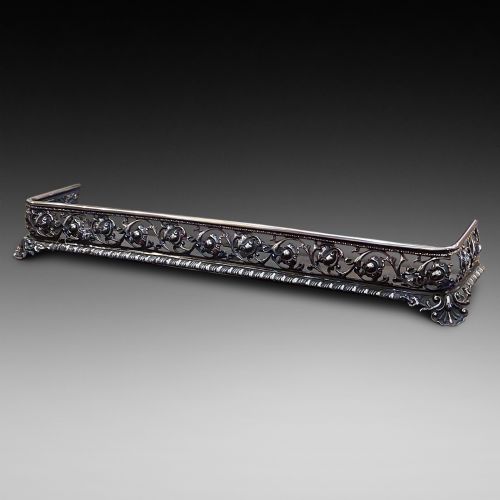
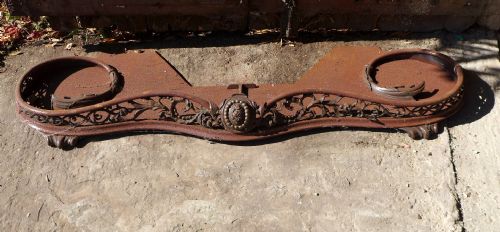
A wrought iron fire fender frames the hearth to keep stray embers at bay while anchoring the room with solid metalwork.
Wrought Iron Fire Fender
A wrought iron fire fender sits directly on the floor in front of an open fireplace to contain fuel and sparks. The selection here brings together robust hearth guards and nursery pieces designed for domestic safety.
Buyers will encounter several distinct variations within this group, including simple wirework fire guards and substantial club fenders featuring upholstered seating tops. These objects date across the nineteenth and early twentieth centuries, spanning the Regency, Victorian, and Edwardian periods.
Most examples rely on a combination of iron, steel, and wire mesh to create low protective barriers around the hearth. Some pieces incorporate additional materials such as brass, leather, mahogany, and oak to provide integrated seating or rails.
How they were made
Makers shaped iron and steel bars through traditional blacksmithing techniques, hammering the metal while hot to achieve rigid structural frames. Wire mesh and wirework were then woven or secured within the metal boundaries to form fine protective screens.
Upholstered club fenders required both metalwork and cabinet-making skills, combining wooden top rails or mahogany frames with padded leather seating. These multi-material constructions demanded precise joinery to unite the cold metal base with comfortable seating elements.
Wrought Iron Fire Fender Retail Price Guide 2026
Typical asking prices for wrought iron fire fender among the pieces listed under this phrase on Sellingantiques today, from the lower quarter to the upper quarter. They describe what is for sale here now, not the wider market.
The listings span the nineteenth century into the Edwardian era, featuring iron, steel, brass, wire mesh, leather, mahogany, and oak.
What varies in quality
The standard of a fire fender depends on the intricacy of the metalwork and the weight of the materials employed. Heavier gauge steel and dense wire mesh indicate a more substantial construction built for daily domestic use.
The integration of secondary materials also dictates the calibre of the piece, particularly where fine timbers like mahogany or oak and quality leather upholstery are present. Well-executed joinery and balanced proportions separate utilitarian hearth guards from refined club fenders.
The Wrought Iron Fire Fender Glossary
- Club fender
- A low fireside seat built over a metal frame, allowing people to sit close to the hearth. These pieces often feature padded leather tops supported by steel or iron structures.
- Nursery fender
- A tall protective guard designed to enclose the fireplace completely and prevent children or pets from getting too close to the flames. They typically incorporate fine wire mesh panels.
- Wirework
- Metal strands twisted or woven into open patterns to form transparent guards. This technique provides visibility of the fire while containing sparks.
- Fire guard
- A freestanding barrier placed before an active fireplace for protection. They appear in various heights and materials across different historical periods.
Wrought Iron Fire Fender: Frequently Asked Questions
What is a club fender?
A club fender is a low hearth surround featuring an upholstered top that functions as a seat. These dual-purpose pieces allow individuals to sit directly beside the fire.
They combine a metal base of iron or steel with padded leather cushions and sometimes wooden rails. This design originated in British country houses to maximise warmth around the open hearth.
How do nursery fenders differ?
Nursery fenders are taller protective barriers designed to encircle the entire hearth area. They use wire mesh or iron screens to keep young children safely away from hot coals.
Many nineteenth-century examples also include integrated rails for drying laundry or clothes. Their construction prioritizes maximum coverage over seating comfort.
What materials are used?
These hearth accessories rely primarily on iron, steel, and wrought iron for their structural frames. Wire mesh frequently forms the protective screening panels.
Finer examples incorporate secondary materials such as brass, oak, mahogany, and leather. These mixed-media pieces bridge the gap between heavy utility and refined room furniture.
How do I date a fender?
Dating relies on stylistic clues and construction methods associated with specific periods like the Regency, Victorian, and Edwardian eras. Simpler wirework often aligns with Edwardian pieces, while heavy steel and leather club designs frequently point to the nineteenth century.
Material combinations and specific hardware details help place objects within these broad historical brackets.