


Antique Hearth Fire Grate
An antique hearth fire grate anchors the room, holding coals or logs securely within the chimney opening while bringing period metalwork to the hearth.
Antique Hearth Fire Grate
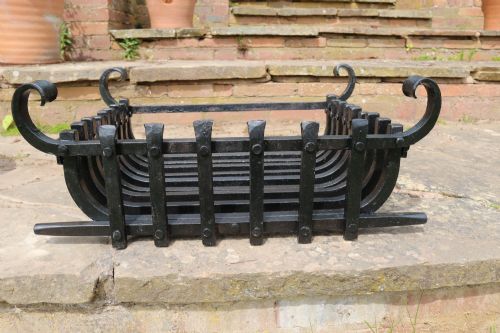
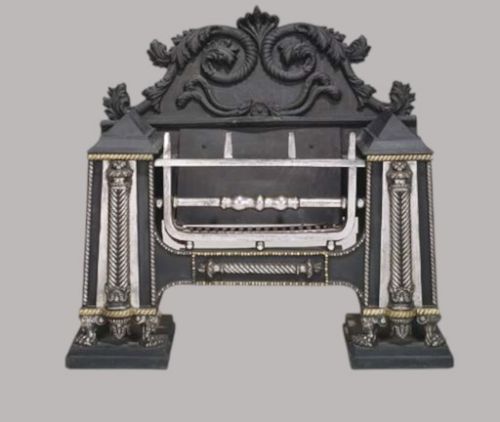
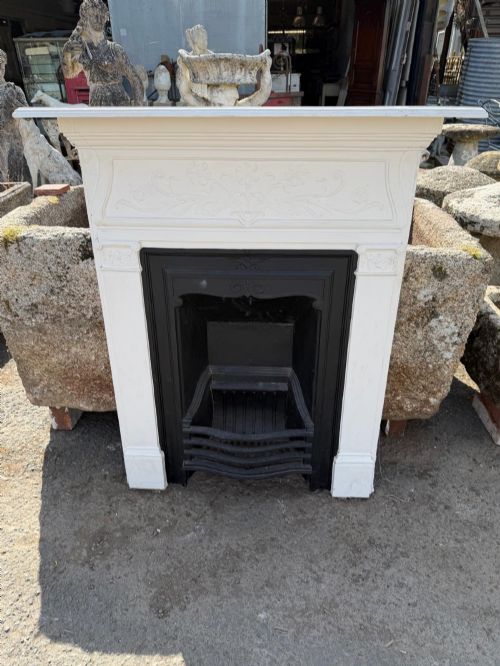
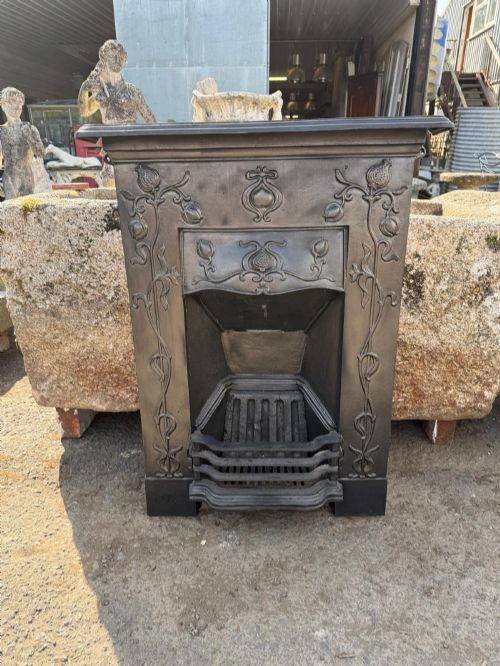
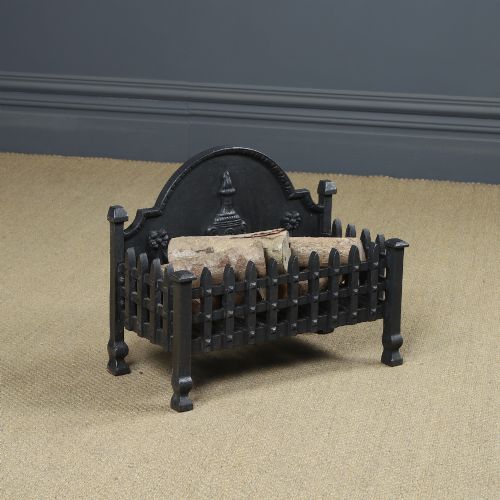
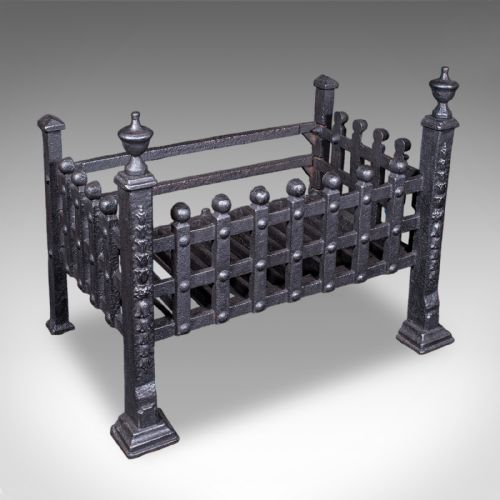
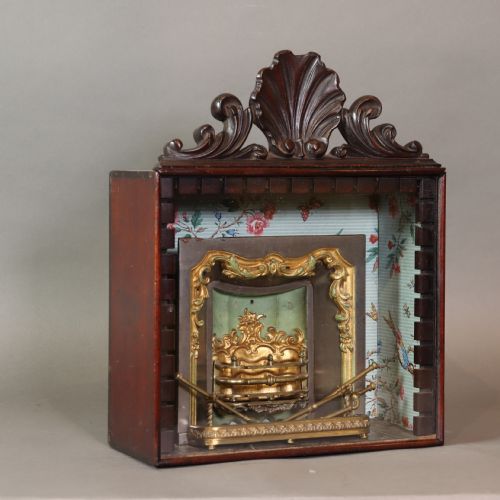
When you search for an antique hearth fire grate, you encounter substantial metalwork designed for coal or wood burning within domestic fireplaces. The selections span open fire baskets, register grates, hob grates, and combination fireplaces that integrate the grate directly with the mantel surround.
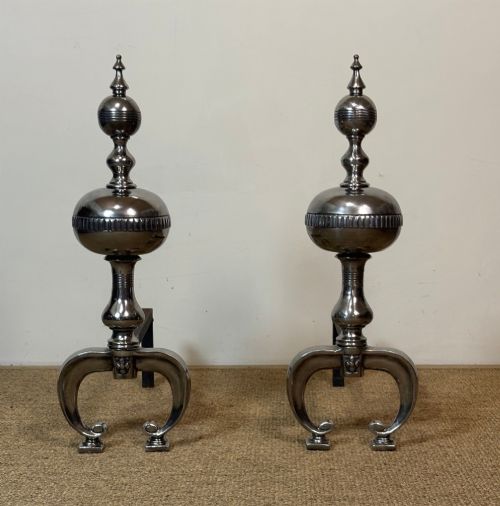
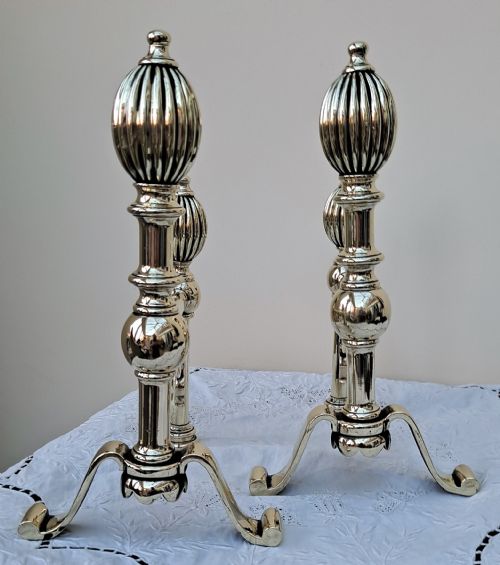
Victorian and Georgian examples dominate the offerings, frequently accompanied by matched sets of andirons, fire dogs, and heavy cast iron firebacks. These pieces range from small proportions suited to bedroom hearths up to large inglenook baskets built to heat major reception rooms.
How they were made
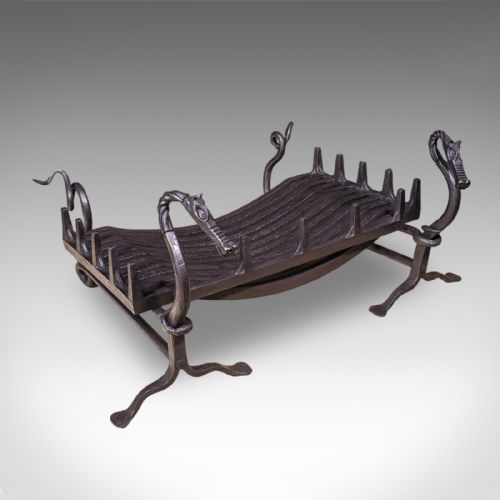
Foundry workers utilised traditional sand-casting techniques to form the heavy iron components, decorative firebacks, and structural frames that withstand intense hearth temperatures. Wrought iron was shaped by hand for specific basket bars and Arts and Crafts detailing, bringing varied texture to the metal.
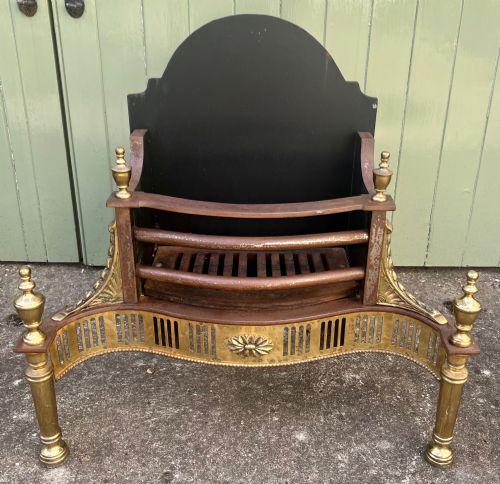
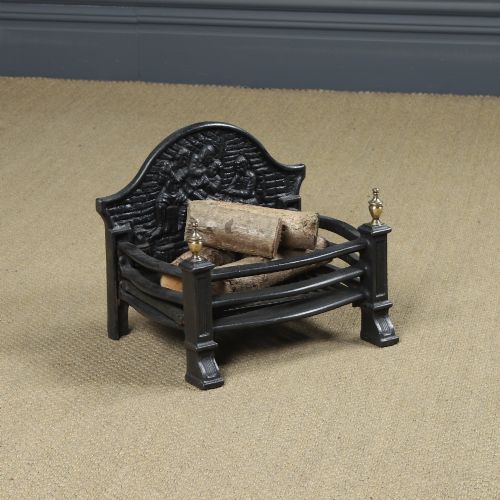
Brass elements, including urn finials, rails, and fire dogs, were cast and polished to contrast against the dark iron surfaces. Firebrick linings were integrated to retain and reflect heat back into the room effectively.
What varies in quality
Quality rests in the thickness of the metal casting and the crispness of decorative motifs such as neoclassical urns, swags, or medieval dragon patterns. Heavier grates with integrated firebacks and original brass mountings represent superior workshop output.
The degree of hand-finishing on wrought iron elements and the presence of complete, matching sets including fire dogs or fenders separate standard production grates from finer architectural examples.
Coalbrookdale
The Antique Hearth Fire Grate Glossary
- Fire Grate
- A metal basket or framework designed to hold burning fuel within a fireplace. These units sit directly on the hearth or mount within the fireplace opening.
- Andirons
- Supporting metal bars placed on either side of a hearth to hold logs, often featuring decorative vertical fronts called fire dogs. They frequently accompany fire baskets in larger fireplaces.
- Hob Grate
- A type of fireplace grate featuring raised side plates used for heating kettles or pans. These are typically associated with Georgian interior design.
- Register Grate
- A fireplace grate equipped with an adjustable flap or damper to control the draught up the chimney. They became common in the nineteenth century for regulating room heat.
- Fireback
- A heavy cast iron plate placed at the back of an open fireplace to protect the masonry and reflect heat forward into the room. Many display raised historical or heraldic motifs.
Antique Hearth Fire Grate: Frequently Asked Questions
What is an antique fire grate?
An antique fire grate is a metal structure built to contain fuel inside a fireplace opening. They provide the central functional and decorative focus of a hearth.
These pieces were produced across the Georgian and Victorian periods in cast iron, wrought iron, and brass. They range from simple open baskets to elaborate register grates and combination units.
How do I choose the right size?
Selecting the correct size requires measuring the width, depth, and height of your fireplace opening carefully. The grate must leave adequate clearance around the sides and back.
Larger inglenook grates require substantial hearth space, whereas smaller hob grates and miniature versions suit compact rooms or decorative setups.
Can these grates burn real wood?
Many cast and wrought iron grates are built to handle solid fuel, though some decorative or historic examples are better suited for display. Checking the internal firebrick and metal thickness determines active use.
Robust nineteenth-century and Georgian baskets with thick iron bars frequently accommodate wood or coal fires after proper safety inspection.
How do I identify the period?
Period identification relies on stylistic clues, manufacturing techniques, and design motifs present in the metalwork. Georgian pieces often display clean Neoclassical or Adam lines.
Victorian and Edwardian versions incorporate heavier cast decoration, Gothic Revival elements, or Arts and Crafts hand-wrought details. Archive comparisons help narrow down the decade of manufacture.