

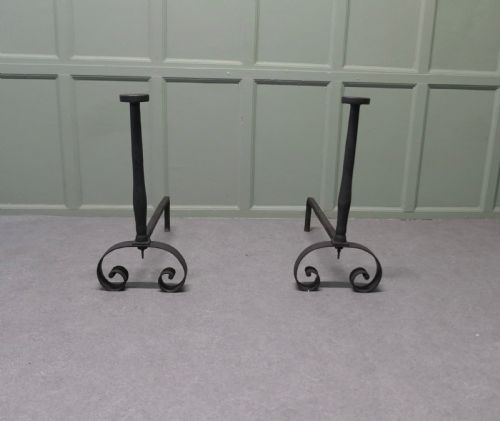


Cast Iron Fire Dogs
These cast iron fire dogs are essential hearth supports, combining robust utility with centuries of sculptural ironwork design.
What these pieces are
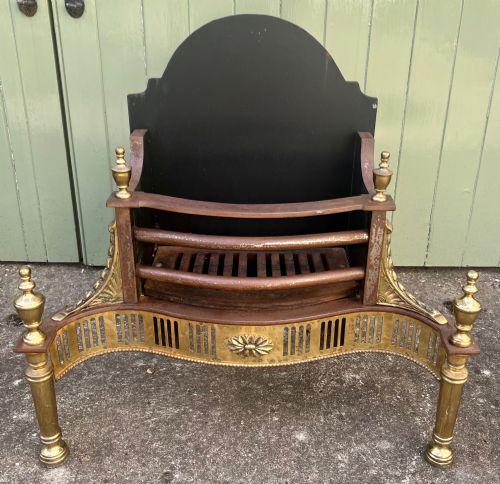
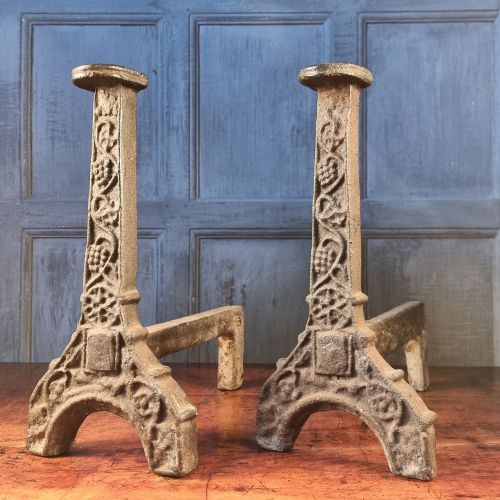
When you search for cast iron fire dogs, you encounter functional hearth furniture designed to hold logs above the hearth floor for better airflow. The pieces available here span from sixteenth century English examples to nineteenth century Victorian Gothic revivals and later fireplace accessories.
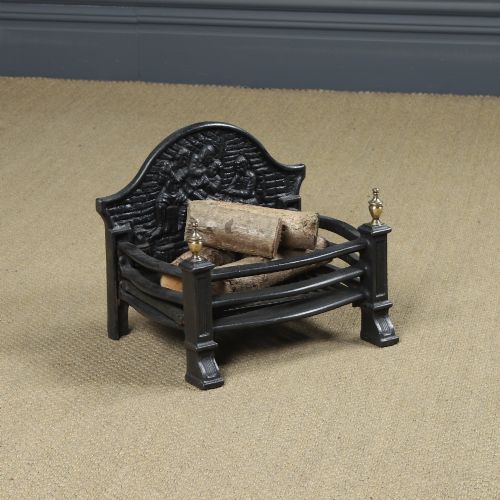
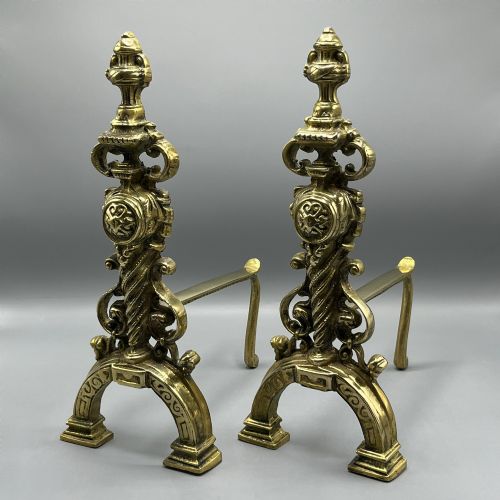
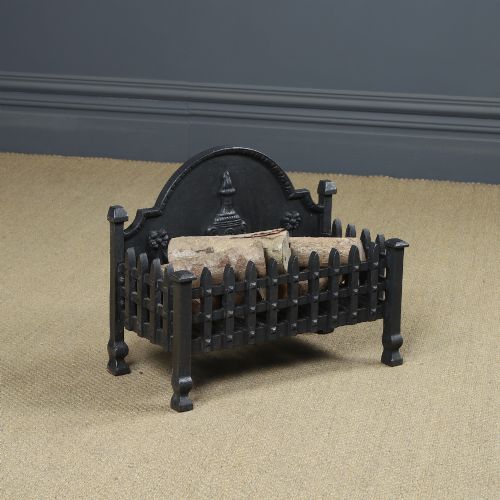
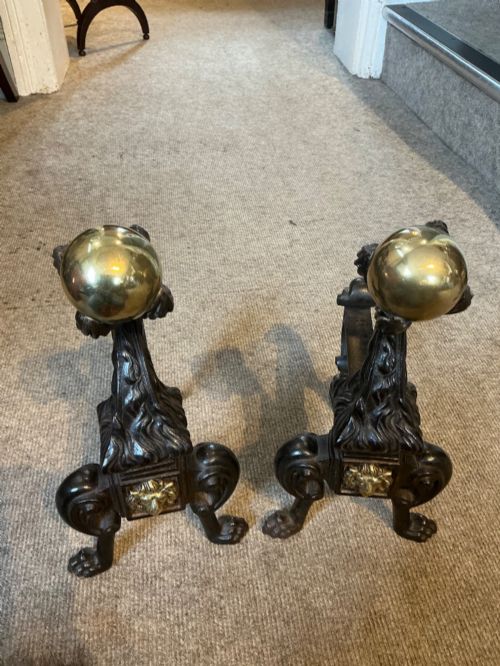
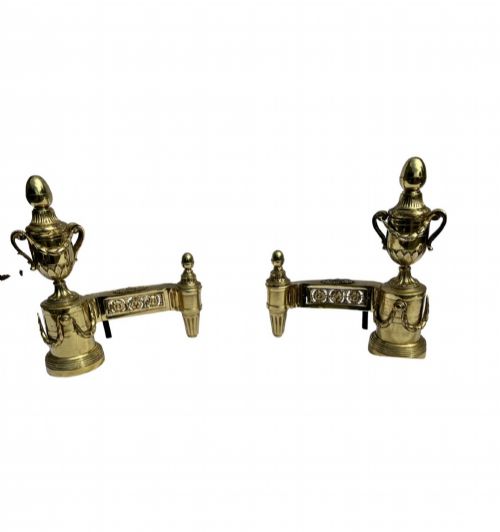
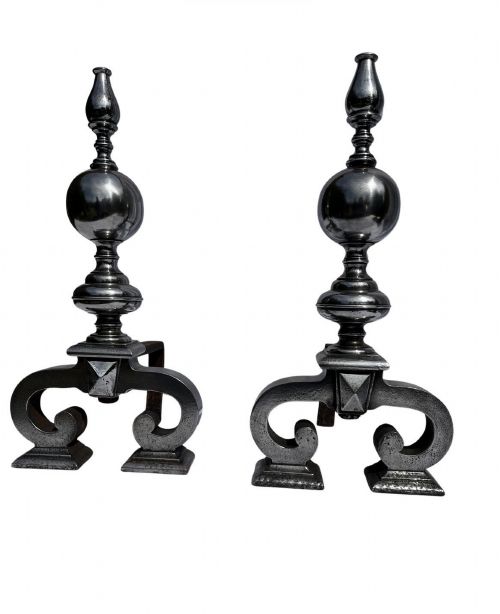
Most examples appear as paired andirons or companion pieces alongside fire grates and hearth baskets. You will frequently find them rendered in iron, sometimes paired with brass elements or formed as lions and architectural motifs.
How they were made
These items rely principally on cast iron, poured into moulds to capture decorative surface details like Gothic arches or heraldic forms. Certain pairs incorporate hand forged components alongside the cast elements to ensure stability under heavy wood fires.
Makers utilised brass highlights on specific nineteenth century pieces to contrast against the dark, heavy iron body. The resulting objects balance foundry casting techniques with durable hand finishing.
Retail Price Guide 2026
Typical UK retail prices for cast iron fire dogs, calculated from the Sellingantiques database of over a million retail prices indexed since 2003. This retail price guide relies exclusively on Sellingantiques data; no external sources or auction records are used, so the figures do not describe the wider market.
The listings here feature cast iron and brass materials across sixteenth century, eighteenth century, and nineteenth century periods.
What varies in quality
Quality rests in the crispness of the cast ornamentation and the weight of the metal. Superior examples retain sharp architectural details, clean lines in figural representations like lions, and properly aligned matching uprights.
Lesser items show blurred casting marks or mismatched repairs to the horizontal billets. The distinction lies in whether the maker achieved a balanced, symmetrical pair with strong surface integrity.
Carron Foundry
The Cast Iron Fire Dogs Glossary
- Andiron
- A horizontal metal support that holds logs in an open fireplace. They typically feature an upright decorative front pillar.
- Firedog
- An alternative term for an andiron used to support firewood. These items date back centuries in domestic hearth design.
- Gothic Revival
- An architectural and decorative style drawing on medieval forms. You see this aesthetic reflected in pointed arches and heavy ecclesiastical motifs on nineteenth century pieces.
- Hand forged
- Shaped by heating and hammering metal over an anvil. This technique appears on the structural bars and rests attached to cast uprights.
Frequently Asked Questions
What do fire dogs actually do?
Fire dogs elevate logs off the hearth floor to allow air circulation underneath the wood. This improves combustion and helps draw smoke up the chimney.
They also prevent burning fuel from rolling forward into the room while adding a decorative focal point to the fireplace.
How do I date a pair of fire dogs?
Dating relies on stylistic clues such as sixteenth century Elizabethan strapwork, seventeenth century motifs, or Victorian Gothic revival details. Construction methods like hand forging versus later industrial casting also provide chronological markers.
Comparing the form and surface texture against documented period examples helps confirm the era of manufacture.
Can I use antique fire dogs in an active fireplace?
Most cast iron pieces are structurally robust enough for regular fireside use. You should inspect them for deep thermal cracking or structural weakness before burning wood.
Many people also place them in decorative hearths or combine them with fire baskets for modern display.
Are fire dogs the same as fire baskets?
Fire dogs are standalone upright supports used independently or beneath a grate. Fire baskets integrate the log holder and dogs into a single stationary hearth unit.
Listings often group these related fireplace accessories together due to their shared function on the hearth.