
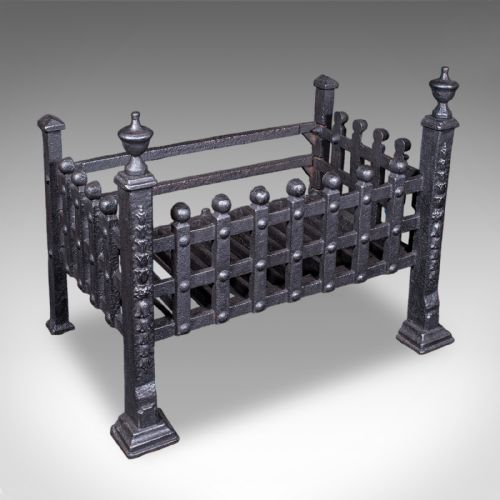
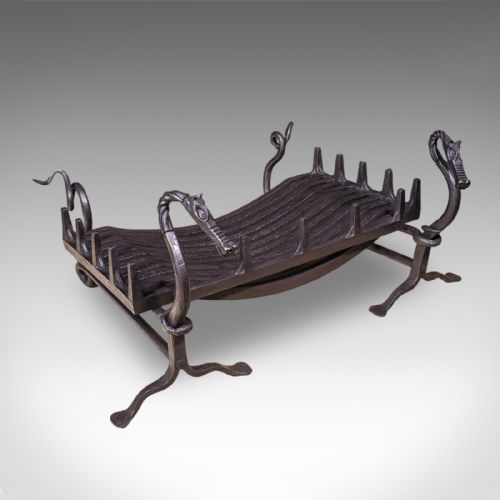


Traditional Fireplace Grate
A traditional fireplace grate anchors the hearth with functional ironwork built to hold burning logs.
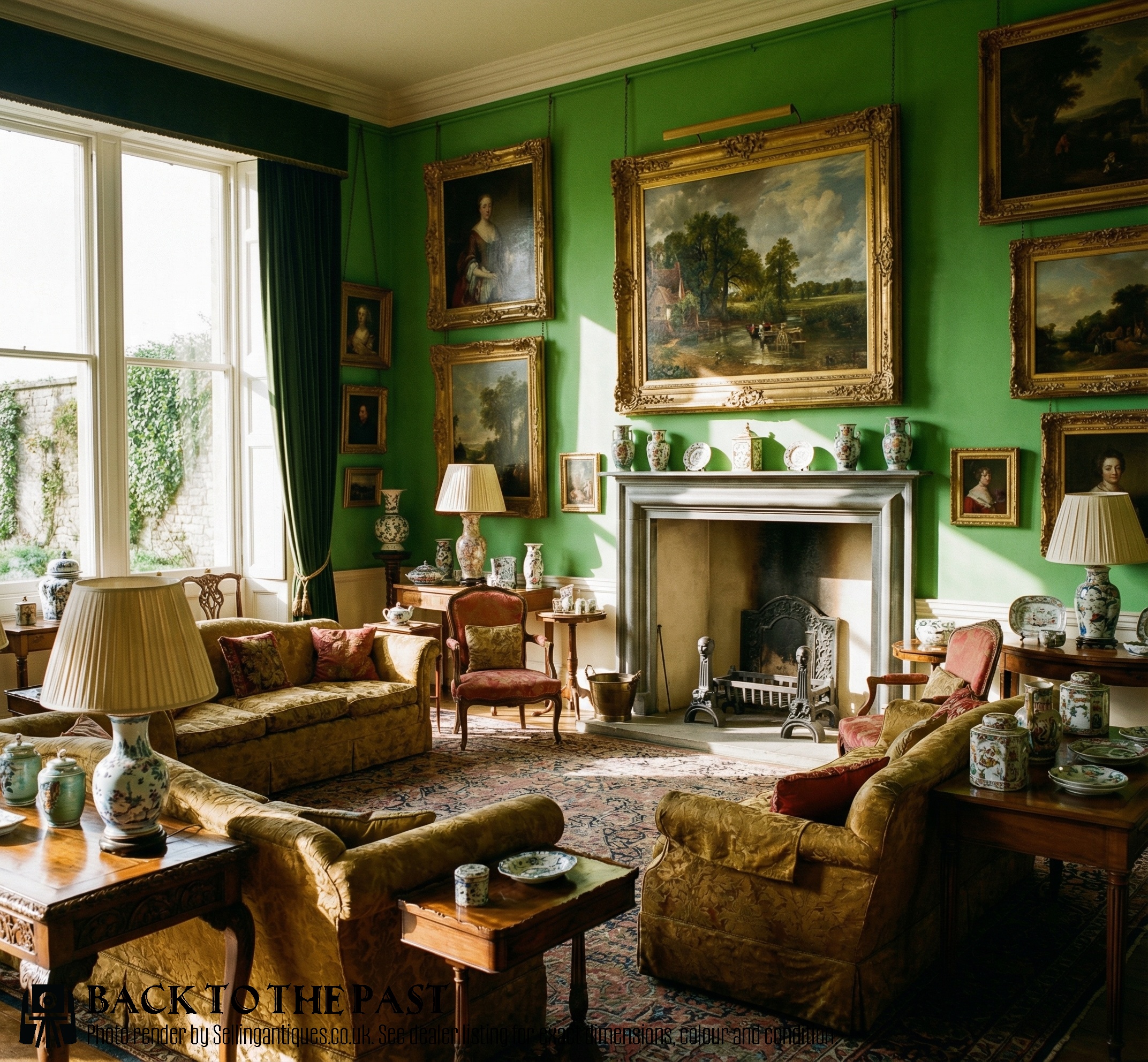
Traditional Fireplace Grate
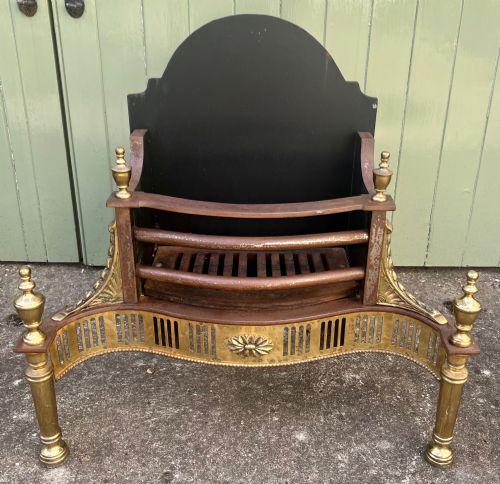
A traditional fireplace grate serves as the focal point of a hearth, designed to hold fuel safely above the hearth floor. Buyers seeking a traditional fireplace grate encounter pieces spanning the Georgian, Victorian, and Edwardian periods.
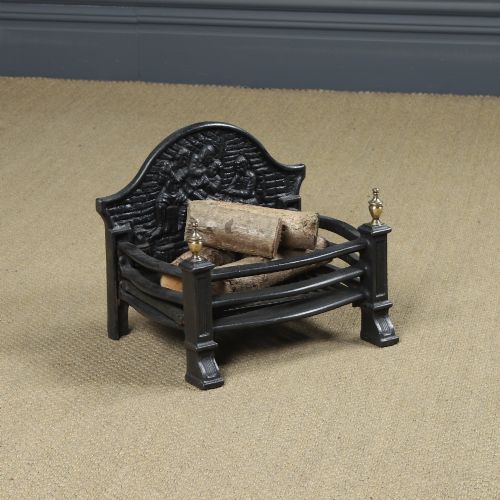
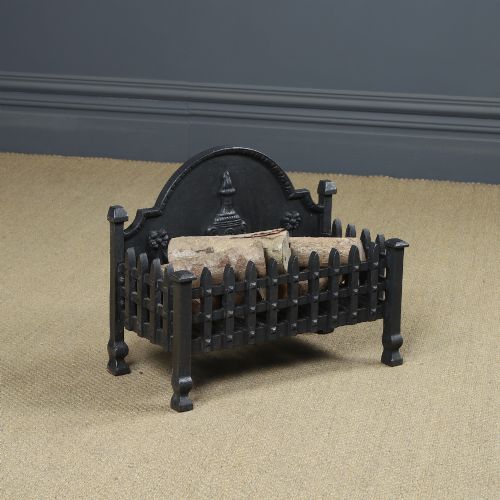
The selections range from simple open fire baskets and heavy inglenook grates to complex register grates and hearth sets complete with andirons. Many examples incorporate fire backs, brass details, and integrated firebricks to manage heat effectively.
Quality and Proportion
The distinction between standard examples and superior pieces rests on the weight of the metal and the refinement of the classical or gothic detailing. Heavier cast iron plates and substantial wrought iron bars indicate robust construction designed for heavy daily use.
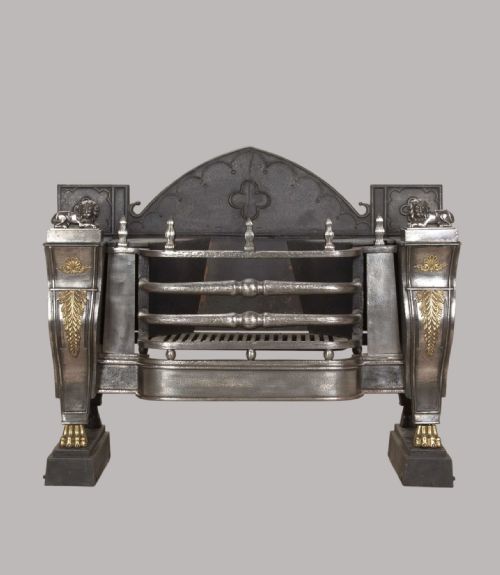
Design execution separates ordinary hearth furniture from exceptional work, particularly in pieces featuring neoclassical motifs, brass embellishments, or integrated fire backs. The balance of proportion between the grate, fire basket, and accompanying andirons dictates the visual harmony of the hearth.
Listings feature items from the Georgian, Victorian, and Edwardian eras, spanning styles from Gothic Revival to Arts and Crafts.
The Traditional Fireplace Grate Glossary
- Hob grate
- A type of fireplace grate featuring raised side plates once used for boiling kettles. These units date primarily to the Georgian and Regency periods.
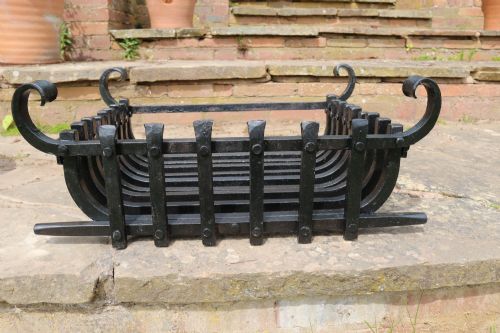
- Fire basket
- An open metal container designed to hold coal or logs within a hearth. They often sit on integral legs or pair with separate andirons.
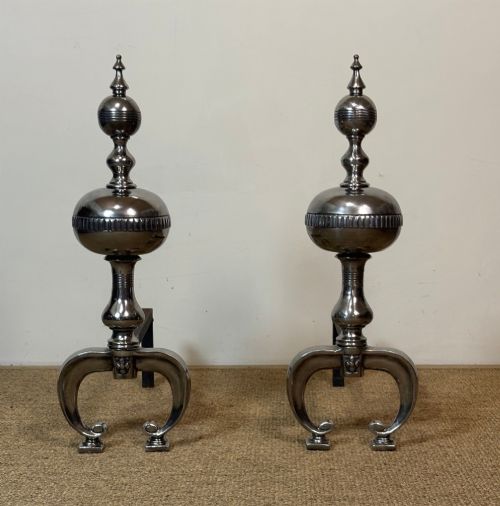
- Andirons
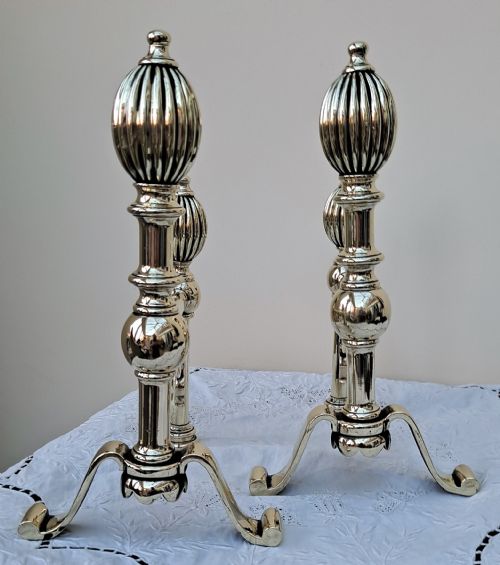
- Support irons placed on either side of a hearth to hold logs or support a fire basket. They frequently incorporate decorative brass or iron finials.
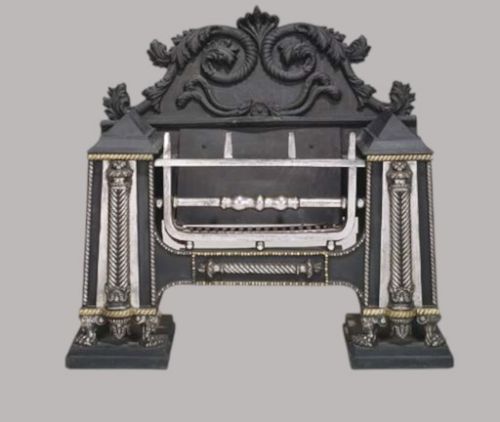
- Register grate
- A fireplace insert featuring a movable plate or damper to control the draught up the chimney. They became common during the nineteenth century.
- Fire back
- A heavy cast iron plate placed at the back of a fireplace to reflect heat into the room. They often display classical or heraldic motifs.
Traditional Fireplace Grate: Frequently Asked Questions
How do I choose the right size grate?
Measure the internal width, depth, and height of your fireplace opening carefully before selecting a piece. Leave adequate clearance around the basket for proper airflow and safety.
Traditional grates come in various proportions, from compact inserts for small rooms to massive inglenook pieces designed for deep hearths.
Can these grates burn real wood?
Most of these pieces were originally built to burn wood or coal, utilising heavy cast iron and firebrick to withstand high temperatures. You should inspect the condition of the iron bars and internal firebricks before lighting any fire.
Consult a professional chimney sweep or installer to ensure your chosen grate suits your specific fireplace flue.
What is the difference between a grate and a fire basket?
A fire basket is typically an open cage structure designed specifically to hold fuel, whereas a grate can refer to a wider variety of fixed hearth inserts including register grates.
Many listings use these terms interchangeably, often pairing baskets with matching andirons or fire backs.
How do I clean cast iron grates?
Remove ash and debris regularly with a soft brush to prevent moisture accumulation and subsequent rusting. Apply a light coat of grate polish or black lead periodically to maintain the surface.
Avoid using harsh chemical cleaners that can strip the historic finish from the iron.