


Victorian Fireplace Grate
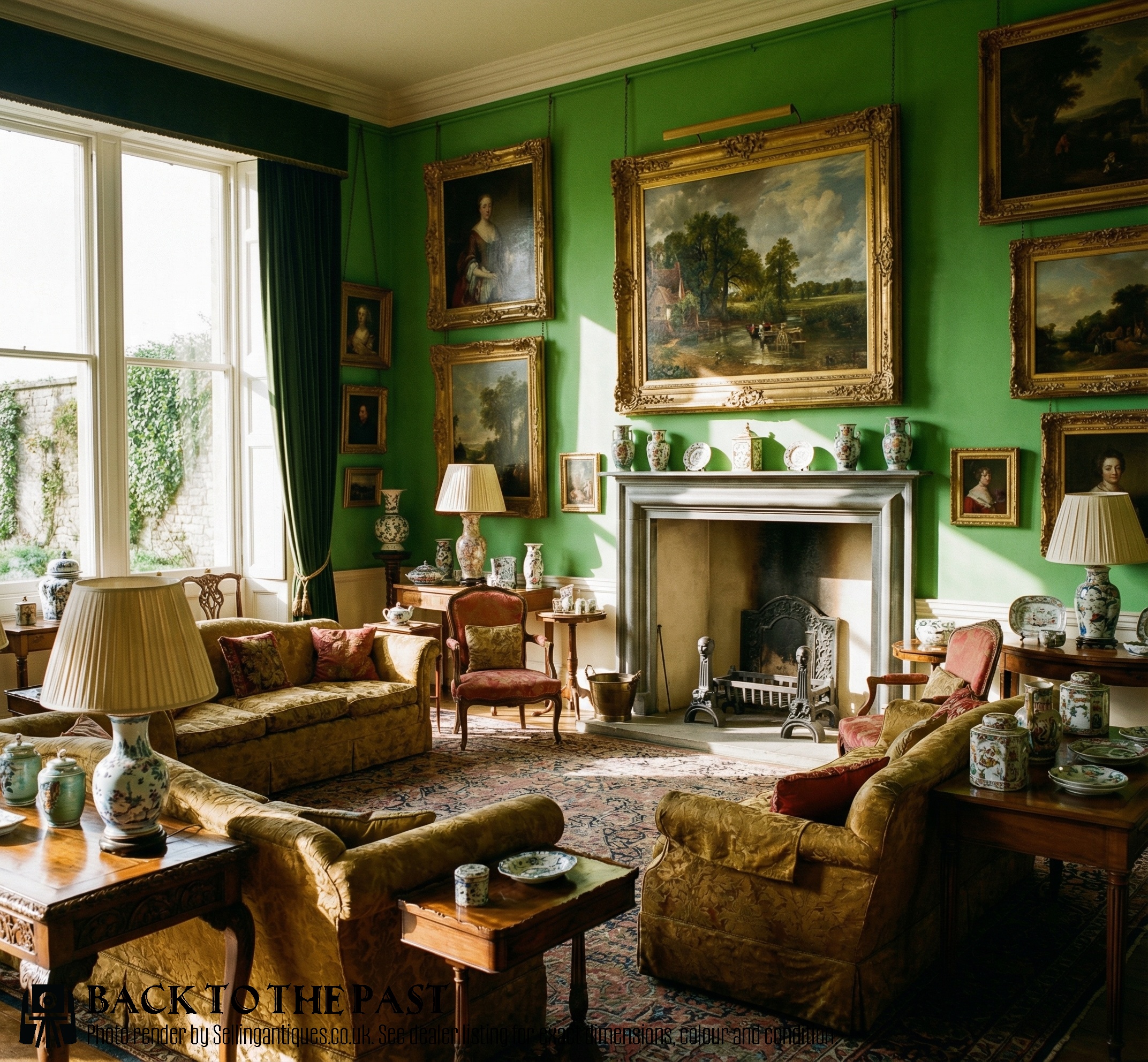
A victorian fireplace grate brings solid period character to a room, holding logs safely while anchoring the hearth with heavy metalwork.
Victorian Fireplace Grate
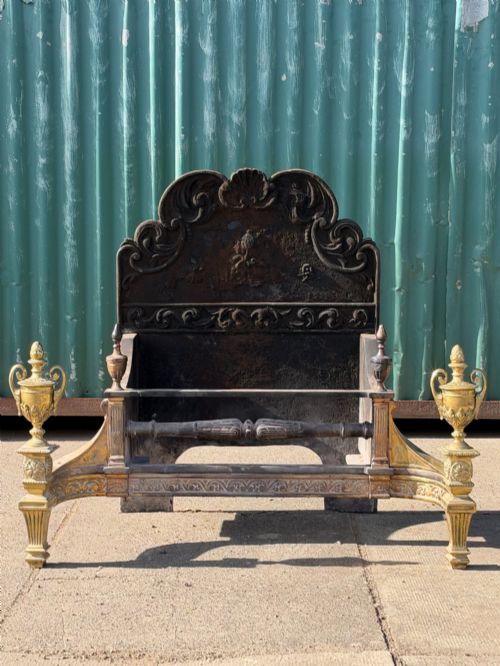
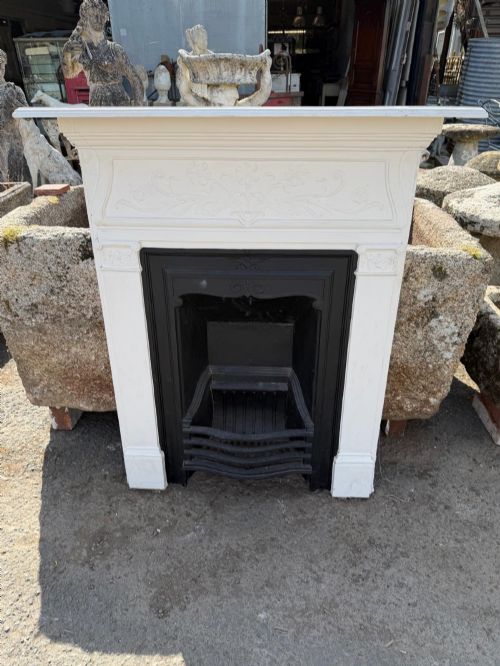
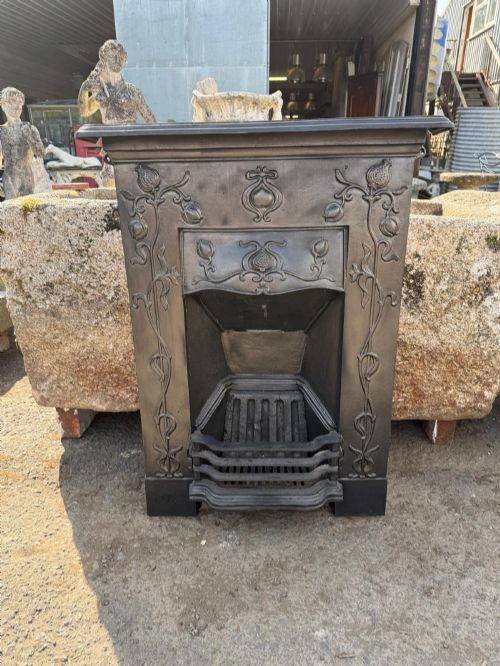
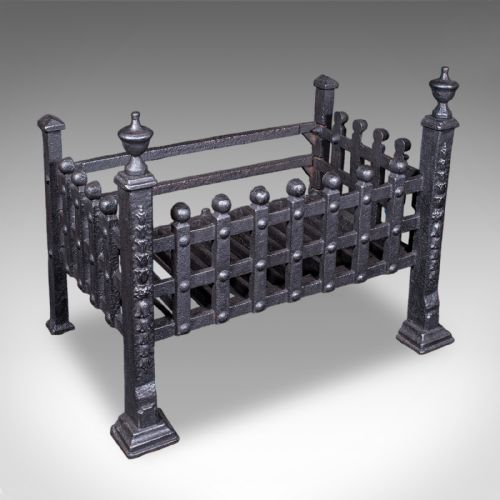
When searching for a victorian fireplace grate, buyers encounter a robust variety of heavy hearth furniture designed for coal or wood burning. The selection ranges from self-contained combination units to freestanding fire baskets paired with matching andirons.
Many examples emerge from the nineteenth century, displaying architectural forms that fit directly into chimney openings or sit forward onto the hearth floor. Simpler register grates and smaller hearth accessories appear alongside grander inglenook variants.
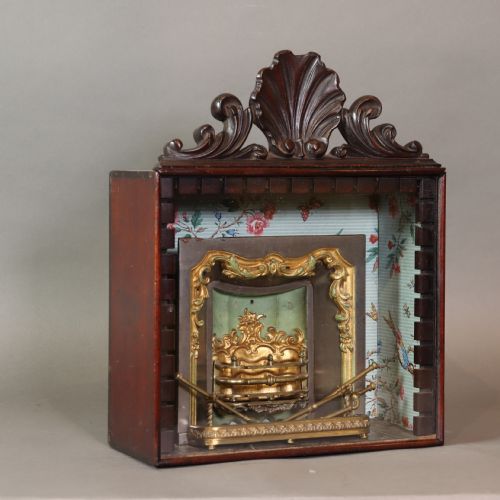
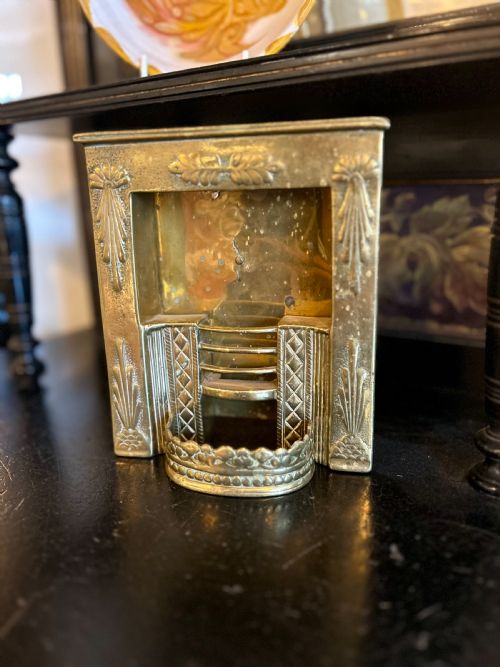
Makers utilised durable metals to withstand intense heat, producing items that combine utility with decorative metalwork suited to period interiors. Miniature salesman samples and trade models also surface, demonstrating the same construction on a diminutive scale.
Materials and Construction
Cast iron and wrought iron form the structural backbone of these pieces, providing the necessary weight and heat resistance for open fires. Foundries poured molten iron into moulds to create intricate fire backs and grates, while blacksmiths hammered wrought iron into sturdy fire baskets.
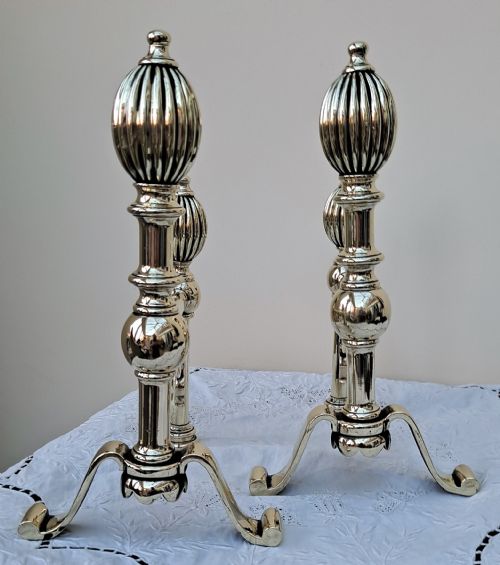
Brass elements frequently accent the ironwork, appearing on andirons, finials, and decorative mounts to catch the light of the hearth. Additional materials such as timber, wood, copper, and firebrick occasionally support the main metal structures or provide functional hearth accessories.
Listings feature periods from the nineteenth century alongside early twentieth-century revivals, constructed in cast iron, brass, and wrought iron.
Distinctions in Quality
The degree of refinement in the metal casting and the crispness of decorative detailing separate standard utility grates from superior examples. Heavier gauge iron and substantial brass components indicate robust construction intended to endure decades of stoking and heat.
Design ambition also marks the hierarchy of pieces, moving from plain functional grates to elaborate styles incorporating Gothic Revival or Neoclassical motifs. Maker attribution, such as work from documented foundries like Coalbrookdale, further elevates the standing of a hearth set.
Coalbrookdale
The Victorian Fireplace Grate Glossary
- Fire basket
- An open metal basket designed to hold coal or wood within a fireplace opening. These units often rest on legs or integrate directly with a hearth set.
- Andirons
- Supporting metal fire dogs placed on either side of the hearth to hold logs above the floor of the grate. They often feature decorative brass terminals.
- Register grate
- A fireplace grate fitted with an adjustable flap or plate to control the draught up the chimney. This style became common during the nineteenth century for improved heating efficiency.
- Fire back
- A heavy cast iron plate placed against the rear wall of a fireplace. It protects the masonry and reflects heat back into the room.
- Inglenook
- A large recessed fireplace space designed to accommodate seating or substantial fire baskets. Pieces designated for this use are typically of heavy proportions.
Victorian Fireplace Grate: Frequently Asked Questions
How do I choose the right size?
Measure the internal width, height, and depth of your fireplace opening carefully before selecting a grate. Freestanding baskets offer more flexibility in placement than combination units built for specific fireplace dimensions.
Consider the clearance needed around the sides for airflow and safety. Larger inglenook pieces require substantial hearth space and sturdy chimney flues.
Can these grates burn real wood?
Most heavy iron and wrought iron grates were originally built to handle solid fuels like coal or wood. Check the condition of the metal bars and the presence of a firebrick lining before lighting any fire.
Heavier cast baskets tolerate logs well, but delicate or miniature salesman samples are strictly decorative. Ensure your chimney has been swept and inspected by a professional before use.
How do I clean cast iron?
Remove ash and debris regularly using a soft brush to prevent moisture retention and rust formation. Wipe down the metal surfaces with a dry cloth and apply specialist grate polish or black lead if a darker finish is desired.
Avoid using harsh chemical cleaners that strip the historic patina from the iron. Brass components can be polished gently with a mild metal cleaner while keeping paste away from the surrounding iron.
What styles were popular during the period?
Gothic Revival and Neoclassical designs dominate nineteenth-century hearth furniture, reflecting broader architectural tastes. These styles incorporated pointed arches, urn motifs, and symmetrical brass detailing into the metalwork.
Later Victorian output also embraced Arts and Crafts simplicity alongside heavier industrial castings. Identifying these decorative cues helps place a piece within its proper era.