


19th Century Fire Basket
These 19th century fire baskets and associated log bins bring warmth and enduring metalwork to a hearth.
19th Century Fire Basket
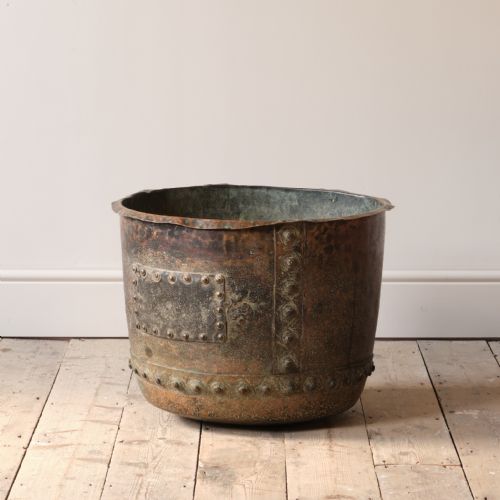
A 19th century fire basket serves as a practical hearth fixture or a container for fuel, taking forms such as open grates, register grates, and inglenook fire grates on andirons. Buyers also encounter related vessels like copper log bins, buckets, and planters that share the period aesthetic.
The pieces on this page span the 19th century alongside associated items from the early 20th century, drawing on Georgian, Victorian, Gothic Revival, Arts and Crafts, and Neoclassical styles. French country and rustic farmhouse variants also appear among the selection.
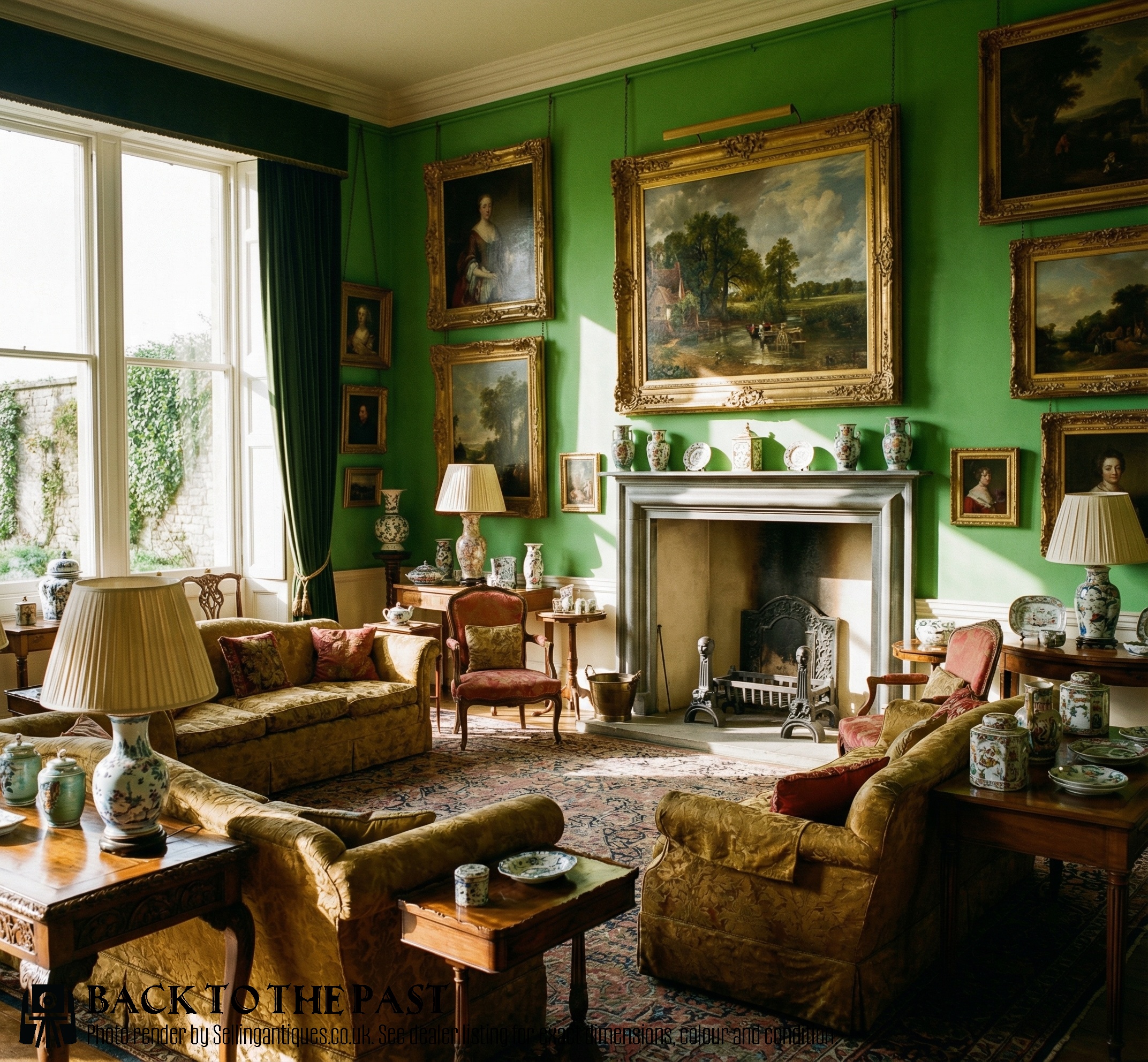
Most examples function as functional fireplace accessories or decorative storage for logs, shaped to sit within chimney openings or stand freely in a room. Their origins encompass domestic hearths across Britain and Europe.
How they were made
Makers utilised cast iron and wrought iron for structural fire grates and andirons, providing the necessary heat resistance and weight for holding solid fuel. Brass and copper frequently form the bodies of log bins and buckets, often finished with distinctive riveted construction.
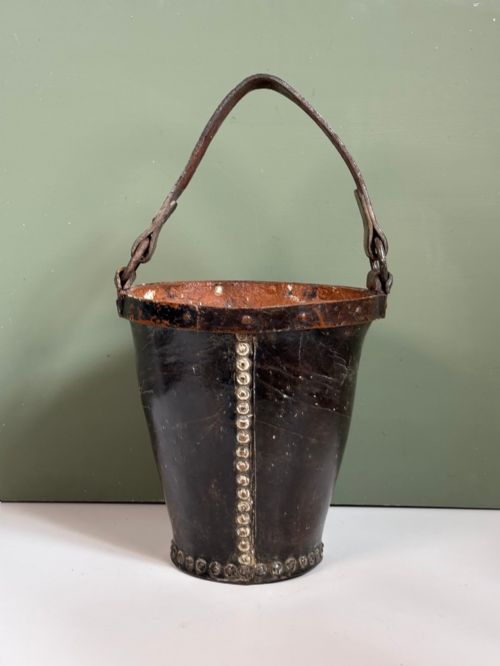
Alternative materials like boiled leather and pine appear in specific vessel types, while oil paint decorates items such as dummy boards. Metals are cast, shaped, and hammered to achieve the formal lines of Gothic Revival and Neoclassical designs.
Listings feature items from the 19th century alongside pieces marked 1800, 1850, 1860, 1880, and 1920.
What varies in quality
The distinction between ordinary and superior pieces rests upon the weight of the metal and the precision of the casting or riveting. Substantial ironwork and heavy-gauge copper demonstrate a commitment to durability that lighter items lack.
Design articulation separates standard hearth furniture from exceptional examples, particularly where brass griffins, classical mouldings, or careful hand-riveting define the surface. The integrity of the materials, whether cast iron, brass, or boiled leather, dictates the longevity of the object.
The 19th Century Fire Basket Glossary
- Fire basket
- An open metal grate designed to hold coal or wood within a fireplace. These fixtures combine iron frames with decorative brass or steel elements.
- Andirons
- Supporting metal bars placed horizontally in a fireplace to raise logs for better air circulation. They often accompany fire baskets and grates.
- Register grate
- A fireplace insert featuring an adjustable plate to control the draught up the chimney. They became common in the 19th century for improved heating efficiency.
- Dummy board
- A painted wooden figure cut out to appear lifelike, placed beside a hearth or in a doorway. These decorative items date from the period and use oil paint on pine.
19th Century Fire Basket: Frequently Asked Questions
Can I use an antique fire basket for a real fire?
Many iron fire grates and baskets were built for solid fuel and remain sturdy enough for regular use. You should inspect the metal thickness and consult a specialist before lighting fires in historical grates.
Lighter decorative baskets or those with delicate brass components are better suited for holding logs or serving as planters rather than supporting intense heat.
How do I clean copper log bins?
Copper surfaces benefit from gentle dusting and occasional cleaning with a mild, non-abrasive metal cleaner to remove surface dirt. Avoid harsh chemical polishes that strip away the natural patination acquired over generations.
Leaving a soft patina often preserves the character of 19th-century metalwork more effectively than aggressive shining.
What is the difference between a fire basket and an andiron?
A fire basket is an integrated metal basket or grate that contains the burning fuel directly. Andirons are paired firedogs that support logs independently or hold a separate grate between them.
Many 19th-century hearth arrangements combine both elements, placing a heavy grate directly upon a pair of matching andirons.
Where should I place a log bin indoors?
Copper and brass log bins function well beside an active fireplace or within an inglenook to keep fuel close at hand. They also serve as decorative floor planters or umbrella stands in hallways.
Ensure the surface beneath the bin is protected if storing damp wood or unsealed logs.