


Cast Iron Log Grate
A cast iron log grate holds burning fuel securely within a hearth, bringing both structure and traditional weight to an open fireplace.
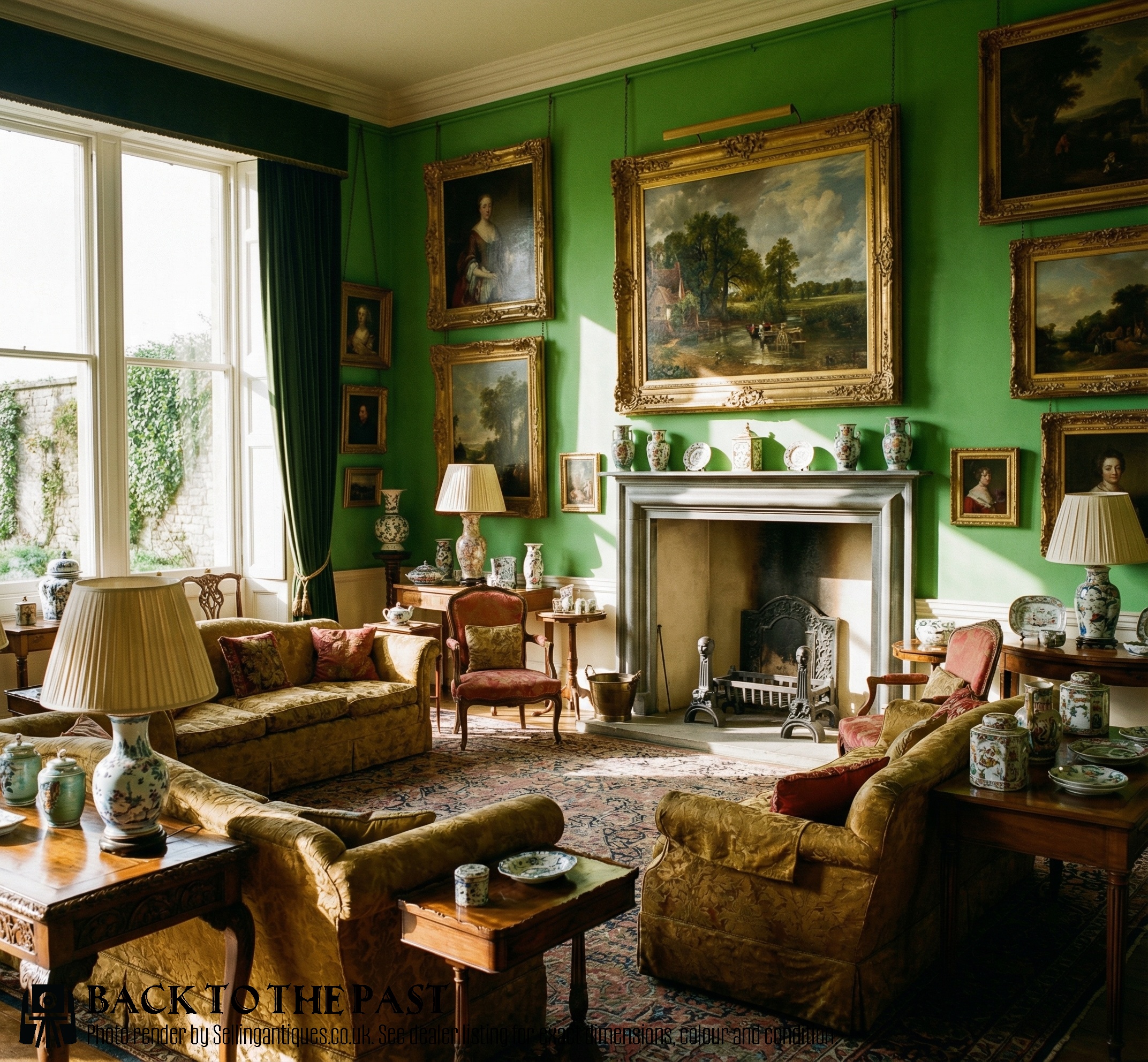
Cast Iron Log Grate
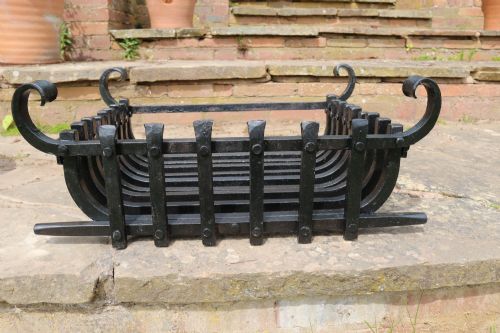
A cast iron log grate serves as the central vessel for wood fires within period hearths, appearing frequently alongside matching andirons or fire backs. These utilitarian items range from smaller proportions designed for modest chambers up to heavy inglenook versions meant for large country houses.
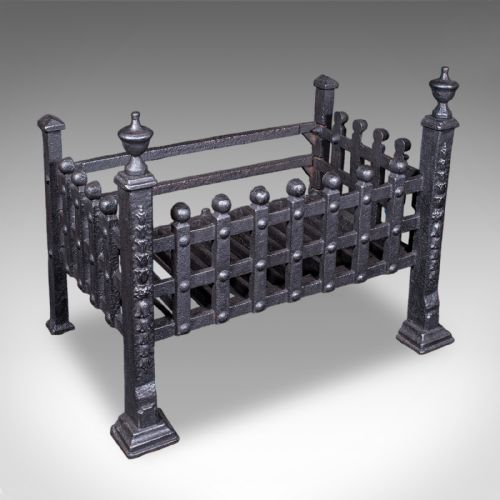
The pieces on this page span several centuries and design movements, including Georgian, Victorian, Regency, and Arts and Crafts aesthetics. Buyers encounter both freestanding baskets and complete sets featuring fenders and fire dogs.
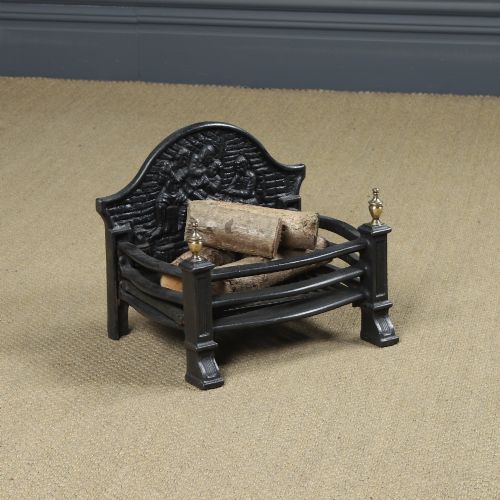
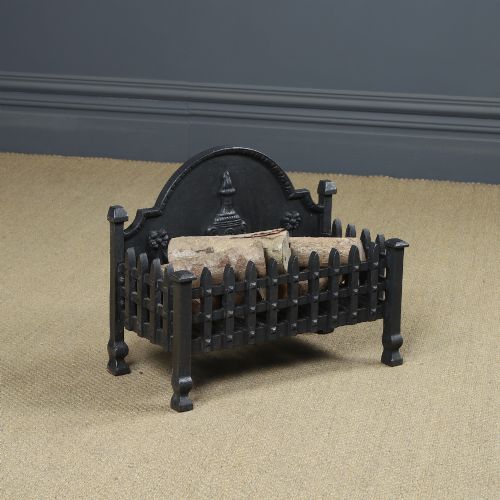
Styles vary from simple, heavy-duty ironwork to ornate Gothic Revival and neoclassical forms featuring decorative brass accents or firebrick linings. Each configuration reflects the heating needs and interior fashions of its original domestic setting.
Materials and construction methods
Foundries utilised durable cast iron for the main baskets and fire backs, valued for its ability to withstand intense heat without warping. Wrought iron frequently complemented these cast components, particularly in handles, scrollwork, and structural frames.
Makers incorporated brass details for visual contrast, while firebrick linings helped retain and radiate warmth into the room. Heavy metal sections were typically cast in moulds before being assembled with wrought elements by hand.
Materials recorded across the inventory include cast iron, wrought iron, brass trim, and refractory firebrick.
Assessing quality and substance
Substance and weight separate robust utilitarian pieces from lighter decorative iterations, with thicker metal sections indicating greater durability under sustained heat. The integrity of the original casting determines how well the structure resists thermal stress over decades of use.
Design execution distinguishes standard foundry output from superior examples, particularly in the crispness of neoclassical or Gothic revival detailing. Complete sets that retain their original andirons and fire backs exhibit a higher degree of matched craftsmanship.
The Cast Iron Log Grate Glossary
- Fire grate
- An iron basket or frame designed to hold burning fuel safely above the hearth floor. It allows air to circulate underneath for a cleaner burn.
- Andirons
- Supporting metal bars placed on either side of a hearth to hold logs or support a fire basket. They are frequently paired with grates in larger fireplaces.
- Fire back
- A heavy cast plate placed against the back wall of a fireplace. It protects the masonry and reflects heat forward into the room.
- Inglenook
- A recessed space around a fireplace, typically large enough to accommodate seating. Grates designed for these areas are usually of substantial proportions.
- Firebrick
- A block of refractory ceramic material used to line fireboxes. It withstands high temperatures and helps distribute heat evenly.
Cast Iron Log Grate: Frequently Asked Questions
How do I choose the right size grate?
Measure the width, depth, and height of your fireplace opening carefully before browsing. Ensure you leave adequate clearance on all sides for safe heat dissipation and proper airflow.
Larger inglenook grates require substantial hearth space, whereas small proportions suit modest Victorian or Edwardian fireplaces.
Can these grates burn real wood?
Most of these pieces were engineered specifically for burning solid fuels like wood or coal in open hearths. The heavy metal construction handles high temperatures generated by traditional log fires.
Inspect the thickness of the iron and any firebrick linings to ensure the structure remains solid before lighting.
How do I care for cast iron?
Keep the metal clean of ash and moisture to prevent surface corrosion over time. Regular maintenance involves applying a suitable grate polish or oil to protect the finish.
Avoid using harsh chemical cleaners that might strip the historic surface of the iron.