
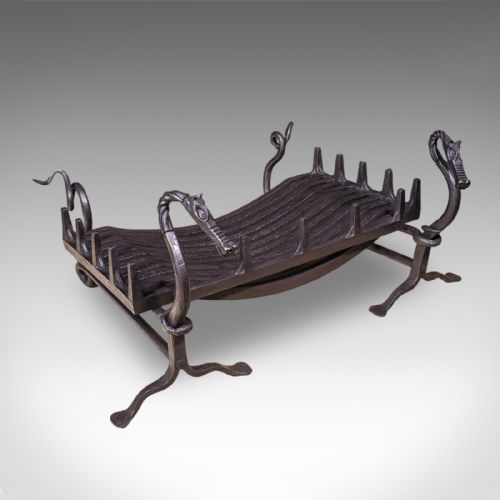


Vintage Hearth Grate
These vintage hearth grate pieces transform an empty fireplace into a functional centrepiece of cast iron and brass.
Vintage Hearth Grate
A vintage hearth grate holds solid fuel within a fireplace while providing a structured basket for coal or logs. The selection spans periods from the Georgian era through the Edwardian years and into the 1930s.
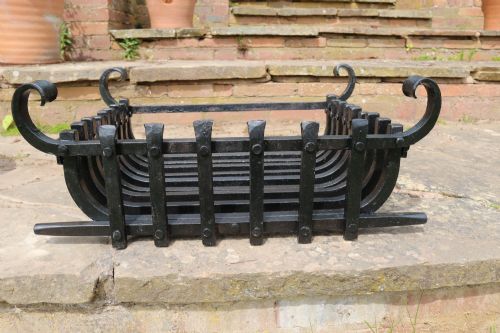
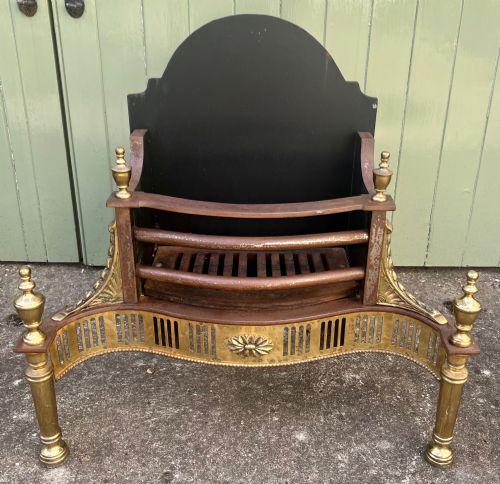
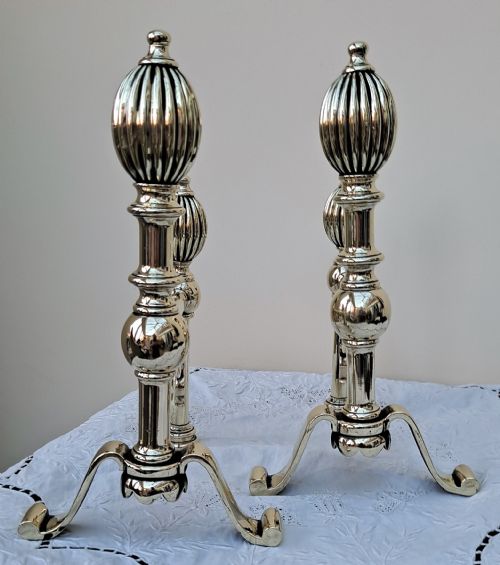
Most examples take the form of fire baskets, fire grates, and companion pieces like andirons and fire dogs. Forms range from utilitarian cast iron designs to decorative Adam style brasswork and medieval revival wrought iron.
These items originate primarily as English fireplace accessories intended to manage domestic coal or wood fires. Buyers encounter freestanding baskets alongside fitted grates complete with fire backs and fenders.
How they were made
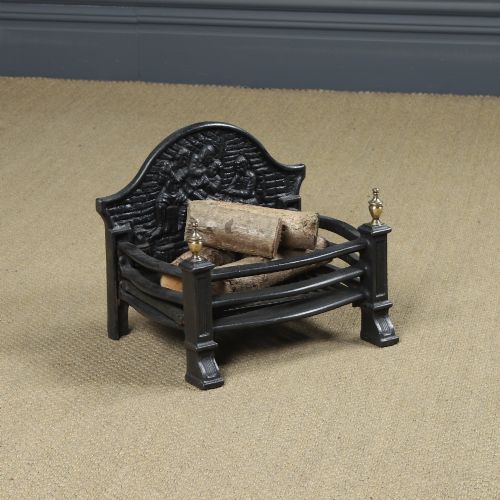
Foundry work dominates construction, utilising cast iron for heavy fire baskets and fire backs that withstand intense heat. Smitheries shaped wrought iron and steel into detailed grates, fire dogs, and footmen.
Foundries combined metals, mounting polished brass mounts and finials onto cast iron frames, particularly in Adam and Victorian pieces. Copper inlay and firebrick linings appear in specific regional or period configurations.
Listings feature cast iron, brass, wrought iron, and steel alongside firebrick and copper across the 18th, 19th, and early 20th centuries.
What varies in quality
The standard of metalcasting distinguishes straightforward utility pieces from refined examples. Crisp detailing in cast iron motifs and cleanly forged wrought ironwork indicate superior workshop production.
Material combination also elevates a piece, such as heavy brass castings secured to robust iron frames rather than thin pressed sheet metal. Complete sets retaining original fire dogs or brass andirons show greater integrity than separated items.
The Vintage Hearth Grate Glossary
- Cast iron
- A strong, heat-resistant metal alloy poured into moulds to create heavy fireplace furniture. It forms the primary body of most grates and fire backs.
- Wrought iron
- Iron beaten and shaped by hand while hot to produce structural fireplace baskets. This material allows for slender, strong bars and decorative scrollwork.
- Andirons
- Supporting metal bars placed on the hearth to hold logs above the floor. They often feature decorative brass fronts that match the associated fire grate.
- Adam style
- An eighteenth-century neoclassical design vocabulary marked by symmetry and classical motifs. Pieces in this style frequently incorporate bright brass elements.
- Fire back
- A heavy cast iron plate placed at the rear of the fireplace hearth. It radiates heat forward and protects the masonry wall behind the fire.
Vintage Hearth Grate: Frequently Asked Questions
What is a vintage hearth grate used for?
These metal baskets hold logs or coal securely within an open fireplace during use. They keep fuel elevated to encourage proper airflow and complete combustion.
Beyond burning fuel, they serve as decorative architectural salvage that defines a room's focal point. Many homes now display them empty or fitted with electric logs for visual effect.
How do I identify a Georgian fire grate?
Georgian and Adam style grates typically feature neoclassical symmetry with polished brass serpentine fronts and slender bars. They reflect eighteenth-century architectural proportions.
Later Victorian and Edwardian pieces often adopt heavier cast iron construction with Gothic revival or arts and crafts details. Examining the surface texture and joining methods helps separate early handmade ironwork from later production.
Can these grates burn real wood?
Most antique grates were built to handle solid fuel like coal or wood using thick cast iron and firebrick. However, centuries of thermal stress mean original metal can develop hidden fractures.
Buyers intending to light real fires should have a specialist inspect the structural integrity and clearance of the ironwork. Many owners choose decorative placement rather than risking damage to historical metal.
What is the difference between a grate and a fire basket?
A fire basket is a self-contained metal container designed to hold fuel directly upon the hearth floor or between andirons. It moves easily and sits forward in the opening.
A grate often includes integrated frames, fender assemblies, or built-in back plates designed for specific fireplace dimensions. Both terms frequently overlap in historical listings.