


Fireplace Grate Andirons
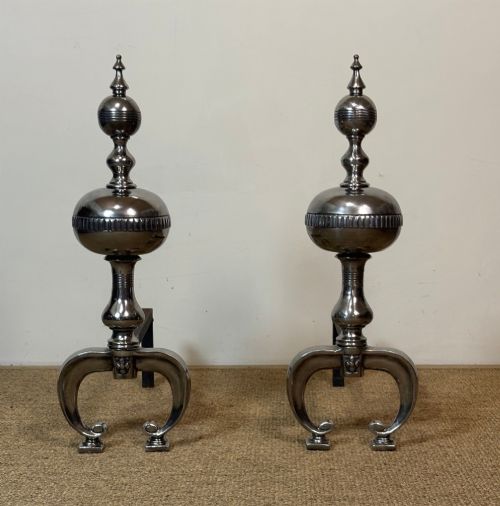
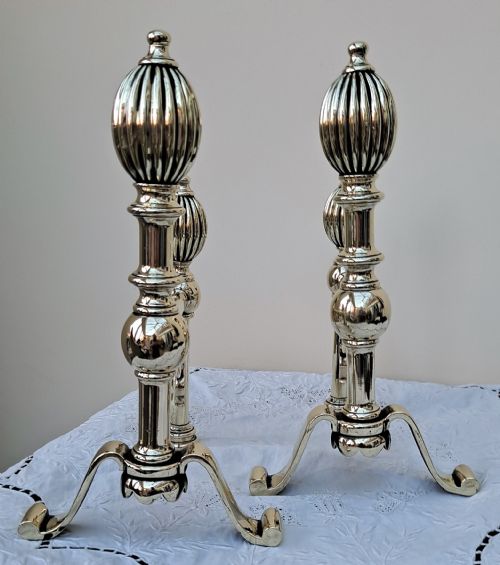
Fireplace grate andirons are essential hearth hardware that hold logs securely while supporting fuel baskets, bringing both function and period character to an open hearth.
Fireplace Grate Andirons
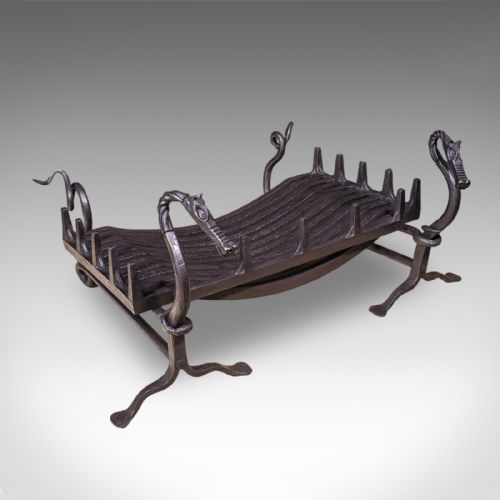
Fireplace grate andirons combine functional firedogs with integrated baskets or rests designed to hold wood fuel efficiently within an open hearth. When you search for fireplace grate andirons, you encounter robust iron, steel, and brass assemblies intended for coal or log burning.
The pieces appearing on this page span the nineteenth century through the Edwardian period, with Victorian examples appearing most frequently. These sets often arrive alongside matching fire baskets and fenders, forming complete hearth configurations from earlier domestic interiors.
Most examples originate from English workshops, alongside occasional continental pieces featuring distinct decorative motifs. They serve both to elevate fuel for better airflow and to anchor the entire decorative arrangement of the fireplace.
Materials and construction
Metalworking techniques dictate the construction of these hearth pieces, relying primarily on cast iron, wrought iron, and steel for structural strength. Smiths and founders shaped the heavy bars to withstand intense heat while supporting substantial timber loads.
Brass, bronze, and ormolu appear as decorative elements or primary highlights on finer examples, adding polished contrast to the dark iron frameworks. Parcel gilt treatments and detailed motif castings demonstrate the high level of metal finishing typical of the period.
The inventory includes specialised regional forms such as inglenook grates alongside standard hearth accessories and french chenets.
Assessing quality and presence
Substance and scale separate standard hearth furniture from exceptional examples, with weight indicating the density and durability of the metal. Heavier ironwork and thick cast components provide both stability in the hearth and enduring structural integrity.
The definition and depth of cast or chased motifs distinguish superior items from simpler utilitarian versions. Pieces featuring clean lines, intact parcel gilt surfaces, and balanced brass detailing display superior workshop execution.
The Fireplace Grate Andirons Glossary
- Andiron
- A metal support placed horizontally in a fireplace to hold burning logs. They often feature decorative front pillars.
- Fire Basket
- A metal grate designed to contain coal or wood within the hearth. It typically rests upon or integrates directly with andirons.
- Chenet
- A French term for an andiron, frequently associated with decorative bronze or ormolu pieces. These often incorporate ornate figural motifs.
- Inglenook
- A large recessed fireplace space designed for seating alongside the hearth. Grates for these areas are usually exceptionally heavy.
- Fire Back
- A heavy iron plate placed at the back of a fireplace to reflect heat and protect the masonry. They appear alongside andirons in complete hearth sets.
Fireplace Grate Andirons: Frequently Asked Questions
How do andirons work with grates?
Andirons provide the primary horizontal support and front decoration for the hearth setup, while fire grates or baskets sit between or upon them to hold the fuel.
This arrangement elevates the fire to improve airflow beneath the fuel while containing embers safely within the hearth space.
Are these pieces suitable for open fires?
Most of these historic iron and brass assemblies were built for active coal or wood burning in period hearths. Their heavy metal construction handles high temperatures reliably.
Buyers should verify the structural condition and suitability of individual components before lighting an active fire in a modern setting.
How do I identify Victorian pieces?
Victorian examples often display heavy cast iron construction, Gothic Revival or robust floral motifs, and substantial overall weight. Many date from the middle to late nineteenth century.
They frequently form part of larger hearth sets that include matching fenders and fire baskets tailored for coal or wood.
What is an inglenook grate?
Inglenook grates are exceptionally large and heavy assemblies designed for wide, deep hearths built into large chimney recesses. They require considerable space to accommodate their substantial proportions.
These pieces often appear alongside heavy iron andirons intended to warm large traditional rooms effectively.
Can brass and iron be cleaned?
Brass components respond well to gentle cleaning to maintain their metallic lustre, while iron surfaces benefit from light oiling to prevent oxidation.
Historic patinas show age and use, so aggressive polishing is generally avoided by collectors who value original surfaces.