
19th Century German Porcelain
These 19th century german porcelain pieces bring hard-paste body and hand-painted detail straight to the table.
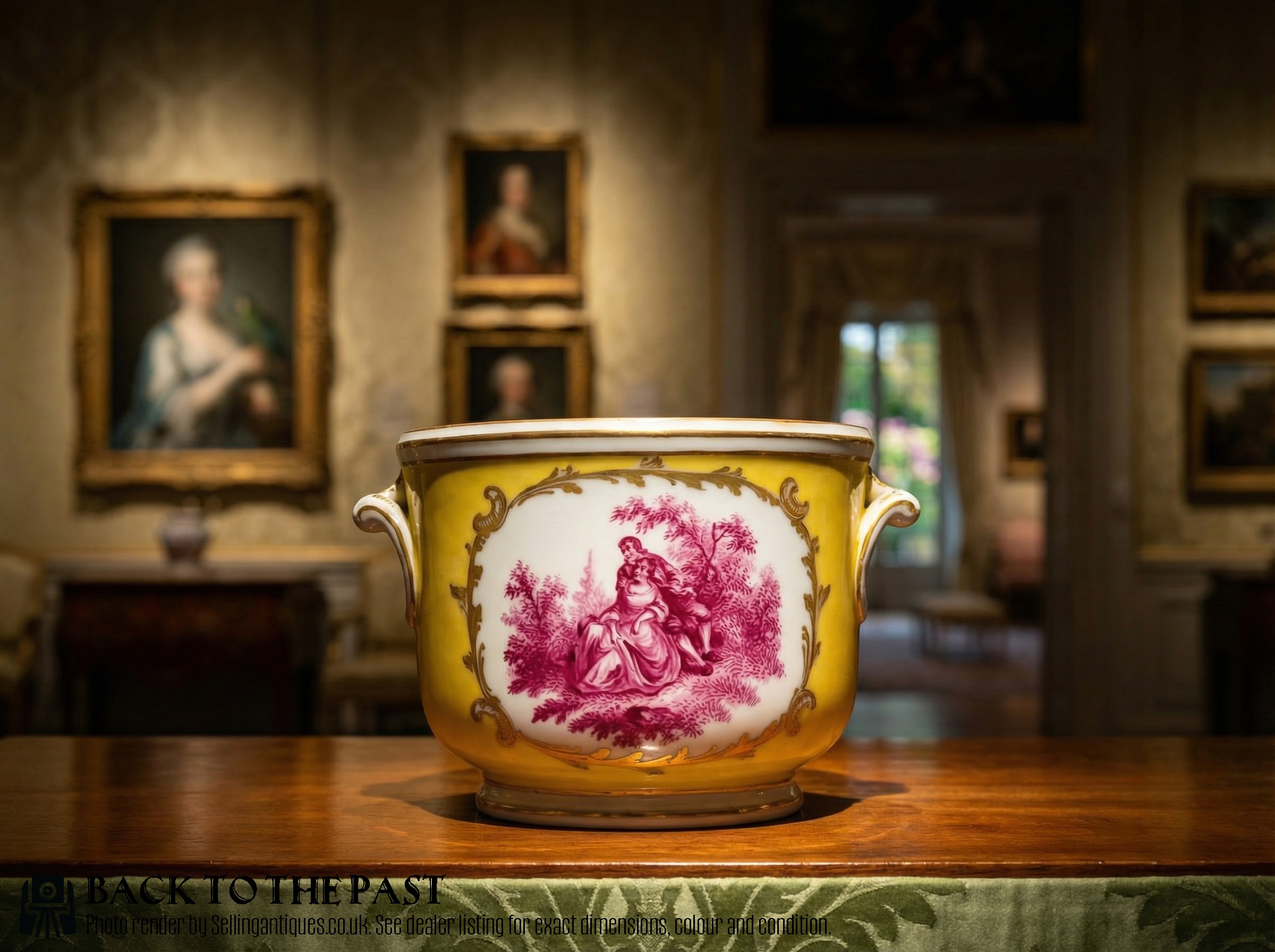
What 19th Century German Porcelain Is
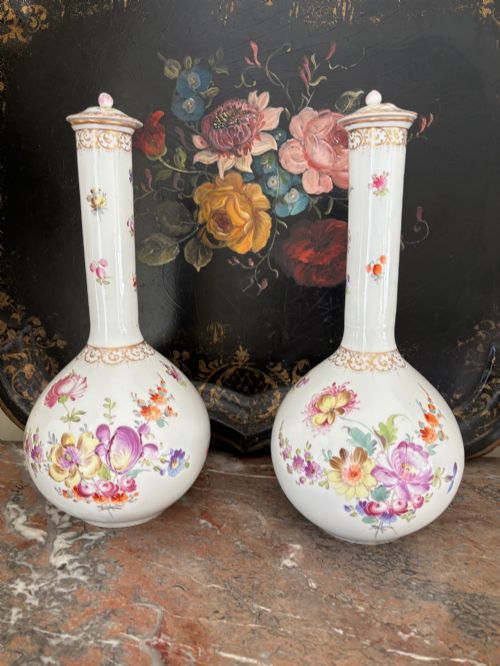
19th century german porcelain encompasses a rich variety of decorative objects, cabinet plates, and figurative works originating from renowned European kilns. Collectors seek these items for their intricate hand-painted scenes, historical significance, and diverse forms ranging from planters to delicate scent-bearing vessels.
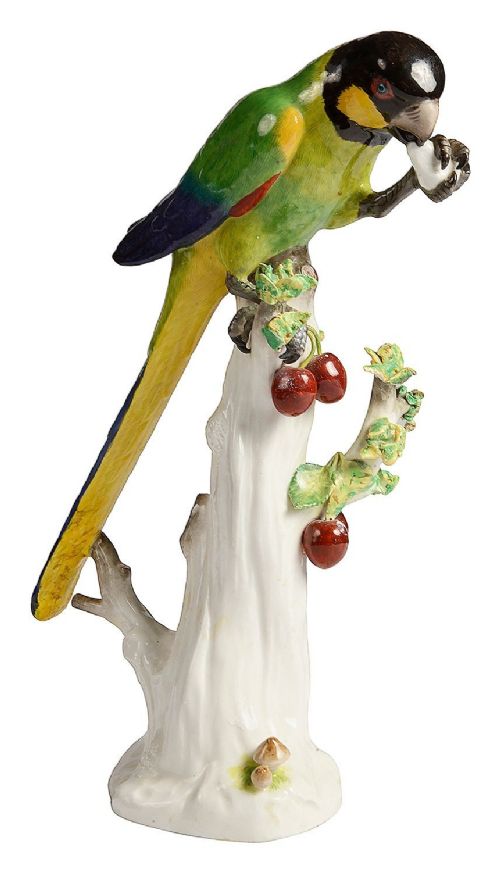
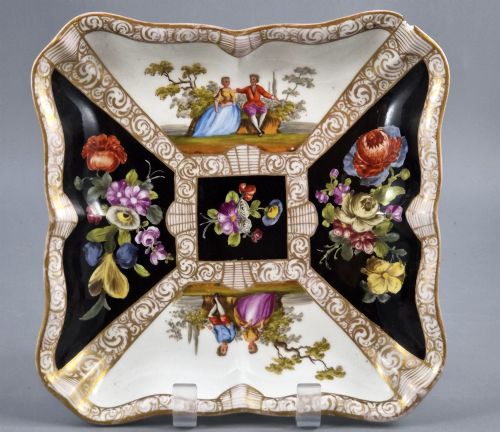
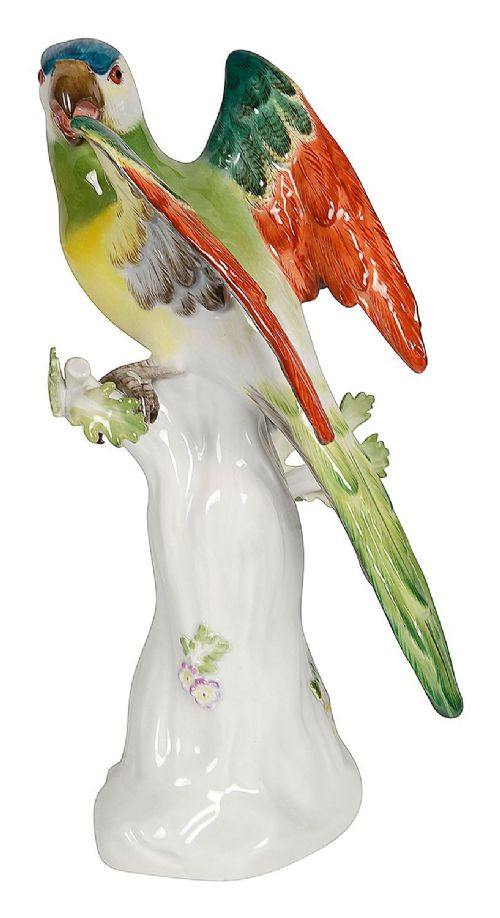
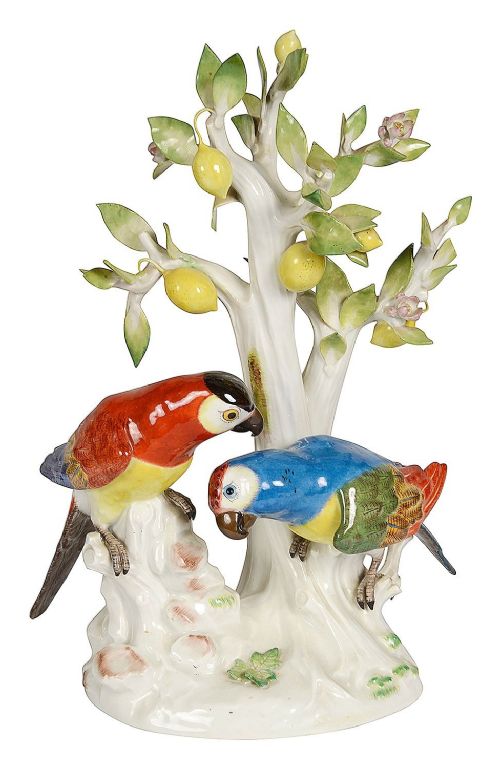
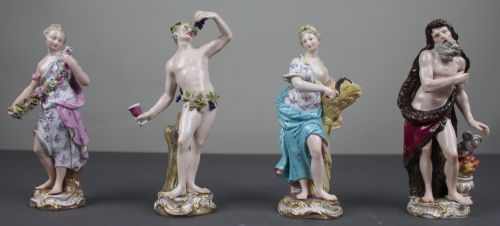
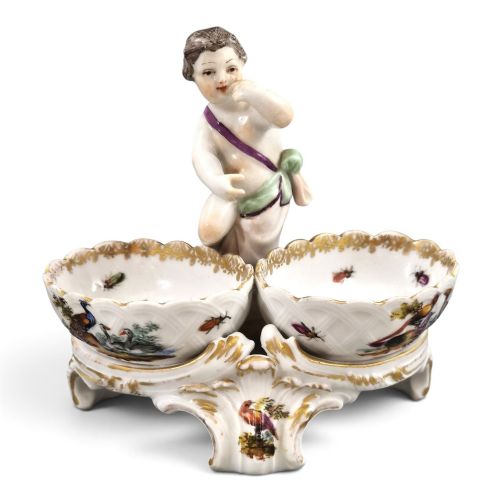
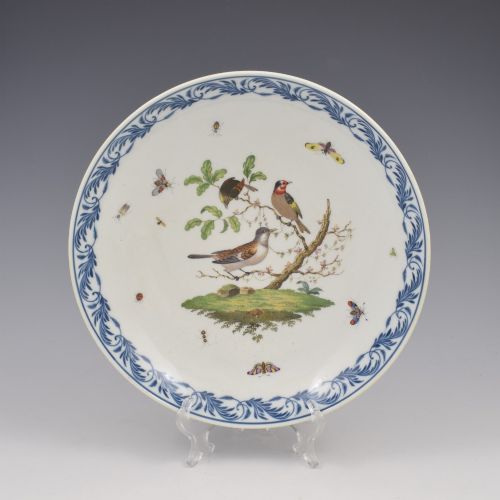
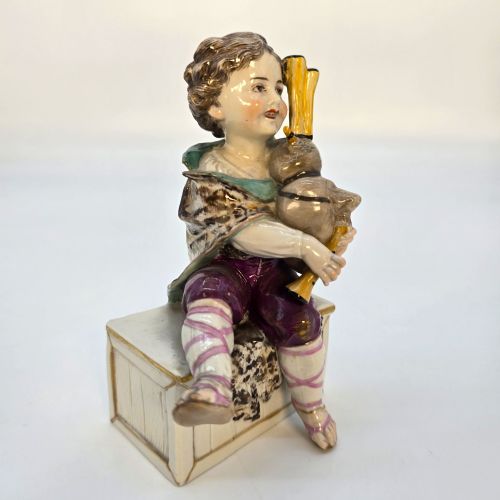
The pieces on this page heavily feature cabinet plates, decorative dishes, and finely modelled figures reflecting popular Victorian and Rococo Revival tastes. Works attributed to major centres such as Meissen, KPM Berlin, and Dresden dominate the selection available to buyers today.
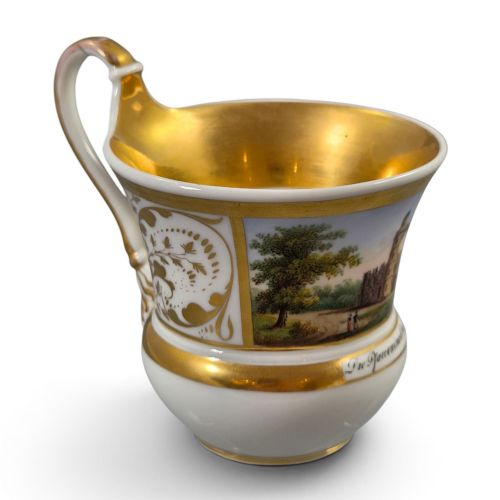
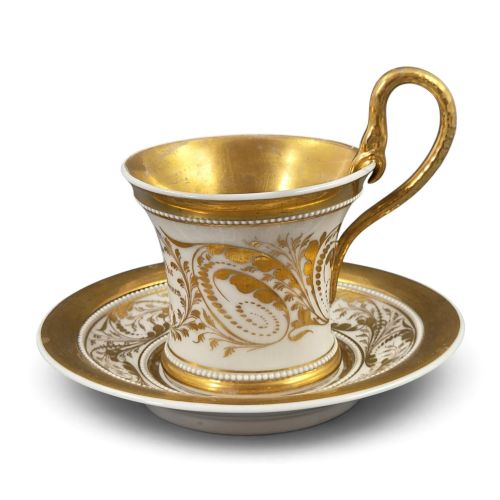
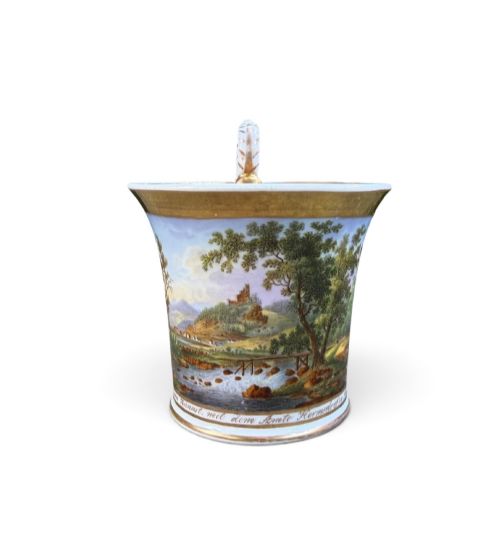
Functional items also appear within this category, including tobacco jars, double salts, trembleuse cups, and jugs adorned with floral motifs and gilt highlights. Each piece represents the technical mastery and aesthetic ambition of Central European ceramic traditions during the eighteen-hundreds.
How They Were Made
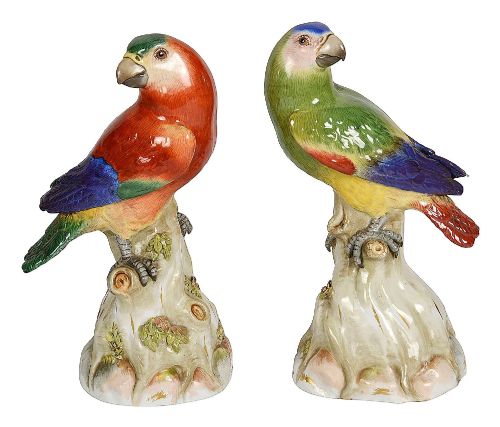
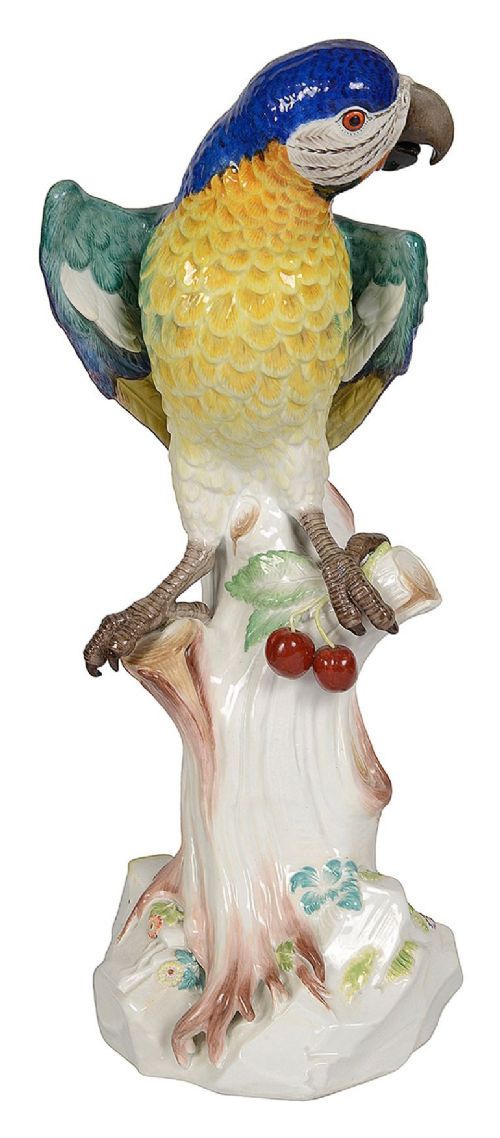
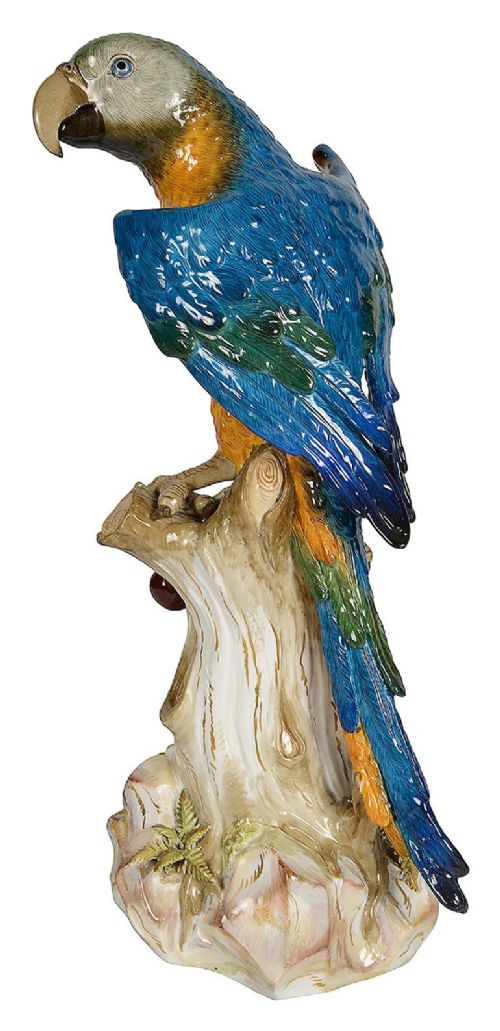
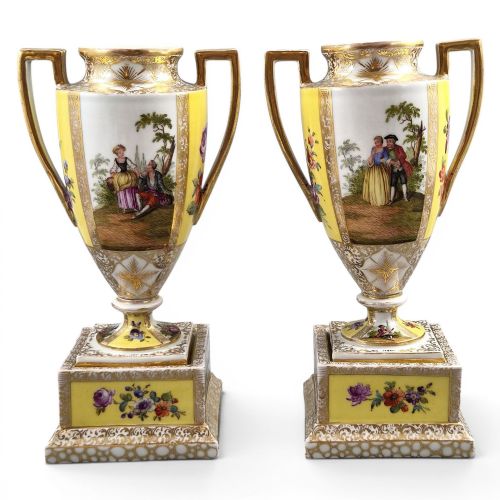
Potters utilised hard-paste porcelain, a durable ceramic composition fired at extremely high temperatures to achieve a vitrified, dense body. Artisans then applied rich overglaze enamel colours and meticulous hand-painting to depict birds, courtly figures, and botanical studies.
Gilding with gold leaf added opulent borders and highlights to plates, cups, and decorative dishes, often complemented by intricate moulded details in relief. Clear or tinted glazes sealed the surfaces, protecting the pigments and providing the signature glossy finish characteristic of these works.
Retail Price Guide 2026
Typical UK retail prices for 19th century german porcelain, calculated from the Sellingantiques database of over a million retail prices indexed since 2003. This retail price guide relies exclusively on Sellingantiques data; no external sources or auction records are used, so the figures do not describe the wider market.
Listings feature hard-paste porcelain forms ranging from Rococo Revival cabinet plates to painted figures and planters.
What Varies in Quality
The refinement of the hand-painted decoration marks the primary division between standard production and exceptional work. Superior examples display precise brushwork, nuanced shading, and intricate detailing in subject matter such as ornithological studies or gallant scenes.
The crispness of the porcelain moulding and the application of gold leaf further distinguish finer pieces. Well-executed relief work and well-preserved gilding reflect the skill of the original factory and the preservation of the object over time.
Meissen·Helena Wolfsohn·KPM Berlin·Conta and Boehme
The 19th Century German Porcelain Glossary
- Hard-paste Porcelain
- A dense, durable ceramic material fired at high temperatures using kaolin and petuntse. This composition provides the strong foundation for nineteenth-century European decorative wares.
- Overglaze Enamel
- Coloured glass fluxes painted on top of a fired glaze and fixed with a secondary, lower-temperature firing. This technique allows for a broad palette of vibrant pigments on plates and figures.
- Gilding
- The application of gold leaf or powdered gold to the surface of ceramics for decorative effect. It highlights rims, handles, and painted borders on cabinet pieces.
- Trembleuse
- A specialised cup and saucer combination featuring a raised ring in the saucer to hold the cup securely. This design prevented spills among nobility during breakfast service.
- Cachepot
- An ornamental container designed to hold a flowerpot and conceal its base. These ceramic vessels often feature hand-painted scenes and moulded handles.
Frequently Asked Questions
What is hard-paste porcelain?
Hard-paste porcelain is a durable ceramic material made from kaolin and petuntse, fired at exceptionally high temperatures. This process results in a dense, non-porous body that withstands intricate moulding and holds detailed overglaze painting.
Potters across nineteenth-century Germany relied on this robust medium to create everything from delicate figurines to large cabinet plates and vessels.
How do I care for antique porcelain?
Antique porcelain requires gentle handling and should be washed by hand in lukewarm water using mild soap. Avoid soaking pieces with gilt decoration or overglaze enamel to prevent wear on the delicate pigments.
Display items away from direct sunlight and extreme temperature fluctuations to protect the glaze and gold leaf over the long term.
What are cabinet plates?
Cabinet plates are decorative ceramic plates intended for display in a cabinet or on a wall rather than for daily dining use. They typically feature elaborate hand-painted scenes, gilded borders, and superior artistry.
Maker marks on the reverse often indicate production by prominent nineteenth-century German factories and studios.
How do I identify a Dresden style piece?
Dresden style porcelain often incorporates elaborate Rococo Revival motifs, floral sprays, and intricate hand-painted figures. The designation frequently refers to decorative wares produced in the wider Dresden region by various independent studios and decorators.
Detailed modelling, applied flowers, and rich overglaze enamel work serve as common visual indicators of this decorative tradition.