
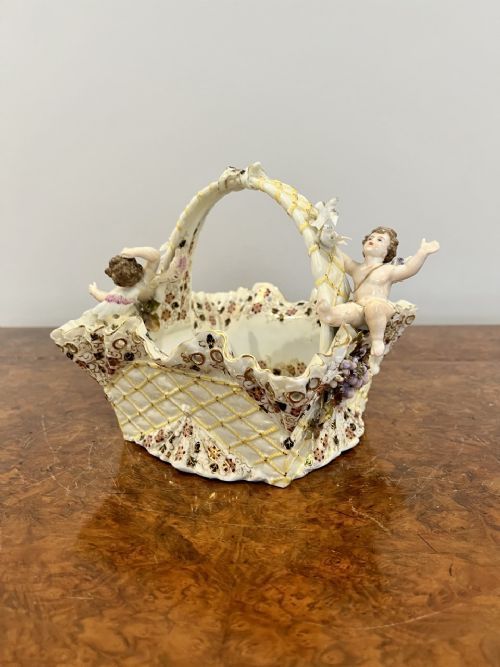


Victorian Meissen Porcelain
Victorian meissen porcelain brings together the sophisticated modelling of German factories and the ornate tastes of the nineteenth century in figures, tableware and lamps.
Victorian Meissen Porcelain
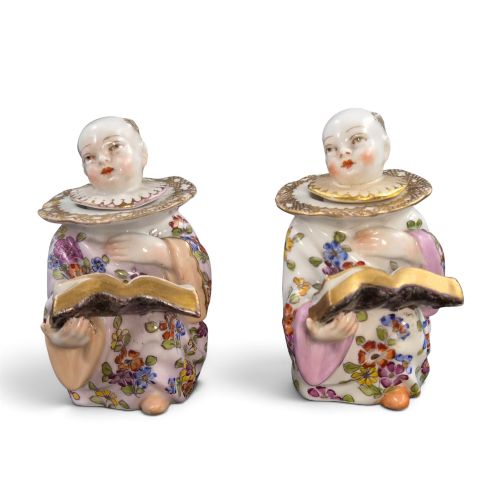
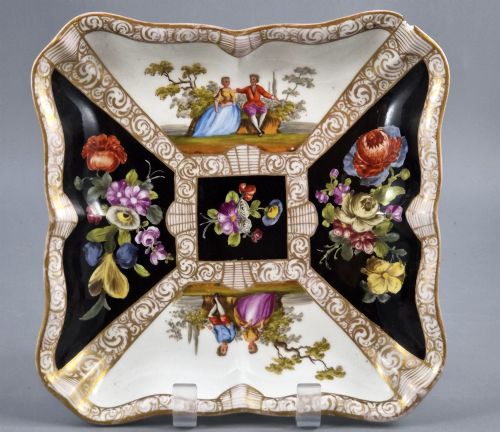
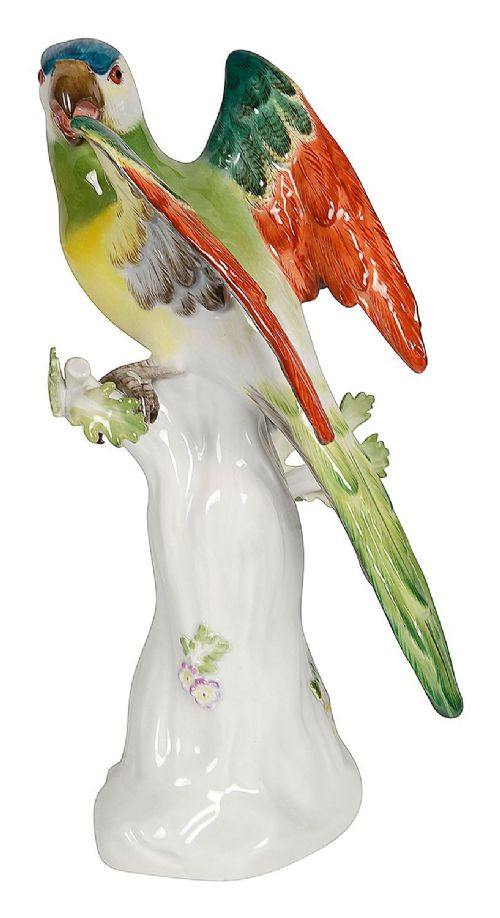
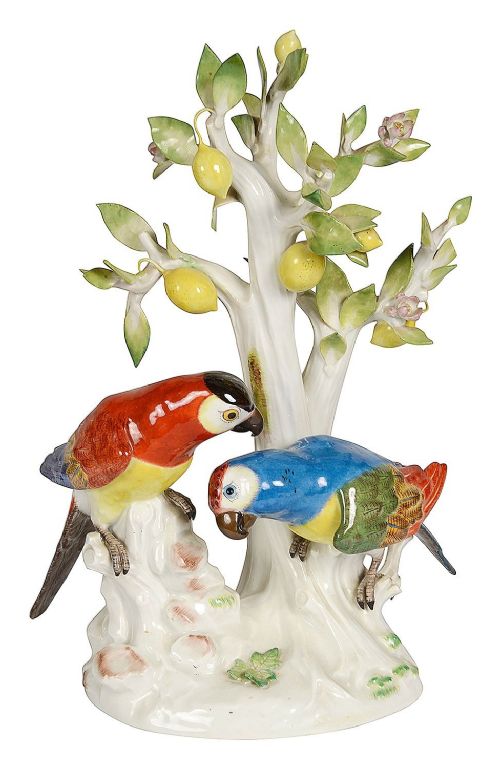
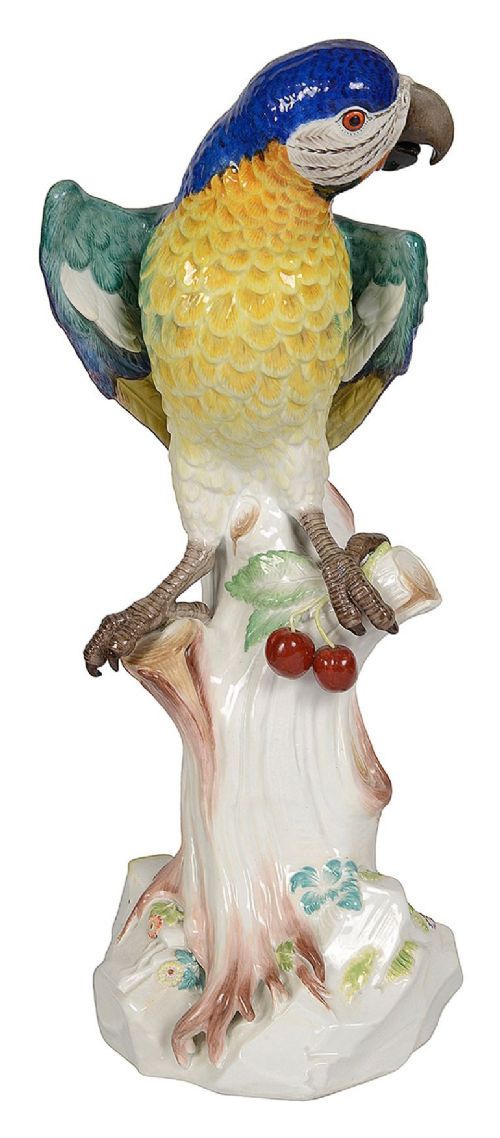
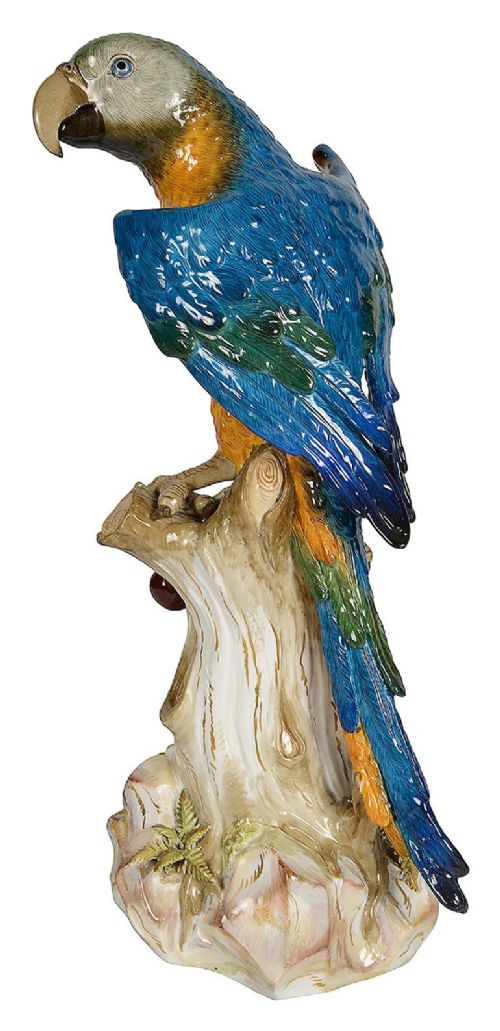
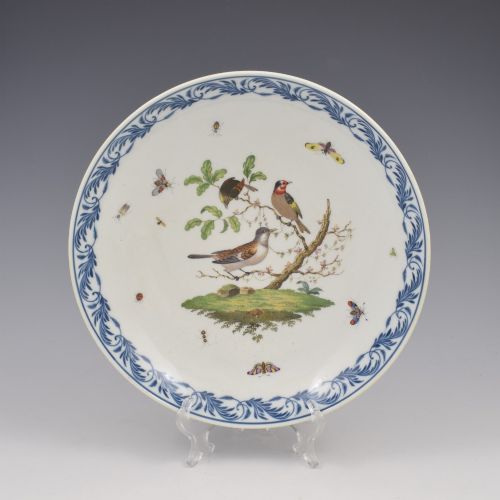
Victorian meissen porcelain encompasses a diverse array of nineteenth century decorative objects, including elaborate figurative groups, parrots, candelabra and painted dishes. These items reflect the historicist and rococo revival tastes popular during the Victorian period across European drawing rooms.
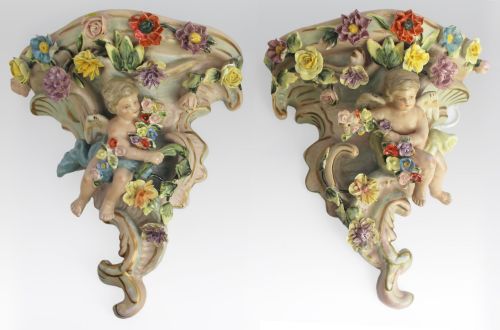
Table lamps, inkwells, wall corbels and compotier centre pieces demonstrate the practical application of this fine ceramic body alongside purely ornamental figures. The selection includes works produced directly by the Meissen manufactory as well as associated Dresden and Sitzendorf workshops working in a comparable German style.
Parrots, cherubs, mythological scenes after Boucher and floral motifs dominate the forms encountered on this page. Pieces range from demitasse cups to large mantel clock garnitures spanning the decades from eighteen fifty to nineteen hundred.
Quality and Execution
Quality rests primarily on the crispness of the modelling and the precision of the hand-painted enamel decoration. Superior examples display subtle shading in plumage and flesh tones, whereas lesser pieces show flatter, more hurried pigment application.
The finesse of the reticulation in pierced baskets and plates distinguishes finer production, along with the retention of original gilding without excessive rubbing. Heavier, more ambitious figural groups and large-scale birds demand advanced technical skill in kiln firing to prevent distortion.
Victorian Meissen Porcelain Retail Price Guide 2026
Typical asking prices for victorian meissen porcelain among the pieces listed under this phrase on Sellingantiques today, from the lower quarter to the upper quarter. They describe what is for sale here now, not the wider market.
Listings feature hard-paste porcelain objects spanning the Victorian era, utilising enamel, gilt, brass and glass materials across diverse decorative forms.
Edmé Samson·Wolfsohn Dresden·Augustas Rex·Helena Wolfsohn·Sitzendorf
The Victorian Meissen Porcelain Glossary
- Hard-paste porcelain
- A dense, vitrified ceramic composed of kaolin and petuntse fired at very high temperatures. This material provides the brilliant white ground characteristic of European factories.
- Crossed Swords Mark
- The iconic blue underglaze symbol utilised by the Meissen factory to authenticate its production. It appears in various forms across the nineteenth century.
- Reticulated
- Openwork decoration formed by cutting or piercing geometric or organic patterns into wet clay before firing. This technique appears on decorative plates and baskets.
- Garniture
- A set of three or more ornamental vases or vessels designed to be displayed together on a mantelpiece or sideboard. These sets often share matching floral or pictorial themes.
- Comport
- A decorative dish or shallow bowl raised on a central stem, used as a table centre piece for fruit or sweetmeats during Victorian dining.
Victorian Meissen Porcelain: Frequently Asked Questions
How can I identify genuine nineteenth century pieces?
Examine the underside for factory marks such as the blue crossed swords or AR monograms applied beneath the glaze. Stylistic indicators like nineteenth century historicism and rococo revival moulding also help anchor the date.
Closer inspection of the hand-painted enamels reveals the characteristic palette and brushwork of the period. Subtle variations in paste and weight distinguish genuine continental porcelain from later reproductions.
Were these porcelain figures used or displayed?
Most figural groups, parrots and decorative vases served as ornamental displays on mantelpieces, brackets and side tables within affluent Victorian drawing rooms. They were intended to signal refinement and cultural awareness to visiting guests.
Certain items like inkwells, demitasse cups and table oil lamps also fulfilled practical domestic functions. Their dual role as decorative art and utility objects made them popular gifts.
How do I care for antique porcelain at home?
Keep pieces out of direct sunlight to prevent the hand-painted enamels and gilt highlights from fading over time. Dust gently with a soft, dry brush rather than utilising chemical cleaners.
Avoid placing items in high-traffic areas where they might be accidentally knocked or displaced. Stable interior humidity protects both the ceramic body and any historical brass or wood mounts.
What is the difference between Meissen and Dresden porcelain?
Meissen refers specifically to the historic Saxon manufactory that originated hard-paste porcelain production in Europe. Dresden acts as a broader regional term encompassing multiple independent studios and decorator workshops.
Many Dresden establishments, including those associated with Helena Wolfsohn, produced pieces in the Meissen style utilising similar floral motifs and blue monograms. Collectors evaluate each workshop based on its distinct artistic execution.