





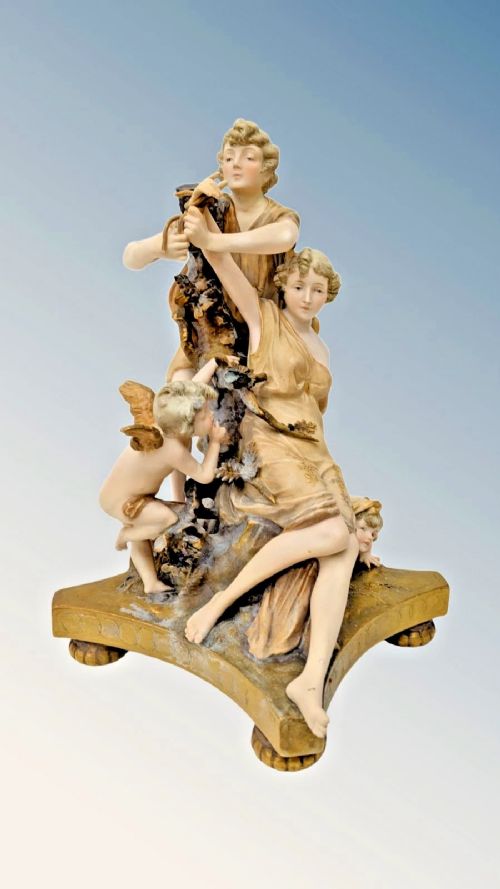
Gilded Porcelain Sculpture
These gilded porcelain sculpture pieces combine sculptural form with hand-applied gold leaf, bringing detailed character studies and classical figures into domestic interiors.
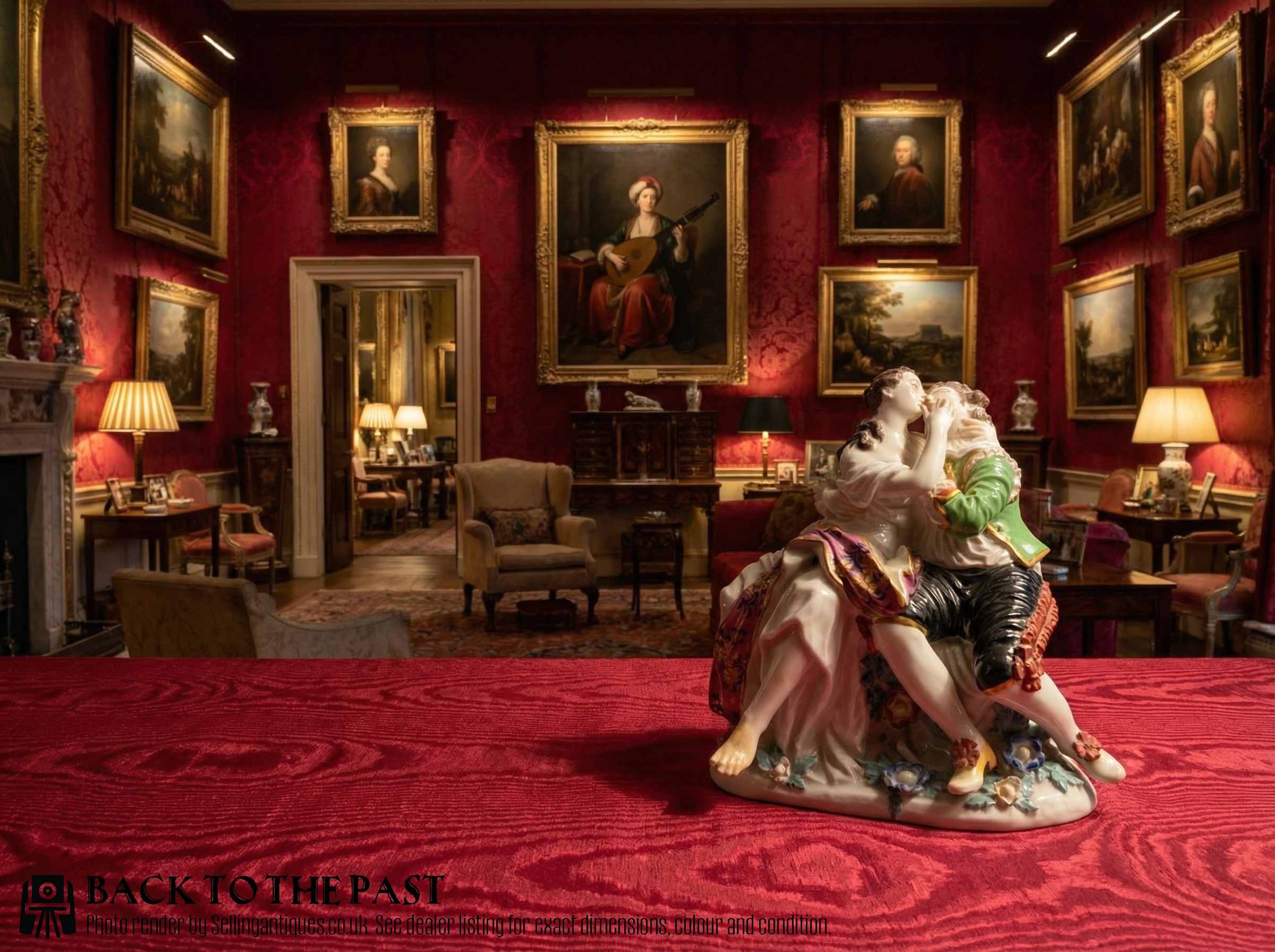
Gilded Porcelain Sculpture
A gilded porcelain sculpture brings together glazed ceramic forms and metallic gold highlights, ranging from intricate 18th-century European allegorical figures to Japanese Kutani and Satsuma wares from the Meiji period.
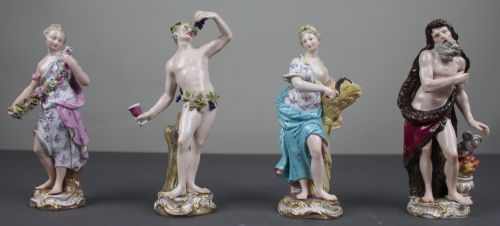
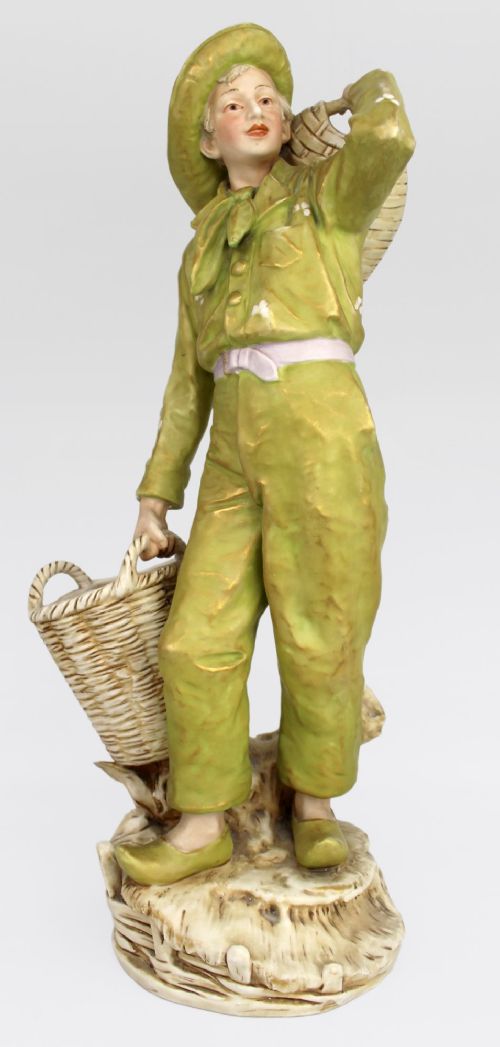
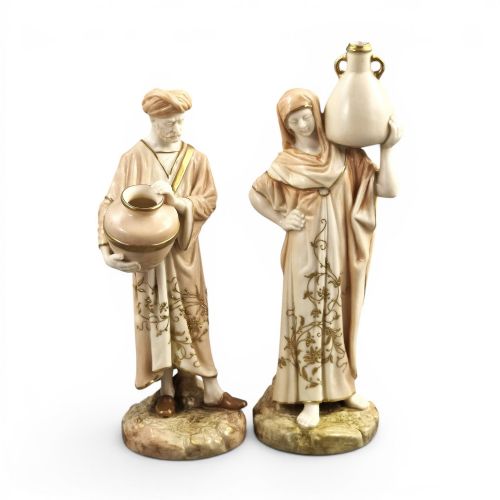
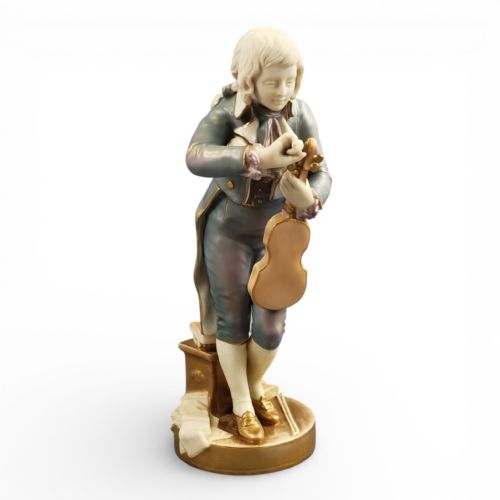
The selections span figures, groups, and large jardinieres, with Victorian porcelain works by Royal Worcester sharing space with Meissen groups and Art Nouveau models.
Buyers encounter subjects running from classical deities and musicians to seasonal personifications and traditional Asian icons, all finished with distinct enamel and gilt accents.
Materials and technique
Makers shaped hard-paste porcelain or earthenware bodies by hand or in moulds, applying intricate enamel colours and relief decoration before high-temperature firing.
Gilding was applied using gold leaf or liquid gold highlights, often fixed by a secondary low-temperature firing to bond the precious metal to the glazed surface.
Gilded Porcelain Sculpture Retail Price Guide 2026
Typical asking prices for gilded porcelain sculpture among the pieces listed under this phrase on Sellingantiques today, from the lower quarter to the upper quarter. They describe what is for sale here now, not the wider market.
Meissen modellers occasionally hid tiny mice inside large floral baskets.
Judgement of quality
The preservation of the original gilding and enamels dictates the integrity of the piece, alongside the clarity of factory marks and model numbers pressed into the paste.
Meissen·Royal Worcester·Royal Dux Bohemia·Makuzu Kozan II·Achille Mollica
The Gilded Porcelain Sculpture Glossary
- Hard-paste porcelain
- A dense, vitrified ceramic compound made from kaolin and petuntse fired at very high temperatures. This material resists scratching and holds sharp sculptural details.
- Moriage
- A decorative Japanese ceramic technique using clay trails applied to the surface before firing to create raised, textured patterns. Artisans often painted these relief areas with vibrant enamels and gilt.
- Bisque
- Unglazed ceramic porcelain that has undergone a single firing to create a matte, biscuit-like texture. It resembles marble and allows fine anatomical carving to remain crisp.
- Enamel
- Opaque or translucent glass-based pigments fused to the porcelain surface during kiln firing. These colours provide the rich palette seen on robes, hair, and floral elements.
- Gilding
- The application of gold leaf or powdered gold to specific areas of a finished porcelain object. This technique accentuates robes, bases, and decorative motifs.
Gilded Porcelain Sculpture: Frequently Asked Questions
What periods do these pieces date from?
The selection includes 18th-century figures from European factories alongside 19th-century Victorian works and early 20th-century Japanese okimono.
Craftsmen across these eras utilised traditional moulding and hand-painting methods to produce detailed decorative sculptures.
How were these sculptures displayed originally?
These figures sat upon mantelpieces, dining tables, and within cabinet displays as centerpieces of status and refinement in period homes.
Wealthy patrons collected matching sets, such as the four seasons or allegorical groups, to converse on classical and literary themes.
How do I identify different factory marks?
European manufactories stamped or painted their unique emblems, such as crossed swords or royal ciphers, directly onto the unglazed base.
Japanese Satsuma and Kutani wares often bear artist signatures or kiln seals inscribed within the paste or applied in gold over the glaze.
How should I care for gilded porcelain?
Keep these sculptures out of direct sunlight to prevent fading on hand-painted enamel surfaces and delicate gold leaf highlights.
Dust the pieces gently with a soft dry brush, avoiding liquid cleaners or abrasive cloths that might damage the fragile gilt and glaze.