





18th Century Porcelain Group
An 18th century porcelain group brings sculptural storytelling to a room, capturing mythological scenes, pastoral idylls, and theatrical figures in modelled ceramic.
18th Century Porcelain Group
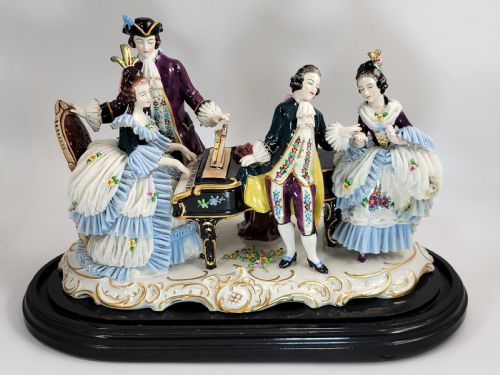
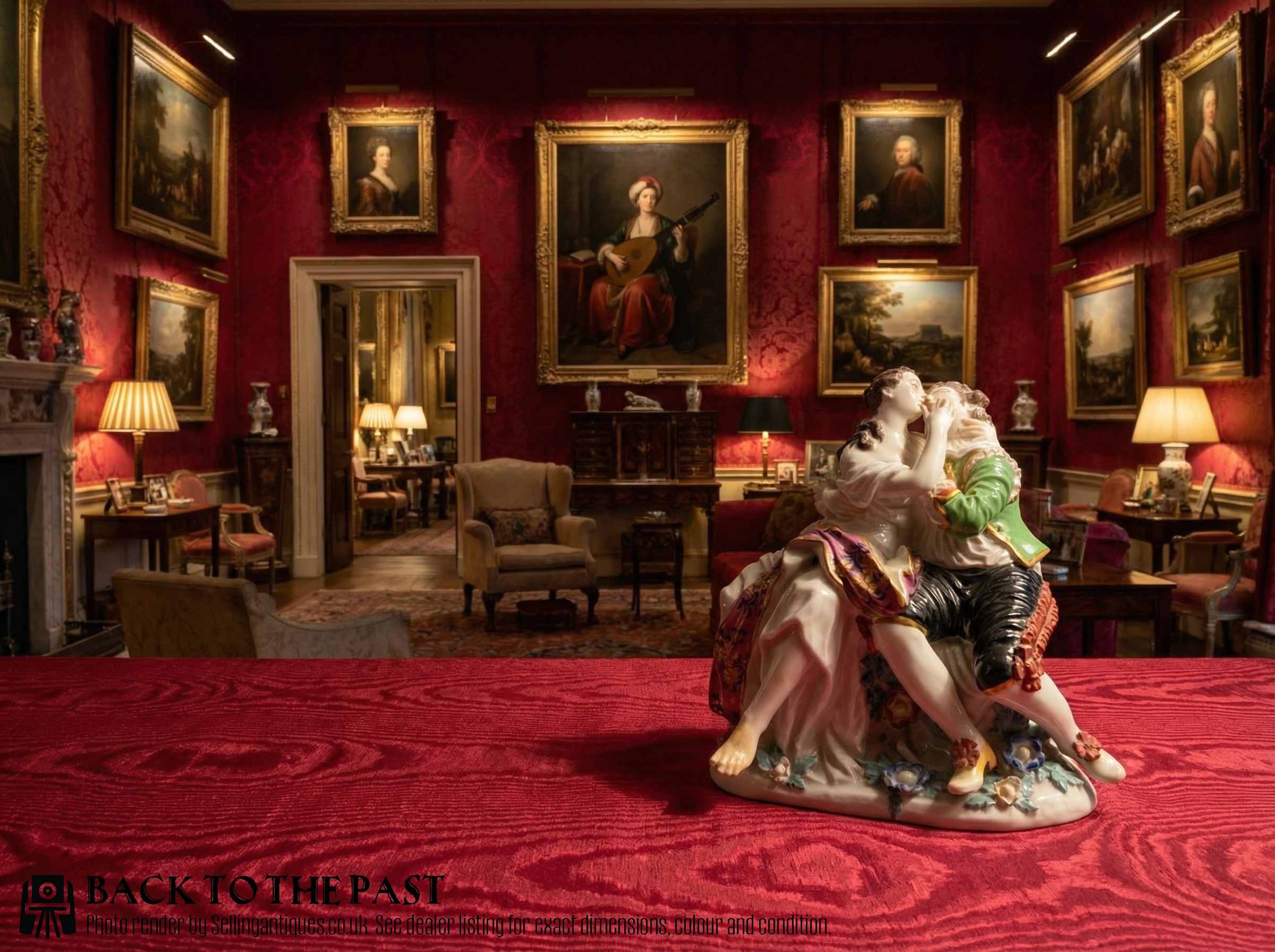
An 18th century porcelain group typically depicts multiple figures engaged in a narrative, whether mythological subjects like Pluto and Cerberus, allegorical representations such as The Four Elements, or pastoral scenes of gardeners and lovers. These sculptural compositions frequently incorporate detailed structural elements like leafy bocage backgrounds or architectural mounts.
The versions most commonly met on this page originate from major European factories of the Georgian era, most notably Meissen and Derby. They range from small cabinet sculptures to large, complex figure groups decorated with polychrome enamels and gold leaf.
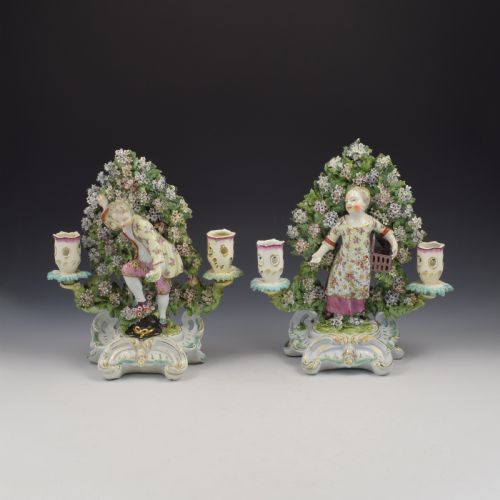
Beyond standalone figural groups, the selection includes functional objects incorporating ceramic sculpture, such as porcelain candlestick figures and mounted ormolu pieces. These items combine utilitarian purpose with intricate figural modelling characteristic of the Rococo and Neoclassical styles.
How they were made
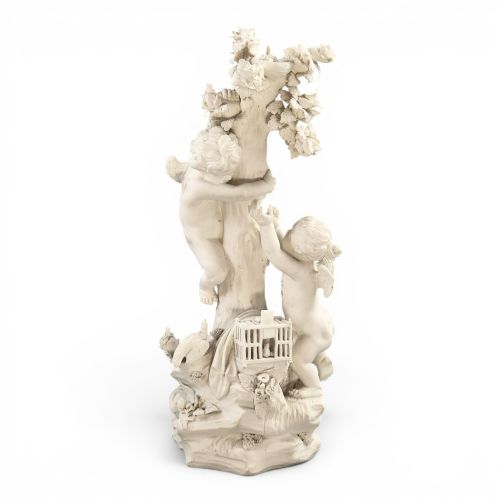
Manufacturers utilised either soft-paste or hard-paste porcelain, depending on the factory and period, shaping the clay through press-moulding and hand-modelling intricate details like lace, hair, and foliage. Biscuit porcelain was also employed unglazed for a matte, marble-like finish seen in classical figure groups.
The moulded ceramic pieces received hand-painted enamel decoration and gilding, often fixed in a muffle kiln to bond the colours and gold leaf to the glazed or biscuit surface. Complex groups required multiple firings to set the body, the underglaze details, and the overglaze enamels separately.
18th Century Porcelain Group Retail Price Guide 2026
Typical asking prices for 18th century porcelain group among the pieces listed under this phrase on Sellingantiques today, from the lower quarter to the upper quarter. They describe what is for sale here now, not the wider market.
Listings feature works in soft-paste porcelain, hard-paste porcelain, and unglazed biscuit porcelain, spanning the Rococo, Neoclassical, and later revival styles.
What varies in quality
The palette and execution of the hand-painted enamels and gilding vary significantly across the range, with superior examples displaying controlled brushwork, vibrant tones, and carefully placed gold leaf accents that enhance the sculptural form rather than obscure the ceramic body.
Meissen·Derby·Ernst Bohne Söhne·Volkstedt·Ludwigsburg
The 18th Century Porcelain Group Glossary
- Bocage
- An applied background of leaves, branches, and flowers made of porcelain, frequently found framing eighteenth-century figural groups and candlestick figures.
- Biscuit Porcelain
- Unfired or unglazed porcelain fired to a porous, matte white finish resembling marble, popular for neoclassical figures.
- Hard-Paste Porcelain
- A durable ceramic body composed of kaolin and petuntse fired at high temperatures, characteristic of continental factories like Meissen.
- Soft-Paste Porcelain
- An artificial porcelain body containing glass frit and white clay, fired at lower temperatures, producing a warm glaze and softer translucency.
- Ormolu
- Gilded bronze used for decorative mounts, stands, and frames, sometimes combined with porcelain figures and ceramic sculptures.
18th Century Porcelain Group: Frequently Asked Questions
What subjects do these figures show?
These groups depict a wide range of subjects drawn from classical mythology, literature, and contemporary social life. Common themes include allegorical figures, pastoral pairs, and theatrical characters.
mythological figures such as Pluto, Father Time, and allegories of the elements also appear frequently in factory production.
How do I identify a Meissen group?
Meissen pieces from this period are characterised by refined modelling, sophisticated enamel painting, and distinct Rococo or Neoclassical styling. Many feature specific model numbers and stylistic traits associated with the factory's eighteenth-century output.
Factory origins are typically identified through stylistic markers, modelling techniques, and factory standards of the period.
What is biscuit porcelain?
Biscuit porcelain is unglazed ceramic that has been fired to a matte, white finish resembling carved marble. It was favoured for neoclassical sculptures and allegorical figure groups to highlight fine modelling.
This finish allowed sculptors to display intricate anatomical details and drapery without the reflective interference of a glossy glaze.
How were candlestick figures used?
Candlestick figures combined functional metal or ceramic candle sockets with decorative porcelain sculptural groups. They were placed on mantelpieces and tables to provide illumination alongside decorative display.
The figural components, often featuring musicians or children among bocage foliage, served as ornamental centerpieces in period interiors.