



Gilded Porcelain Tray
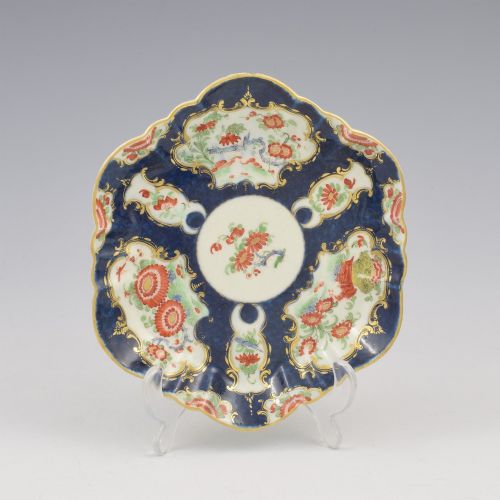
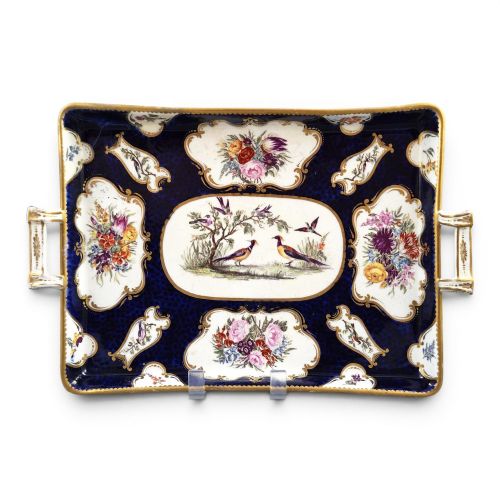
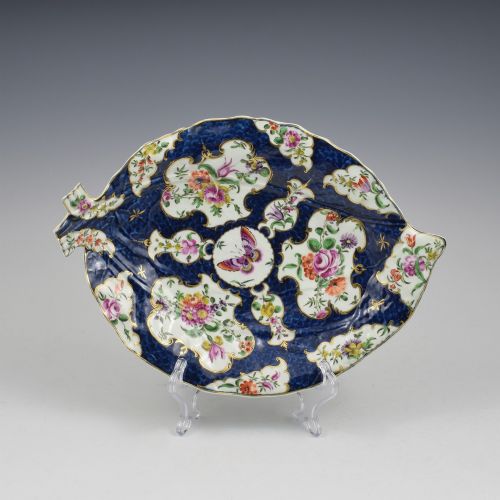
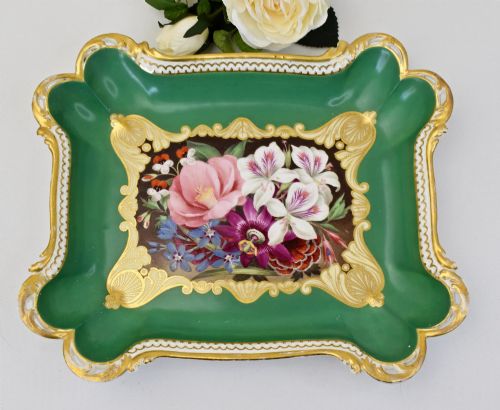
A gilded porcelain tray brings hand-painted scenes, cobalt grounds and gold leaf together for display or service.
Gilded Porcelain Tray
When you search for a gilded porcelain tray, you encounter serving dishes, cabinet pieces and platters dating from the eighteenth century to the early twentieth century. The forms range from simple oval and square dishes to elaborate shell shapes, fan shapes and inkstands mounted in gilt bronze.
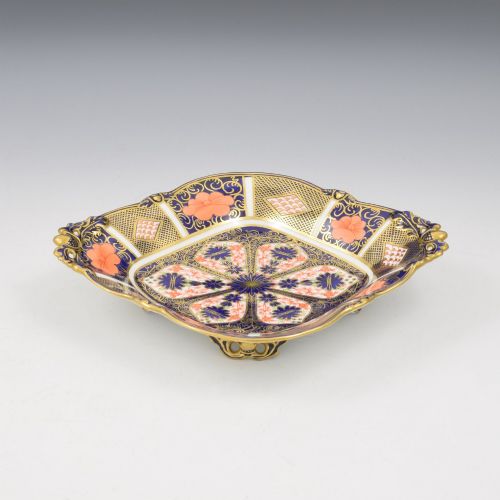
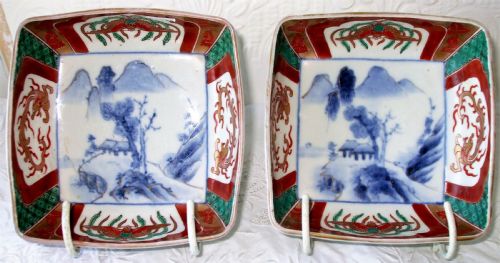
The versions most frequently met on this page include nineteenth-century English and continental factory wares, alongside Japanese Meiji period Imari and Kutani items. Pieces span periods from the Georgian era and Regency through to Victorian, Edwardian and later nineteenth-century French manufacture.
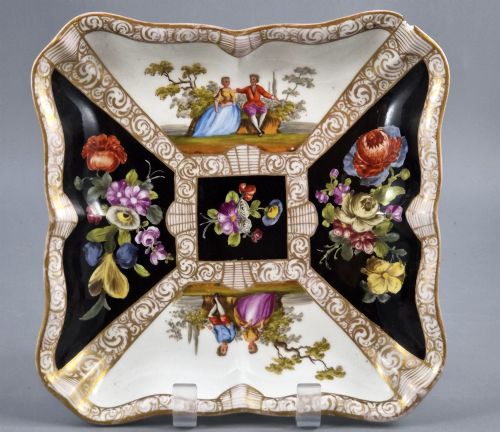
Many items function as decorative dishes or serving trays, whilst others form part of larger breakfast or dessert sets. They display varied aesthetics from Rococo Revival curves and classical mythological scenes to botanical studies and traditional Japanese patterns.
Materials and technique
Makers utilised hard-paste porcelain, soft-paste porcelain and bone china as the ceramic base for these trays. Potters shaped the clay by hand or moulded it into forms such as fluted edges, pierced rims and twin-handled serving dishes.
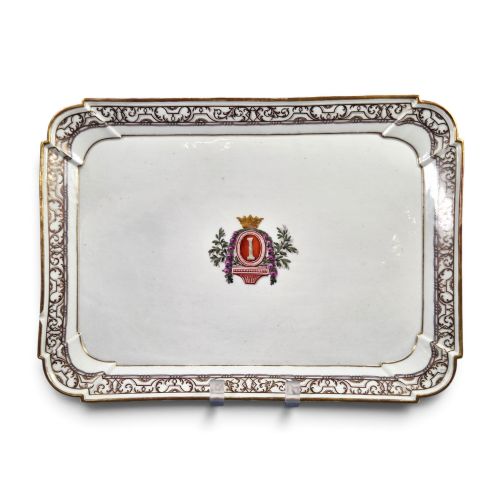
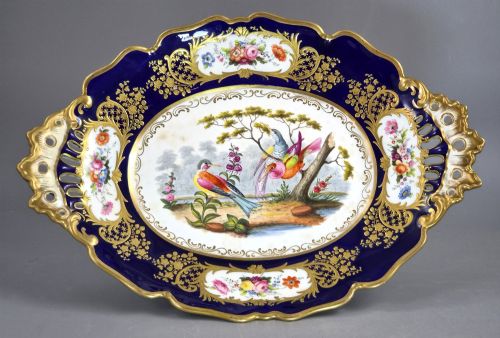
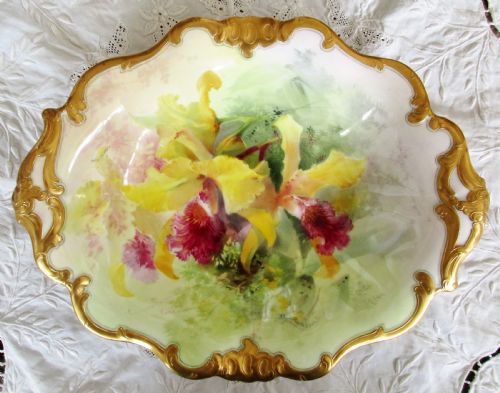
Decoration relied upon enamel painting, cobalt blue grounds and hand-applied gold leaf or liquid gilding. Artisans often combined intricate transfer printing or hand-painted botanical sprays and figural scenes with heavy gilt borders.
Gilded Porcelain Tray Retail Price Guide 2026
Typical asking prices for gilded porcelain tray among the pieces listed under this phrase on Sellingantiques today, from the lower quarter to the upper quarter. They describe what is for sale here now, not the wider market.
Form types range from cabinet dishes and serving trays to inkstands and chargers in porcelain and bone china.
What varies in quality
The standard of painting separates standard factory production from exceptional studio work, particularly in detailed hand-painted figures, exotic birds and botanical fruit studies by named artists. Precision in the moulding, such as sharp relief on Rococo scrollwork or clean lines on pierced rims, distinguishes finer examples.
The application and preservation of the gilding determine much of the visual weight and finish. Rich, burnished gold leaf applied thickly across handles and borders retains its brilliance far better than thin, rubbed gilt washes.
Royal Crown Derby·Ludwigsburg Porcelain·Coalport·Meissen·Worcester·Royal Doulton·James Giles·Doe and Rogers·Carlton Ware·Paul Müller Selb·Royal Worcester·Kutani·Sevres·Vienna·Ridgway·Minton·Spode·Duesbury and Kean·Dresden·Helena Wolfsohn·KPM·Barr Flight and Barr
The Gilded Porcelain Tray Glossary
- Soft-paste porcelain
- A ceramic composition fired at lower temperatures than hard-paste, featuring a glassy body often found in eighteenth-century English wares. This material absorbs glaze differently and frequently displays a warmer tone.
- Hard-paste porcelain
- A true porcelain made from kaolin and petuntse fired at high temperatures to create a dense, vitrified body. It resists scratching and forms the basis of most continental and later factory production.
- Imari pattern
- A traditional Japanese decorative style utilising underglaze blue, iron red and abundant gold on white porcelain. European factories frequently copied these vibrant palettes throughout the eighteenth and nineteenth centuries.
- Gilding
- The application of gold leaf, powder or liquid to ceramic surfaces, usually fired in a kiln to bond with the glaze. It highlights rims, handles and decorative borders.
- Bone china
- An English ceramic body incorporating bone ash, known for its milky translucency and strength. It allowed makers to produce thinner trays and delicate pierced serving dishes.
Gilded Porcelain Tray: Frequently Asked Questions
How were gilded porcelain trays used?
These trays served functional roles on dining tables and desks, holding sweetmeats, fruit, visiting cards or writing implements. Many pieces also acted as cabinet dishes for display in drawing rooms.
Larger platters carried desserts or breakfast items, whilst smaller trays organised inkwells and pens on writing desks.
How do I identify the period of a tray?
Examine the paste, glaze characteristics and any factory marks or pattern numbers painted on the underside. Stylistic clues such as Regency shapes or Victorian floral motifs also help narrow down the date.
Comparing the painting technique and the quality of the gilding against known factory timelines provides further chronological context.
What is the difference between soft-paste and hard-paste?
Soft-paste porcelain is an artificial ceramic body containing glass frit, fired at lower temperatures to produce a softer, warmer glaze texture typical of early English factories. Hard-paste is a true porcelain containing kaolin fired at extreme heat.
Hard-paste feels denser, rings more clearly when tapped, and resists scratching far better than its softer counterpart.