


Antique Porcelain Pin Tray
These antique porcelain pin trays span domestic and decorative production from the nineteenth century to the mid-twentieth century, offering small, finely painted surfaces that catch the eye on a dressing table or desk.

Antique Porcelain Pin Tray
When you search for an antique porcelain pin tray, you encounter small decorative dishes, vide poche forms, shaped plates and serving trays that double as receptacles for small personal items. The pieces on this page draw from nineteenth-century Victorian production, Edwardian workshops, and later twentieth-century studios.
The forms range from traditional shell dishes and fan-shaped plates to rectangular serving trays and figural vide poche designs. Makers utilise porcelain, bone china, earthenware and enamel alongside gilt edges and gold leaf to finish each piece.
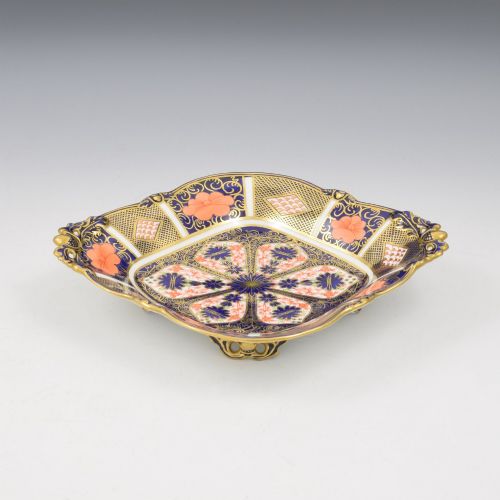
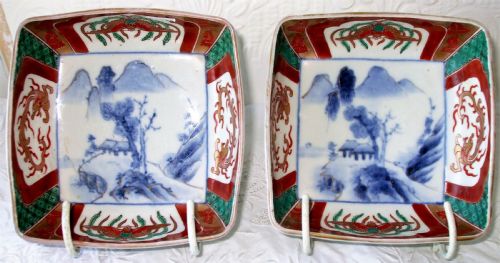
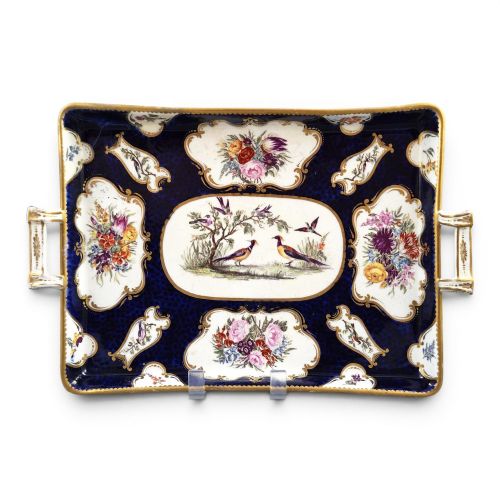
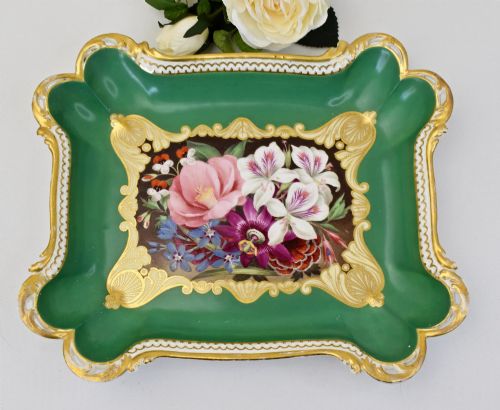
Stylistic influences vary across the selection, moving from English Imari and Rococo Revival to Japanese Meiji period motifs, Neoclassical depictions, and Art Nouveau or Art Deco lines. Buyers select these trays for their painted floral sprays, exotic birds and figural scenes.
How they were made
Potters shaped porcelain, bone china and earthenware using traditional moulding and casting techniques before applying hand-painted designs. Artisans frequently added gilt edges, gilding and gold leaf to accentuate the contours of shell dishes and shaped trays.
Decoration relied on skilled brushwork, seen in hand-painted floral sprays, fruit studies and mythological scenes executed by named artists. Firing at high temperatures ensured the ceramic body and enamel colours matured together.
Antique Porcelain Pin Tray Retail Price Guide 2026
Typical asking prices for porcelain pin tray among the pieces listed under this phrase on Sellingantiques today, from the lower quarter to the upper quarter. They describe what is for sale here now, not the wider market.
The listings span from the nineteenth century through the Edwardian era up to nineteen-fifty, utilising porcelain, bone china, earthenware, enamel and gold leaf.
What varies in quality
Quality rests in the precision of the hand-painting and the crispness of the porcelain moulding. Pieces bearing the signatures of known painters or established factory marks display superior brushwork and finer detail in subjects such as fruit or birds.
The application of gilding and gold leaf distinguishes standard production from finer output. Well-preserved enamel work and balanced composition across shaped trays and dishes elevate a piece within its period.
Royal Crown Derby·Royal Worcester·Carlton Ware·Helena Wolfsohn·Royal Dux·Wedgwood·Royal Copenhagen
The Antique Porcelain Pin Tray Glossary
- Vide poche
- French for empty pocket, this refers to a small tray or dish placed in a hallway or bedroom to hold coins, pins or keys. It often takes naturalistic forms such as shells or leaves.
- Imari
- A style of ceramic decoration originating in Japan and widely copied in Europe, characterised by underglaze blue and iron red with supplementary gold highlights. English Imari adaptations appear frequently on nineteenth-century trays.
- Blush ivory
- A ceramic finishing technique developed by Royal Worcester, producing a soft, matte cream ground that imitates ivory. It typically serves as a backdrop for delicate floral sprays.
- Champlevé
- An enamelling technique where troughs or cells are carved into a metal base and filled with vitreous enamel before firing. It appears on nineteenth-century trays combining metal mounts with ceramic or enamel panels.
- Gilding
- The application of gold leaf or gold powder to the surface of porcelain or metal. It provides borders and highlights on decorative dishes and serving trays.
Antique Porcelain Pin Tray: Frequently Asked Questions
What is a pin tray used for?
These small dishes served originally on dressing tables or desks to hold pins, collar studs and small trinkets. Today they function as decorative accents or catch-alls for modern accessories.
Their compact size allows them to sit neatly on side tables, mantelpieces or entryway consoles without dominating the surface.
How do I identify a Victorian tray?
Victorian pieces often display characteristic nineteenth-century stylistic markers such as Rococo Revival curves, Neoclassical subjects or dense floral hand-painting. Material choices and factory marks from the period help confirm the date.
Examining the footrim, the weight of the porcelain and any impressed or painted factory ciphers provides further context for attribution.
Are these trays painted by hand?
Many examples feature hand-painted decoration, sometimes signed by specific factory artists such as those from Royal Worcester. Artisans rendered floral sprays, exotic birds and mythological scenes directly onto the ceramic body.
Closer inspection under magnification reveals the brushstrokes and subtle variations that distinguish hand-applied work from transferred prints.
How should I display porcelain trays?
Small trays can be displayed flat on surfaces to showcase their painted interiors, or placed upright on plate stands to reveal the full design. Keeping them away from direct sunlight preserves the vibrancy of the enamel and gilding.
When grouping multiple trays, varying the shapes between fan patterns, shells and rectangular forms creates an engaging visual arrangement.