

White Porcelain Figures
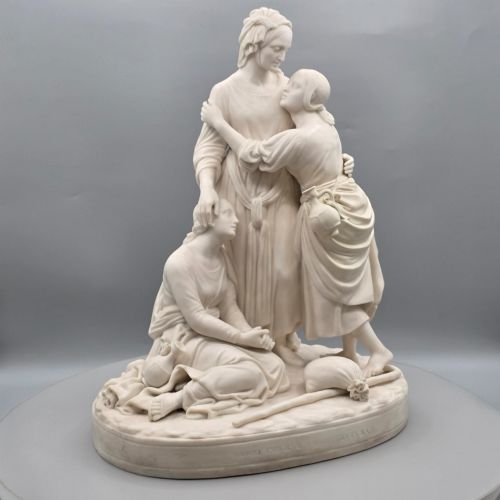
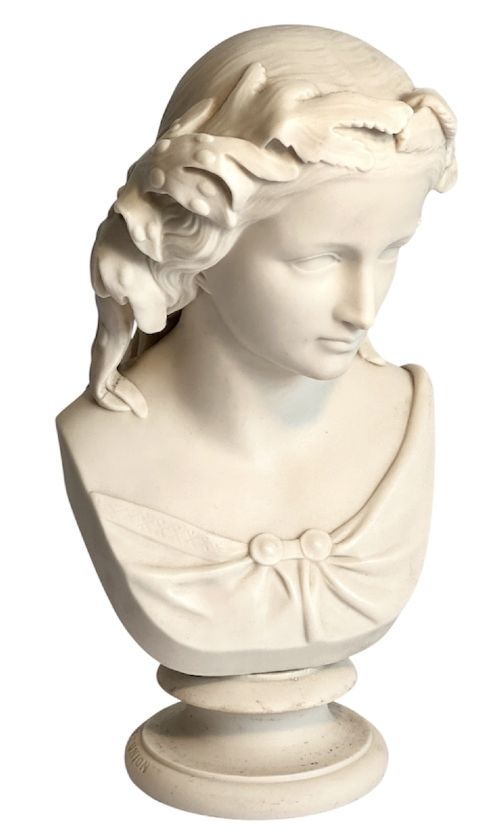
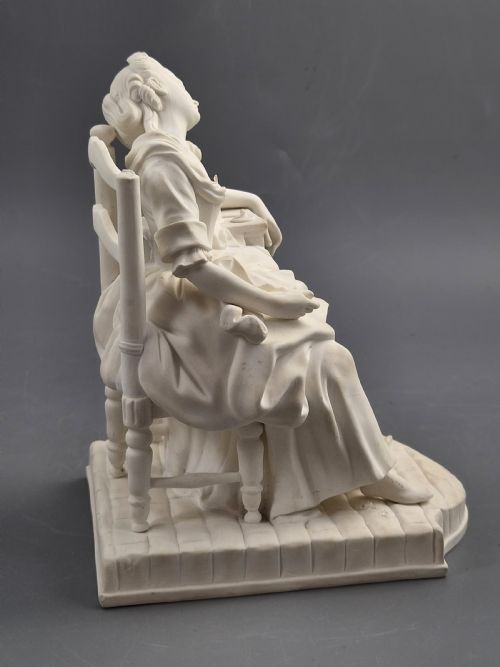
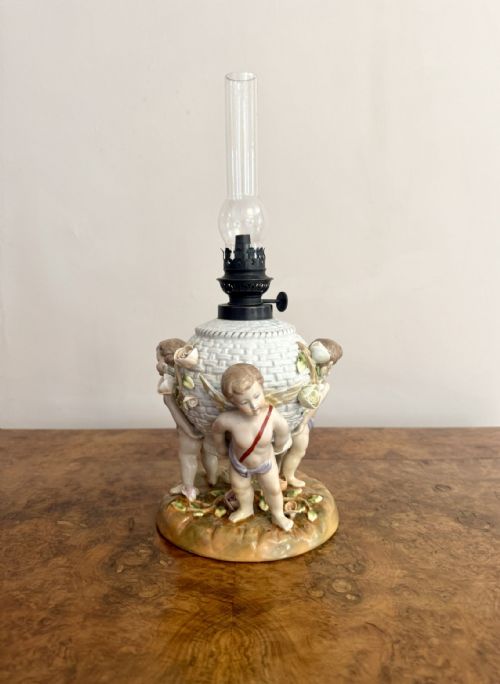
White porcelain figures bring crisp monochrome form to a room, offering sculptural detail that captures light without the distraction of colour.
What white porcelain figures are
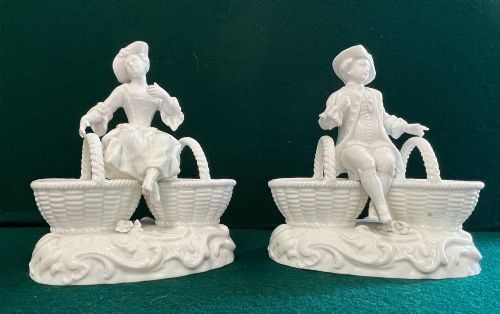
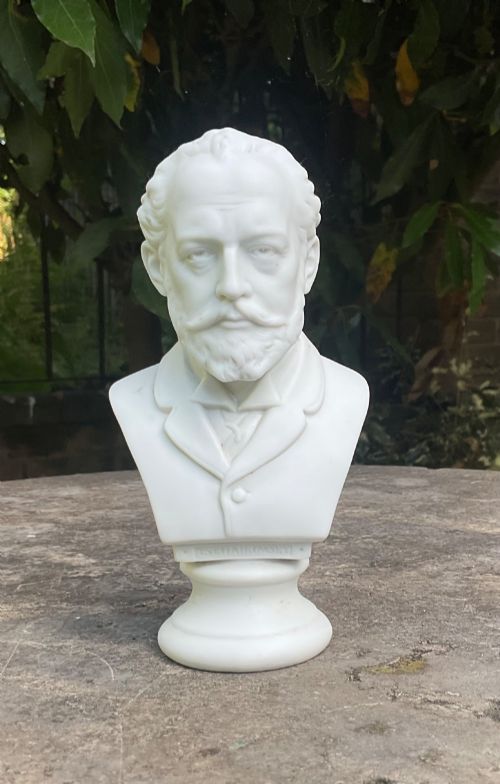
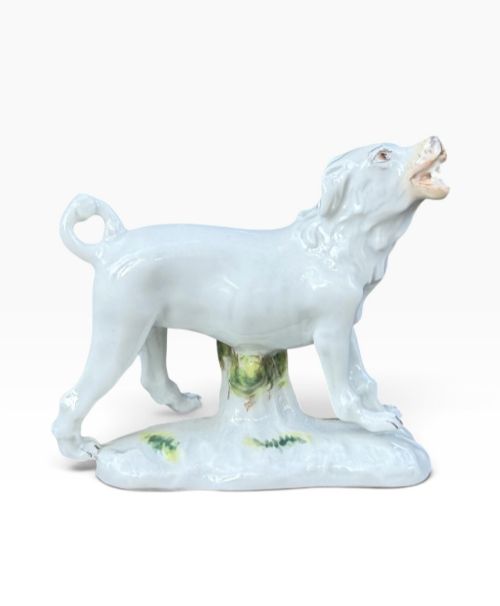
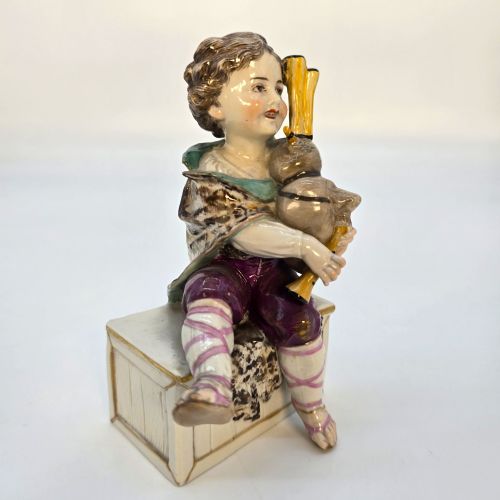
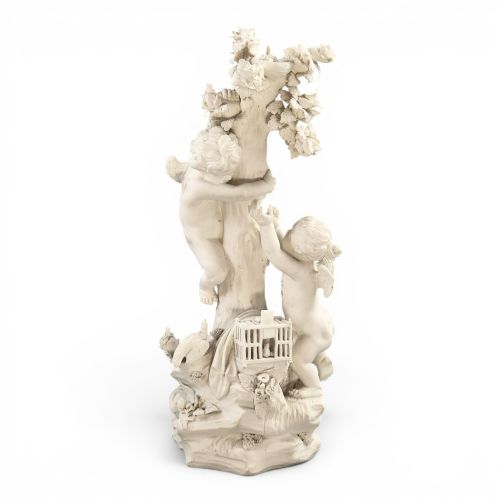
White porcelain figures encompass sculptural works modelled as musicians, animals, and religious triads. When you search for white porcelain figures, you encounter pieces designed purely for display and interior ornamentation.
The selection includes examples from the Georgian era through to the late nineteenth century. Makers from English, German, and Japanese traditions contribute to the range of forms available.
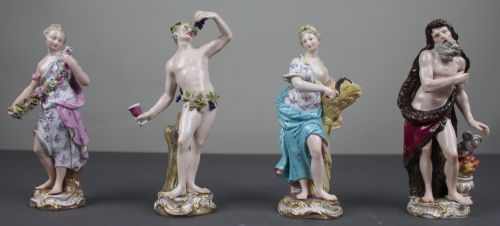
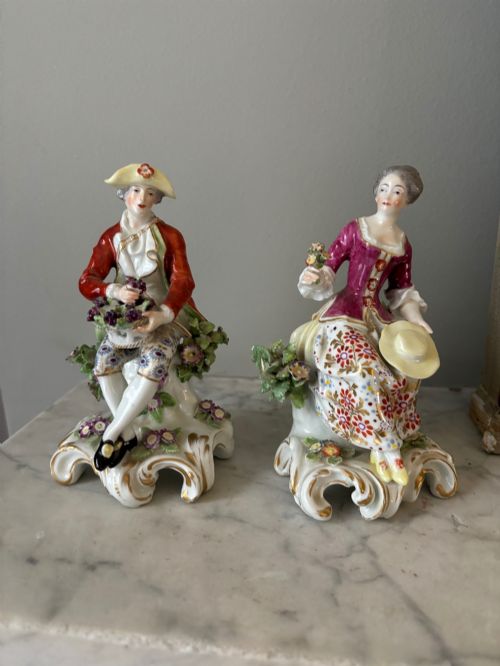
Most entries take the form of paired figures or individual sculptural groups. These pieces represent styles spanning Rococo Revival, Victorian, and Regency aesthetics.
How they were made
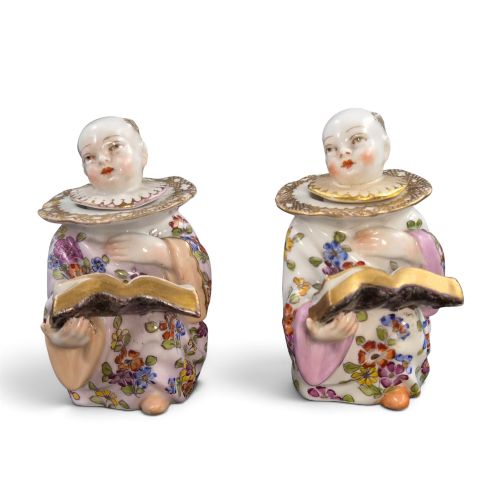
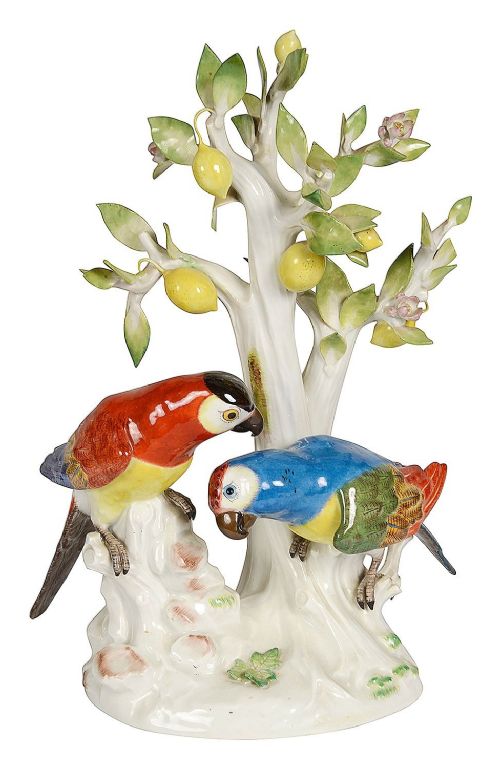
Makers utilised hard-paste porcelain and earthenware as the primary structural bodies for these sculptures. Selected pieces incorporate glaze, enamel, and gold leaf highlights to accentuate specific details of the modelling.
Techniques range from European factory casting to Japanese ceramic methods observed in late Meiji period works. Some compositions integrate additional materials such as fabric and protective glass domes.
Retail Price Guide 2026
Typical UK retail prices for white porcelain figures, calculated from the Sellingantiques database of over a million retail prices indexed since 2003. This retail price guide relies exclusively on Sellingantiques data; no external sources or auction records are used, so the figures do not describe the wider market.
Grape harvesters and ceramic beesums stand quietly ready to sweep your room clean of dull surfaces.
What varies in quality
Quality rests in the precision of the modelling and the refinement of the ceramic surface. Superior examples demonstrate crisp definition in facial expressions, drapery, and accessory details without loss of form.
The integration of secondary elements, such as original glass domes or delicate polychrome and gold leaf additions, separates standard decorative production from the finest factory work.
Volkstedt Richard Eckert·Bloor Derby
The White Porcelain Figures Glossary
- Hard-paste porcelain
- A dense, vitrified ceramic compound fired at high temperatures. It provides a durable base for detailed sculptural figures.
- Blanc-de-Chine
- A French term denoting white Chinese porcelain, later adopted by European factories to describe unglazed or white-glazed sculptural figures.
- Glaze
- A glassy coating applied to pottery and fired to form a protective seal. It gives white porcelain its characteristic reflective sheen.
- Enamel
- Opaque vitreous material fused to the ceramic surface during firing. It adds controlled colour highlights to otherwise monochrome figures.
- Triad
- A group of three related figures displayed together. In this context, it frequently describes religious subjects such as Kannon accompanied by attendants.
Frequently Asked Questions
What periods do these figures come from?
The available pieces span the Georgian era through to the late nineteenth century, including Victorian productions and Japanese Meiji works.
Dates extend from approximately eighteen twenty to the close of the eighteen hundreds.
Are these figures sold in pairs?
Several listings comprise matched pairs, such as stag and doe groups or grape harvesters.
Single sculptural works and triads also appear within the selection.
What materials are used alongside porcelain?
Makers frequently incorporated glaze, enamel, and gold leaf to accent the white porcelain body. Earthenware and fabric also feature in specific regional pieces.
Certain items retain their original glass domes for protection and display.
Which styles are represented?
The inventory records pieces designed in Rococo Revival, Regency, and Victorian aesthetics, alongside Japanese Kutani traditions.
Stylistic elements reflect the prevailing decorative tastes of European and Asian workshops.