
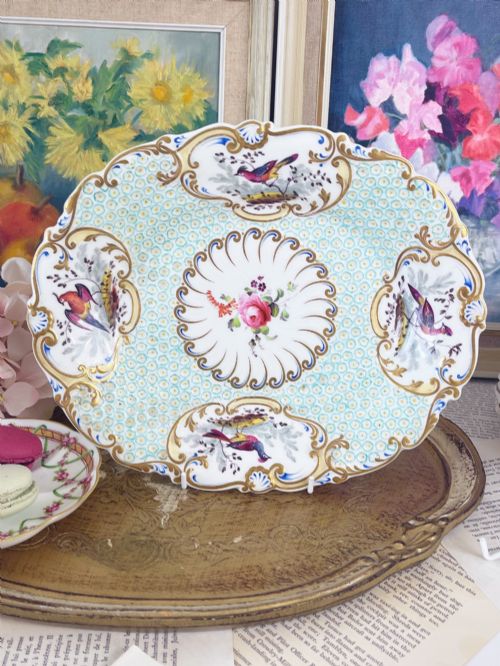
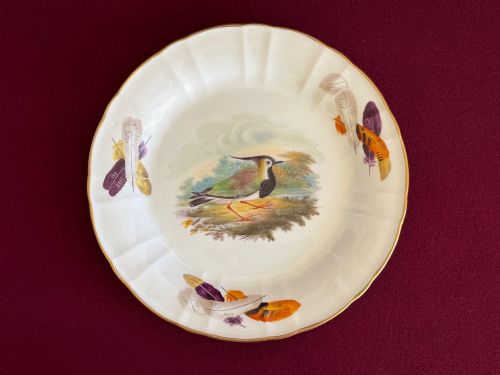
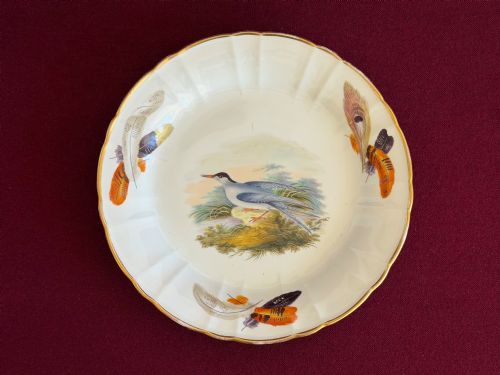
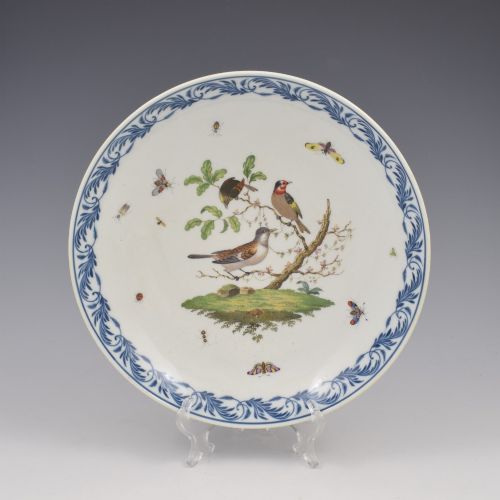

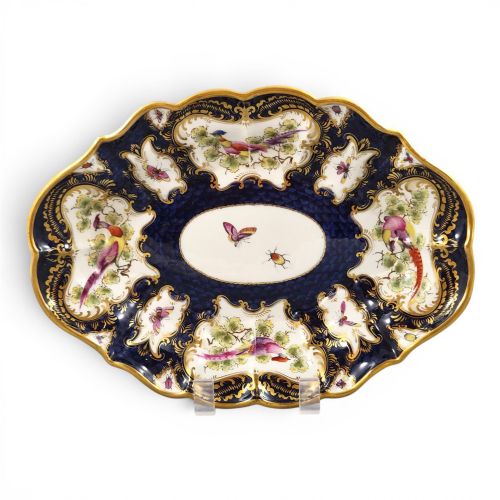


Hand Painted Bird Plate
These hand painted bird plate selections bring avian artistry to the table, offering a glimpse into historic porcelain painting traditions.
What They Are
A hand painted bird plate displays avian subjects rendered in enamel and gilt, serving as both utility ware and decorative art. The forms include cabinet plates, dessert dishes, and soup plates created for display or formal dining.
Makers from the eighteenth century onward utilised these ceramic surfaces to showcase botanical and ornithological illustration. Examples on this page span the Georgian, Regency, and Victorian periods, alongside specific dates from the eighteenth and nineteenth centuries.
British and continental factories produced these works, featuring Worcester and Meissen origin points. Buyers frequently encounter cabinet plates and decorative plates bearing exotic birds, common terns, and fancy bird motifs.
How They Were Made
Potters shaped these objects using bone china, hard-paste porcelain, and soft-paste porcelain. Artisans applied overglaze enamel colours to depict plumage, foliage, and naturalistic backgrounds.
Gilt and gold leaf accents frame the central painted scenes, often highlighting reticulated or moulded rims. Kiln firings fixed the enamel pigments and gilding onto the glazed ceramic body.
Retail Price Guide 2026
Typical UK retail prices for hand painted bird plate, calculated from the Sellingantiques database of over a million retail prices indexed since 2003. This retail price guide relies exclusively on Sellingantiques data; no external sources or auction records are used, so the figures do not describe the wider market.
Materials documented across the inventory include bone china, hard-paste porcelain, soft-paste porcelain, gilt, and gold leaf.
What Varies in Quality
The refinement of the ornithological painting dictates the distinction between standard production and exceptional manufacture. Skilled artists rendered plumage with fine brushstrokes and botanical accuracy, whereas lesser pieces display hurried execution.
The integration of gilding and the crispness of moulded or reticulated borders signal superior workshop output. Early English and continental factories achieved varying degrees of translucency in their porcelain pastes.
Wedgwood·Meissen·Worcester
The Hand Painted Bird Plate Glossary
- Cabinet plate
- A decorative ceramic dish intended for display rather than dining use. These often feature elaborate hand painted subjects.
- Reticulated plate
- A ceramic plate with pierced or openwork decoration along the rim. This technique requires careful cutting of the clay before firing.
- Overglaze enamel
- Coloured glass decoration fused to the surface of fired and glazed porcelain. This method allows for a wider palette of vibrant hues.
- Soft-paste porcelain
- An artificial ceramic composition fired at lower temperatures than hard-paste porcelain. It possesses a warm tone and distinctive glaze texture.
- Gilt
- A thin layer of gold applied to ceramic surfaces for ornamentation. It elevates the visual luxury of the piece.
Frequently Asked Questions
What is a hand painted bird plate?
These ceramic dishes feature hand-applied depictions of birds, ranging from common terns to exotic species. They were produced by historic factories as display items or part of dessert services.
Craftsmen used porcelain bodies and enamel paints to capture detailed ornithological studies. Collectors value them for their combination of ceramic history and natural history illustration.
How do I date a bird plate?
Dating relies on factory marks, paste composition, and stylistic conventions of the period. Eighteenth-century pieces often use soft-paste porcelain, while nineteenth-century items introduce hard-paste or bone china.
Examining the style of the painting and the framing gilding provides further chronological clues. Comparative study of factory marks helps narrow down the decade of production.
Were these plates used for dining?
Many examples functioned as cabinet plates or dessert dishes intended for formal dining rooms. Their primary role in upper-class homes was visual display.
Overglaze enamels and delicate gilding on certain pieces suggest limited practical use. Their survival in good condition points to careful handling by past owners.
What is the difference between Worcester and Meissen?
Worcester represents English ceramic manufacturing from the Georgian and Regency periods. Meissen denotes German hard-paste porcelain production known for crossed swords marks.
Each factory employed distinct porcelain pastes and painting palettes. Their artists interpreted ornithological subjects through different regional traditions.