


Ceramic Display Plate
A ceramic display plate brings historical craft, intricate hand-painted detail and colour to a room.
Ceramic Display Plate
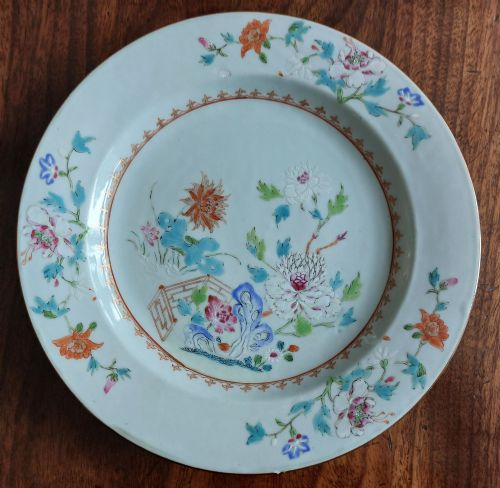
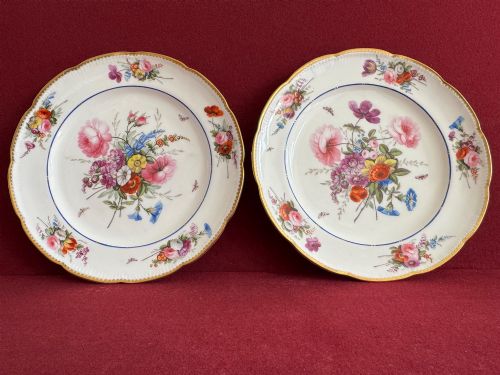
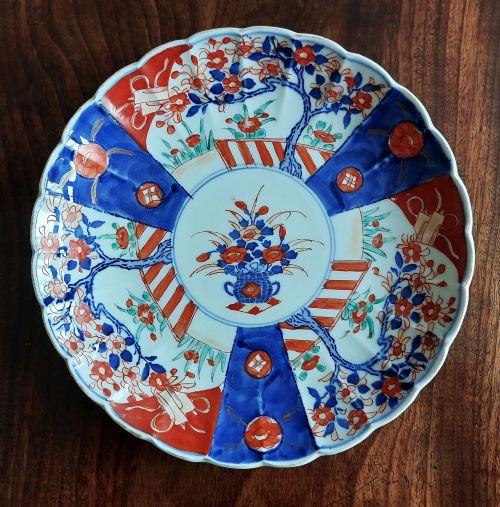
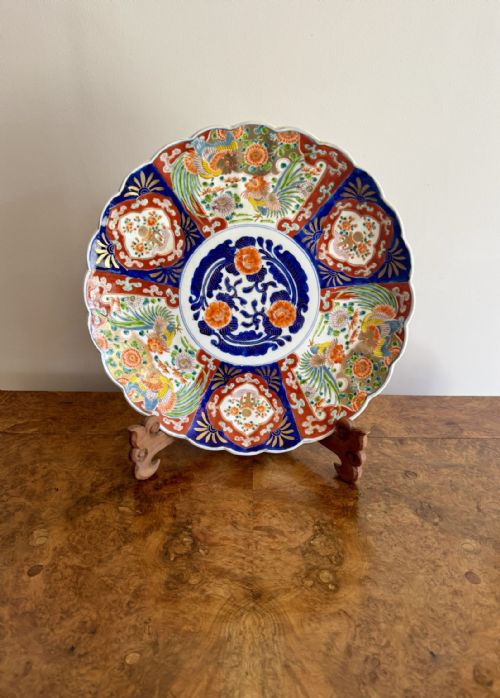
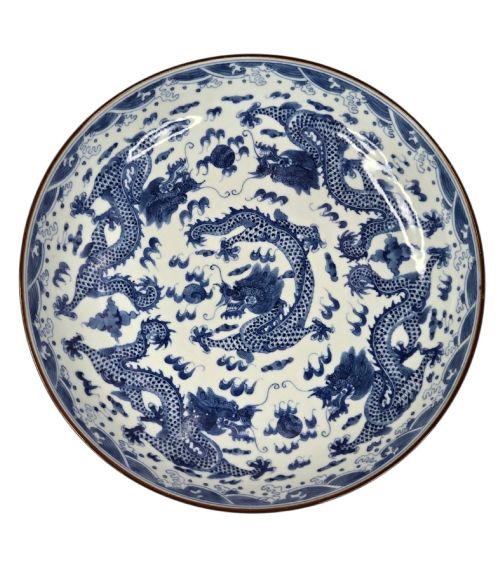
A ceramic display plate is a decorative vessel made for viewing rather than dining, encompassing cabinet plates, chargers and dishes created to hang on walls or rest on surfaces. Buyers seeking these items encounter a wide chronological spread, from eighteenth-century English creamware and Delft to nineteenth-century Japanese Imari and Royal Worcester porcelain.
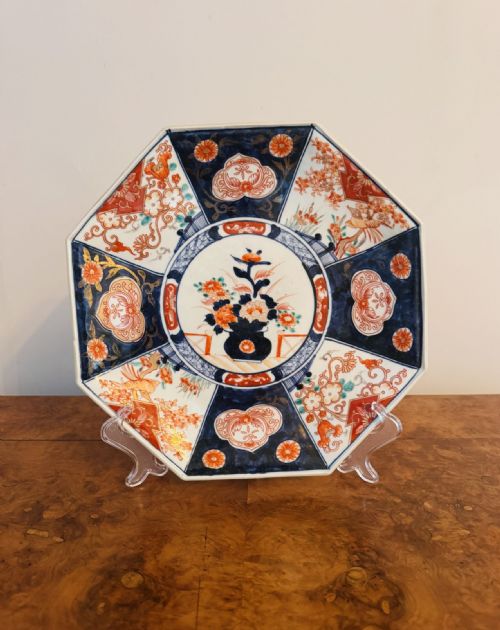
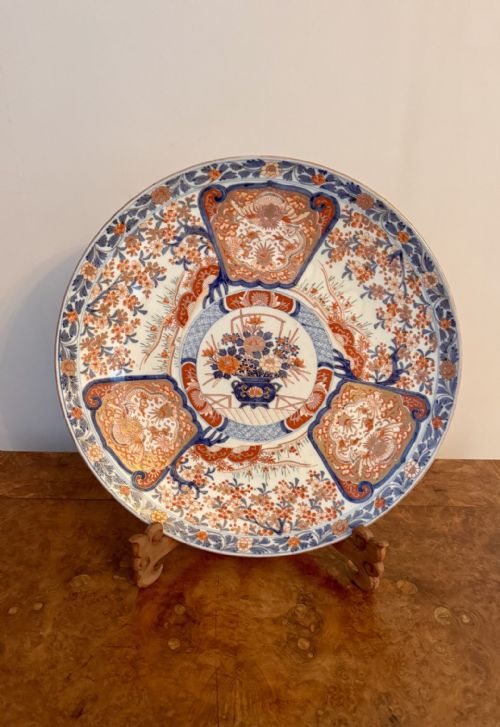
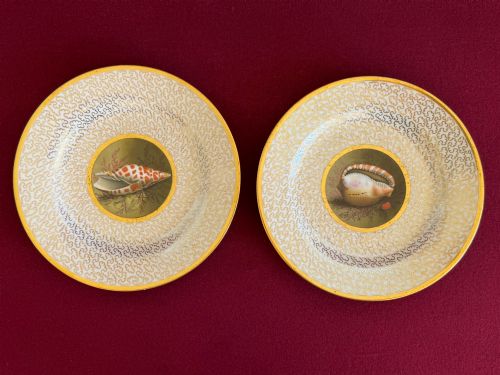
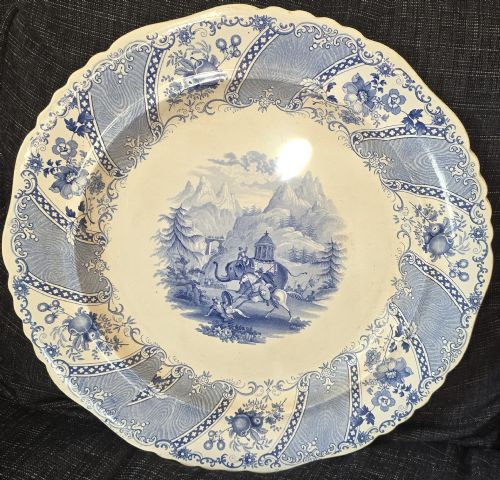
The forms on this page span large chargers, octagonal cabinet plates and scalloped dishes originating from diverse makers and traditions. Pieces range from Georgian transferware and Chinese export porcelain to Victorian aesthetic plates and twentieth-century hand-painted fruit services.
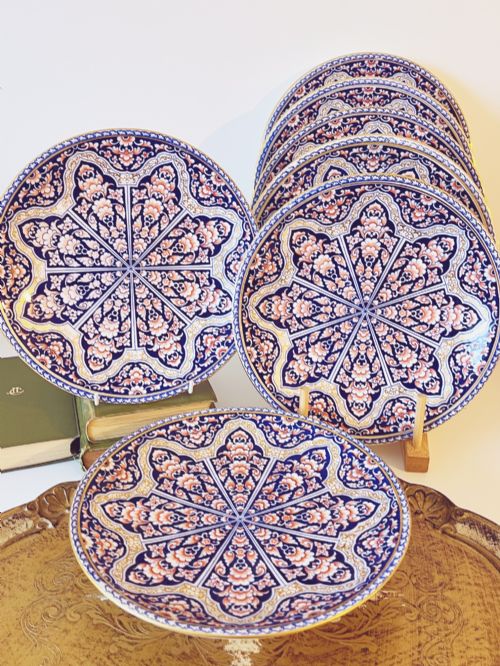
Japanese Imari porcelain and English bone china cabinet plates appear frequently among the listings, offering distinct decorative schemes suited to interior display. These items reflect both European manufactories and Asian export traditions spanning multiple centuries.
How they were made
Potters utilised various clays including soft-paste porcelain, bone china, creamware and earthenware, shaping them on wheels or pressing them into moulds. Many pieces feature tin glazes or clear lead glazes applied before or after firing to seal the ceramic body.
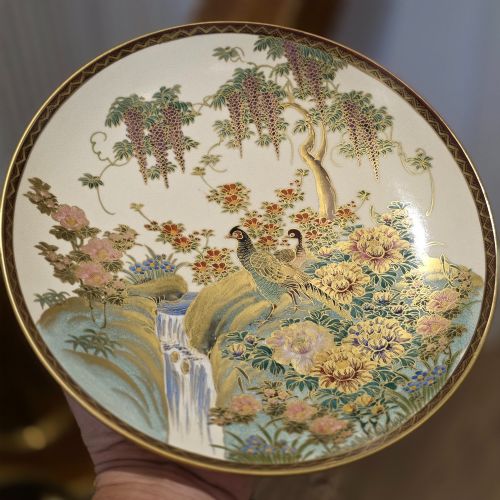
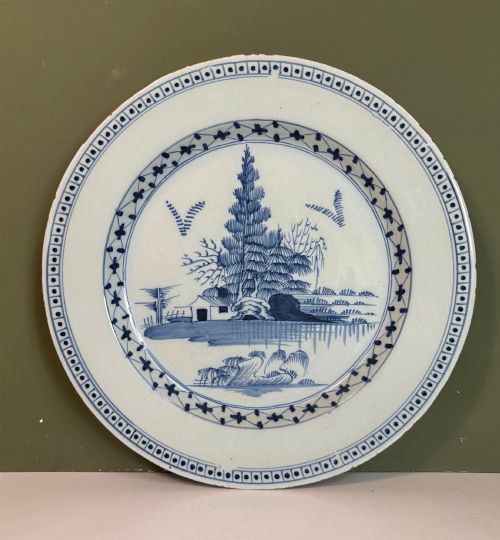
Decoration relied on hand-painting using enamel colours, cobalt blue underglaze, and applied gold leaf or gilt detailing. Transfer printing also emerged on nineteenth-century wares, allowing complex pictorial scenes to transfer onto the ceramic surface before a final kiln firing.
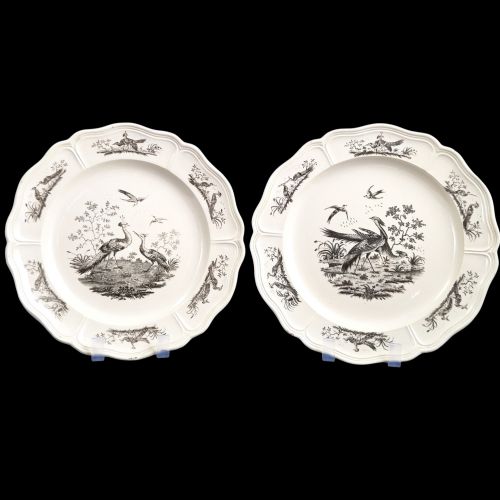
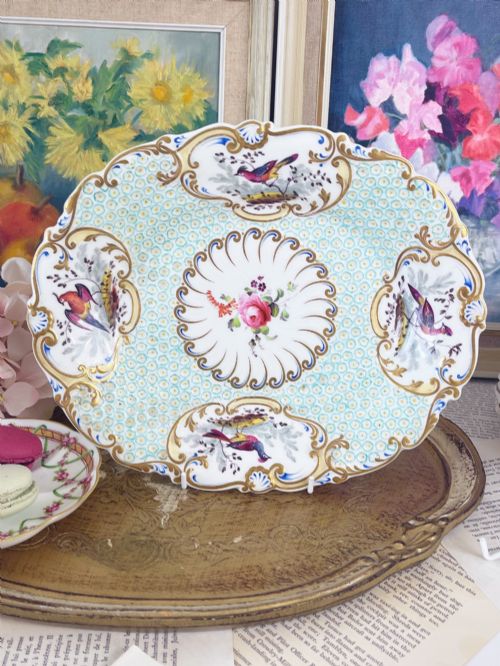
Several birds featured on these plates have gazed haughtily from dining rooms since the reign of George the Third.
What varies in quality
Quality rests upon the precision of the hand-painting, the crispness of moulded edges and the clarity of the glaze firing. Master painters executed intricate botanical studies, birds or heraldic motifs with controlled brushwork that distinguishes superior cabinet pieces from standard production wares.
The sophistication of the palette and the integration of gilding indicate the standing of a manufactory. Pieces commissioned for specific services or decorated by named artists display heightened refinement in both ceramic body and surface design.
Barr Flight and Barr·William Smith and Company·Leeds Pottery Liverpool·Royal Crown Derby·Royal Worcester·Minton
The Ceramic Display Plate Glossary
- Cabinet plate
- A decorative plate intended for display in a cabinet or on a wall rather than for practical table use. These items often feature elaborate hand-painted scenes or rich gilding.
- Charger
- A large decorative dish that exceeds standard plate dimensions, frequently positioned centrally on a sideboard or hung independently. They serve as primary focal points within a decorative arrangement.
- Creamware
- A refined light-coloured earthenware developed in the eighteenth century by English potters such as those in Leeds. It possesses a warm yellowish glaze over a cream-coloured body.
- Imari palette
- A decorative colour scheme originating in Japan utilising deep cobalt blue, iron red and supplementary gold leaf. This style heavily influenced European porcelain factories during the eighteenth and nineteenth centuries.
- Transferware
- Ceramic pieces decorated by applying a printed paper design from an engraved copper plate onto the biscuit or glazed surface. This technique enabled intricate pictorial narratives to reproduce consistently.
Ceramic Display Plate: Frequently Asked Questions
How do I hang a ceramic display plate safely?
Display plates require specialised spring-loaded hangers with rubber-coated prongs that grip the rim securely without scratching the glaze. Wall mounting should anchor directly into solid masonry or use appropriate cavity fixings to support the weight of porcelain and earthenware.
Larger chargers need heavy-duty fixings and robust wire placement to distribute the load evenly. Plate rails offer an alternative method for resting items safely on a surface without wall penetration.
Can these plates be used for serving food?
Antique display plates are generally unsuited for modern dining due to delicate enamel paints, soft glazes and historical wear. Lead-bearing glazes found on certain eighteenth and nineteenth-century earthenwares also make them inappropriate for acidic foodstuffs.
Cabinet pieces and hand-painted chargers remain strictly decorative items intended for visual appreciation. Enjoying these objects safely involves keeping them in dry display environments away from active kitchen use.
How do I identify the period of a plate?
Dating relies on examining factory backstamps, impressed marks, pattern numbers and stylistic clues. Different eras favoured distinct ceramic bodies, such as eighteenth-century soft-paste porcelain versus nineteenth-century bone china and earthenware.
Comparing the painting style, palette and foot rim construction against documented examples from specific manufactories helps narrow down the decade of production. Documentation and historical records assist in confirming dates.