



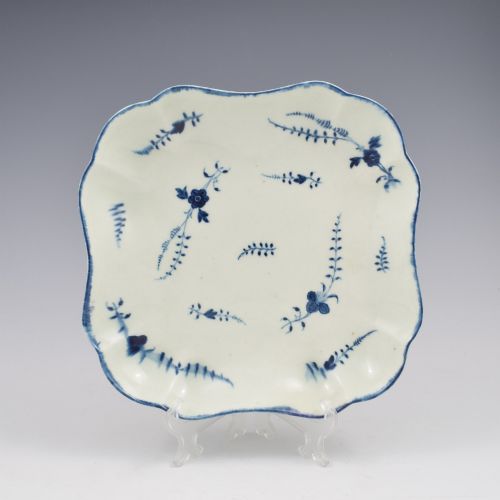
White Porcelain Plates
White porcelain plates bring bright contrast to a table and offer a fine surface for hand-painted flowers, armorials, and gold leaf.

What white porcelain plates are
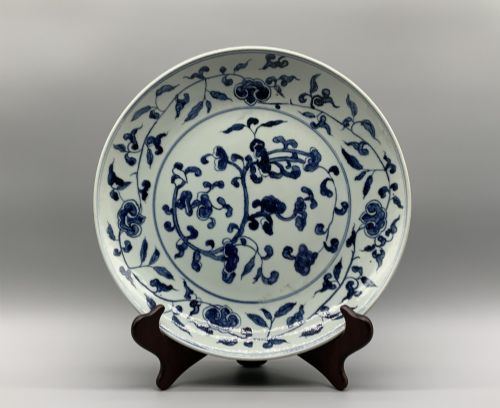
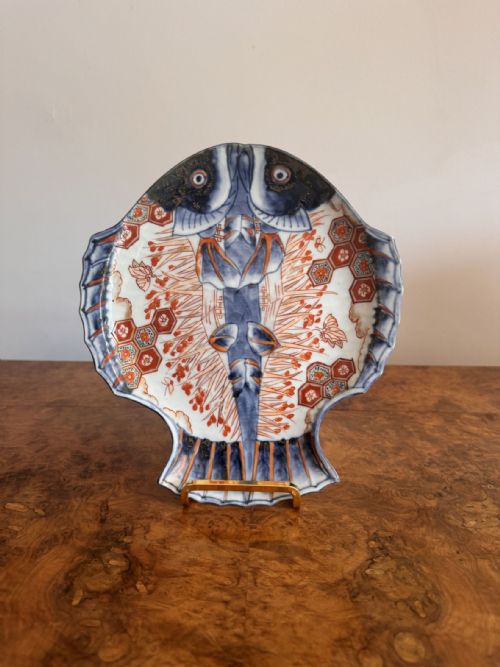
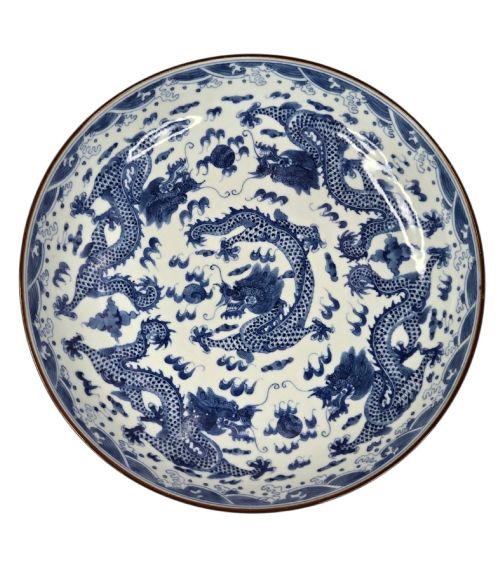
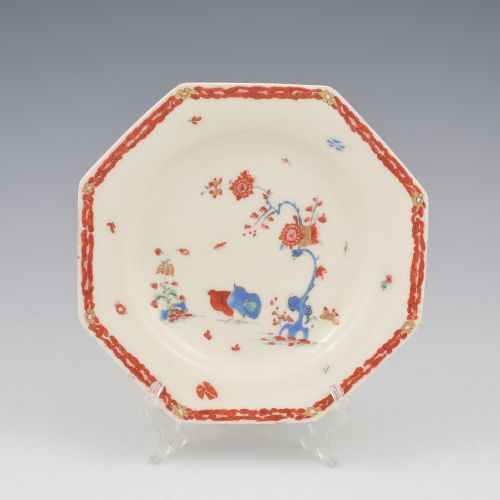
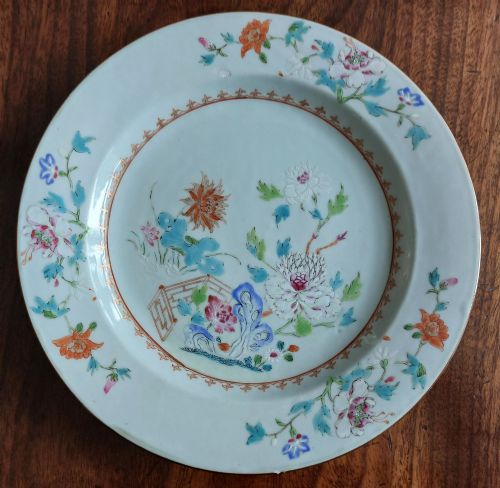
White porcelain plates span several distinct periods, reaching from eighteenth-century French manufacture through Regency and Victorian examples into the mid twentieth century. Buyers seeking white porcelain plates encounter decorative, dessert, and cabinet plates designed primarily for display or formal dining rather than heavy daily use.
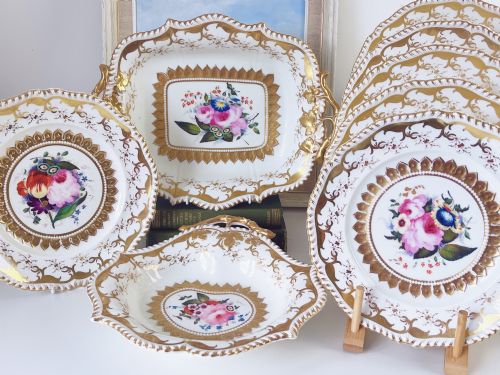
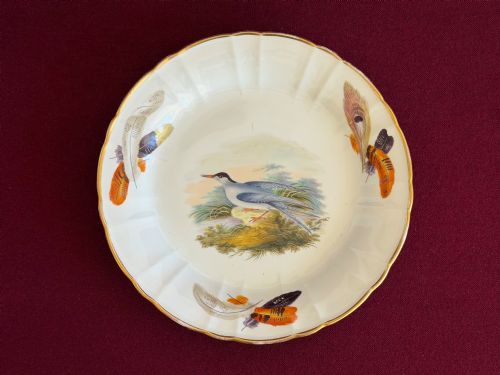
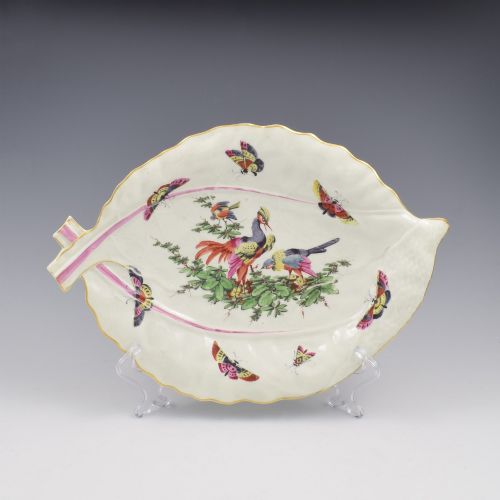
The selection includes wares from prominent European factories and English potteries, featuring forms such as the butterfly dessert plates and armorial designs. Pieces often arrive in matched sets or pairs, though single items and larger gatherings also appear across the inventory.
How they were made
Potters shaped these objects from porcelain and bone china, applying white glazes to create smooth, luminous grounds suitable for detailed enrichment. Enamel colours, gold leaf, and extensive gilding were added by hand to define borders, floral sprays, and armorial crests.
Master painters executed delicate motifs directly onto the fired white body before a secondary low-temperature firing fixed the pigments. Specialised factories employed distinct paste recipes and kiln techniques that resulted in varying degrees of translucency and surface brilliance.
Retail Price Guide 2026
Typical UK retail prices for white porcelain plates, calculated from the Sellingantiques database of over a million retail prices indexed since 2003. This retail price guide relies exclusively on Sellingantiques data; no external sources or auction records are used, so the figures do not describe the wider market.
Butterflies flutter across mid-century dessert plates, proving that porcelain insects refuse to stay pinned in a cabinet.
What varies in quality
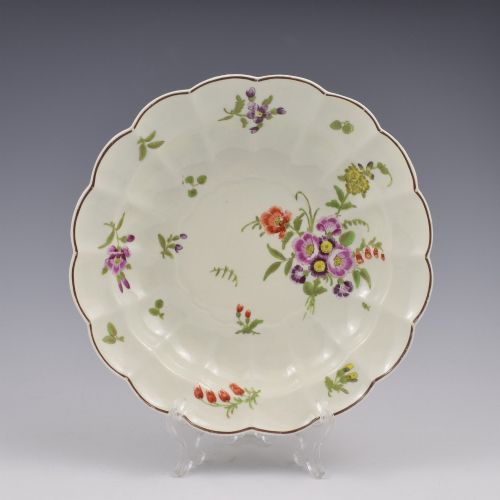
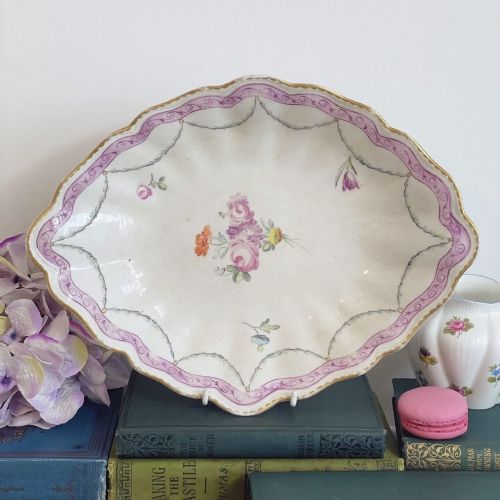
The refinement of the porcelain body and the precision of the hand-painted decoration set the finest examples apart from standard production. Superior items display meticulous brushwork in floral motifs like Streublumen and crisp application of gold leaf rather than mechanical transfer printing.
Provenance and factory origin heavily influence the standing of a piece, with documented Paris, Sèvres, Meissen, and Nantgarw works commanding greater attention from collectors. The complexity of the moulded or gilded borders also indicates the skill level of the original workshop.
Edmé Samson And Cie·Meissen·Sevres·Nantgarw·Spode Copelands China·Crescent China
The White Porcelain Plates Glossary
- Armorial plate
- A porcelain dish painted with a family crest, coat of arms, or heraldic devices. These bespoke items were commissioned by aristocratic households.
- Cabinet plate
- A decorative plate intended for display in a cabinet or on a wall rather than for serving food. They often feature elaborate painting and gilding.
- Bone china
- A type of soft-paste porcelain containing bone ash, which increases strength and translucency. English factories frequently utilised this material during the nineteenth century.
- Streublumen
- A German term meaning scattered flowers, describing small, casual floral sprays painted across a white porcelain surface. Meissen frequently utilised this delicate decorative scheme.
- Gilding
- The application of gold leaf or gold paint to ceramic surfaces, particularly along rims and borders. Higher-quality pieces feature burnished gold that catches the light.
Frequently Asked Questions
Are these white porcelain plates safe for food?
Most antique decorative and cabinet plates were intended for display or light dessert service rather than heavy modern dining. Hand-painted enamels and gold leaf can wear down with frequent washing and cutlery use.
Buyers planning to use them for dining should inspect the glaze condition and wash them gently by hand. Many collectors prefer to keep eighteenth and nineteenth-century porcelain strictly for display.
How do I identify eighteenth century French porcelain?
Eighteenth-century French pieces, such as those from Sèvres, often feature soft-paste bodies with hand-painted floral motifs and subtle glaze variations. Factory marks hidden on the underside help confirm the origin and approximate production period.
Examining the weight, translucency against a strong light, and brushwork detail will reveal the hand of period artisans. Comparing pieces to documented examples provides further certainty.
What is the difference between porcelain and bone china?
True porcelain relies on hard-paste ceramic materials fired at very high temperatures to create a dense, vitreous body. Bone china incorporates animal bone ash into the paste, which allows for thinner walls and a warmer white tone.
Both materials accept enamels and gilding exceptionally well. English makers favoured bone china, while continental factories relied on traditional porcelain formulas.
How should I display cabinet plates?
Cabinet plates look best mounted on secure wire wall hangers or displayed upright in specialised plate stands inside glass cabinets. Placing them away from direct sunlight protects the enameled colours and gold leaf from fading.
Grouping plates by period or decorative theme, such as floral Streublumen or armorial crests, creates an impressive visual arrangement on a wall or dresser.