


Antique Collector Plate
These antique collector plate examples bring historic ceramic artistry into your home, offering painted fruit scenes and pate sur pate designs.
Antique Collector Plate
When you search for an antique collector plate, you encounter porcelain and ceramic display pieces spanning the eighteenth, nineteenth, and twentieth centuries. These items range from English delft dishes and Coalport dessert pieces to works by Mintons and Royal Worcester.
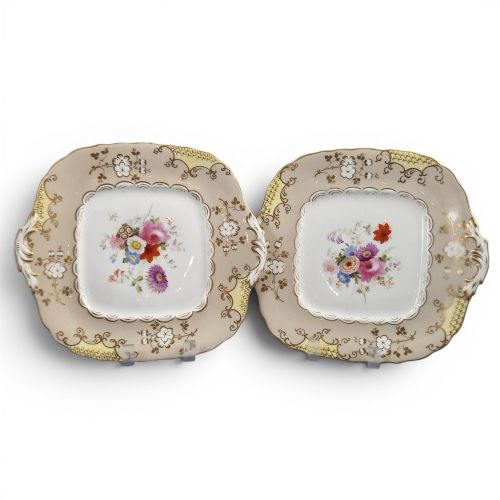
The most frequent items on this page are decorative cabinet plates and dessert dishes created for visual display rather than daily dining. They showcase hand-painted botanical motifs, floral arrangements, and intricate ceramic techniques from various European traditions.
Originating across different periods including the Regency era, Victorian decades, and early twentieth century, these plates reflect changing aesthetic movements. Makers applied diverse decorative methods, resulting in pieces designed specifically to adorn drawing rooms and cabinets.
How they were made
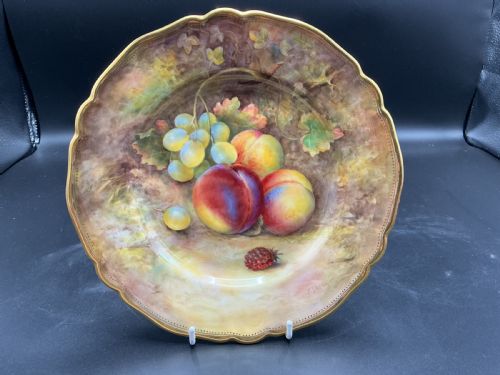
Makers utilised fine porcelain and earthenware bodies, shaping them into plates and dishes before applying specialised glazes and enamel colours. Artisans executed hand-painted botanical and fruit scenes directly onto the ceramic surface.
Techniques such as pate sur pate involved building up layers of liquid white slip over a coloured clay ground to create translucent, cameo-like reliefs. Kiln firing fixed these intricate designs and vibrant enamel pigments permanently into the glaze.
Some collector plates retain historic attribution notes tucked behind them, preserving the voice of past owners.
What varies in quality
Quality separates standard decorative wares from exceptional pieces through the precision and delicacy of the hand-painted artistry. Superior examples display refined brushwork in floral or fruit subjects, demonstrating the distinct skill of named makers and attributed decorators.
The sophistication of the ceramic body and specialised techniques like pate sur pate determine the artistic standing of a plate. Well-preserved enamel colours and crisp relief work indicate superior execution during manufacture.
Royal Worcester·Coalport·Mintons·Meissen
The Antique Collector Plate Glossary
- Cabinet plate
- A decorative ceramic plate intended for display in a cabinet or on a wall rather than for practical table use. These pieces often feature elaborate painted scenes or gilt borders.
- Pate sur pate
- A ceramic technique involving the successive application of liquid clay slip to build up a raised relief design. The method produces a cameo effect against a contrasting coloured background.
- Porcelain
- A ceramic material made by heating raw ingredients, generally including clay in the form of kaolin, in a kiln. It is known for its vitrified, translucent quality.
- Enamel
- Opaque or transparent glass-like substance fused to the surface of ceramics or metals through firing. It provides durable colour decoration on fine plates and objects.
Antique Collector Plate: Frequently Asked Questions
What is an antique collector plate?
An antique collector plate is a decorative ceramic or porcelain dish made for display rather than everyday dining. These pieces often feature hand-painted scenes, floral motifs, or specialised relief work.
Produced across the eighteenth, nineteenth, and twentieth centuries by factories such as Coalport, Mintons, and Royal Worcester, they serve as tangible examples of historic ceramic artistry.
How were these plates used?
Historically, these plates were displayed in cabinets, on sideboards, or mounted on walls to showcase the wealth and taste of the owner. They formed part of dessert services or served as standalone cabinet art.
Because of their delicate painted surfaces and specialised techniques like pate sur pate, they were preserved away from the rigours of everyday meals.
How do I live with them?
Living with these plates involves displaying them securely using appropriate wall mounts or stable cabinet stands. Keep them away from direct sunlight to protect enamel colours and painted details.
Dust them gently with a soft, dry cloth and avoid using liquid cleaners or abrasive materials on the delicate ceramic surfaces.
How do I identify periods?
Identifying the period of a plate involves examining the ceramic body, glaze characteristics, and the style of decoration. Regency and Victorian examples often feature distinct floral or fruit painting styles alongside specific manufacturing marks.
Factory backstamps and attributions provide further clues to date the piece accurately within the eighteenth, nineteenth, or early twentieth centuries.