


Antique Meissen China
Antique meissen china brings sculptural porcelain plates, figures, and bowls into your home, prized for fine painting and historic European craftsmanship.
Antique Meissen China
When you search for antique meissen china, you encounter decorative plates, cabinet plates, porcelain figurines, and bowls spanning the eighteenth to early twentieth centuries. These objects range from eighteenth-century puce ground bowls to nineteenth-century plates featuring floral dishes, birds, and Rococo styling.
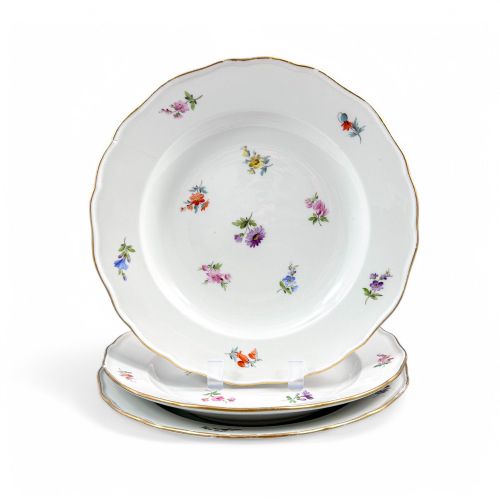
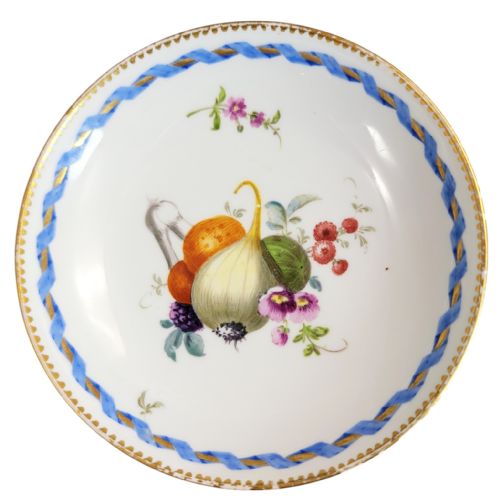
You are most likely to meet nineteenth-century examples on this page, including sets of plates with Streublumen decoration and allegorical figures. Pieces such as Marcolini saucers and miniature cups connect collectors to traditional German porcelain production.
The selection also encompasses figural groups depicting children in gardens and the Four Seasons series, alongside candelabra and dishes painted after Boucher. Makers and styles trace a lineage from early production periods through to Edwardian interpretations.
How they were made
These items rely on hard-paste porcelain formed into plates, bowls, and intricate figurines. Artisans shaped the ceramic bodies before applying detailed hand-painted enamel decoration and scenes.
Gilding and gold leaf often accent the rims, borders, and relief elements of plates and bowls. Skilled painters rendered floral motifs, birds, and figurative subjects directly onto the fired porcelain surface.
Children garden merrily in porcelain groups, while yellow lions pace across plates in historic Kakiemon patterns.
What varies in quality
Quality rests upon the precision of the hand-painted details, from delicate bird plumage to complex floral arrangements. Crispness in moulded figurine forms and the richness of the gilding set finer examples apart.
The sophistication of the enamel palette and the clarity of historical motifs, such as Kakiemon patterns or Rococo scrollwork, define the upper tier of these works.
Helena Wolfsohn
The Antique Meissen China Glossary
- Hard-paste porcelain
- A durable ceramic composition fired at high temperatures using kaolin and petuntse. This material provides the dense, white base characteristic of traditional European factory pieces.
- Enamel
- Vitreous pigments applied over the glazed porcelain surface and fired to achieve permanent colour. It allows for intricate, multicoloured pictorial scenes and botanical details.
- Gilding
- The application of gold leaf or powdered gold to accentuate rims, handles, and sculptural highlights. This technique adds warmth and contrast to the white porcelain body.
- Rococo
- An artistic style marked by asymmetry, scrollwork, and organic motifs that influenced nineteenth-century revivals. It appears frequently in the moulded borders and figural bases of these objects.
- Streublumen
- A pattern style featuring scattered small floral sprigs across the white porcelain surface. This motif leaves open space to highlight the quality of the ceramic body.
Antique Meissen China: Frequently Asked Questions
How do I identify genuine pieces?
Examine the fineness of the hand-painted enamel work and the precision of the porcelain moulding. Factory marks and traditional motifs like cross swords offer further clues to origin.
Compare the style of the gilding and the weight of the hard-paste porcelain against documented examples from specific centuries.
What are cabinet plates used for?
Cabinet plates were historically intended for display in parlours or drawing rooms rather than for dining. Their detailed hand-painted scenes made them objects of visual appreciation.
Today, collectors exhibit them on stands or wall mounts to showcase their historical artistry.
How should I clean porcelain figures?
Dust porcelain figures gently using a soft, dry brush to avoid disturbing delicate painted surfaces or gilding. Avoid harsh chemical cleaners and abrasive cloths.
For deeper cleaning, use a damp cloth with mild soap, ensuring the piece is dried thoroughly afterward.
How do I date an item?
Dating relies on stylistic clues, including the presence of Rococo Revival or Neoclassical design elements. The complexity of the enamel palette and subject matter also point to specific eras.
Reference periods range from eighteenth-century productions to nineteenth-century interpretations and Edwardian miniatures.