
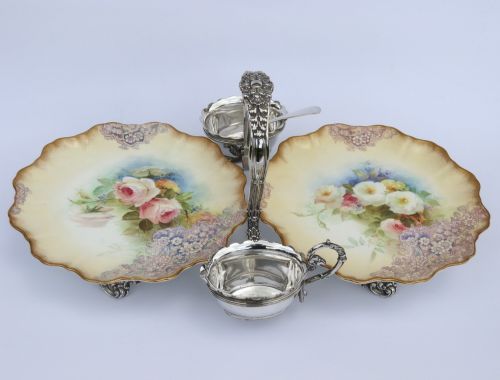


Antique Floral Tableware
These antique floral tableware pieces bring hand-painted botanicals and centuries of ceramic craft directly to your dining table.
Antique Floral Tableware
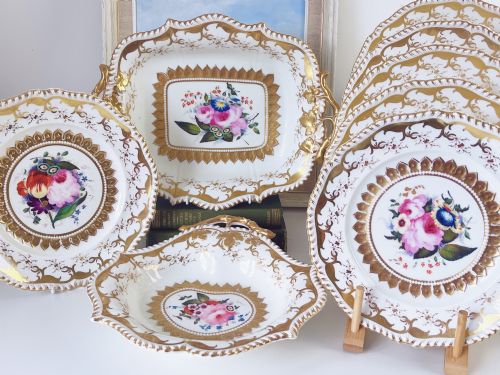
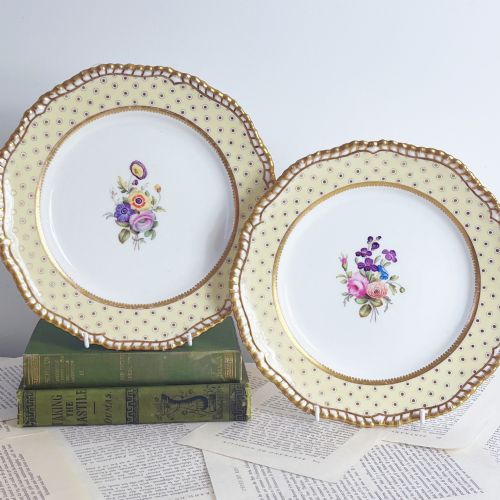
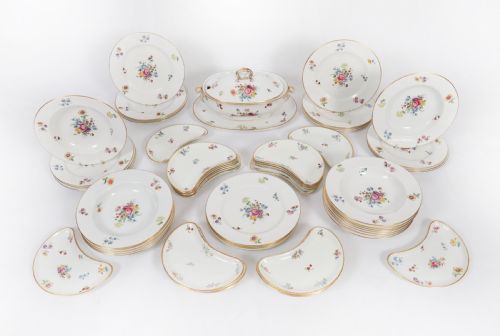
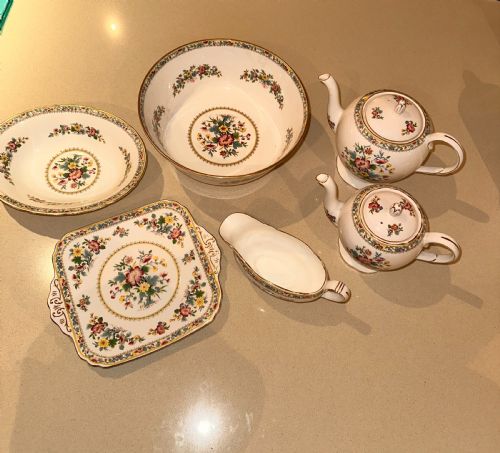
Antique floral tableware encompasses dinner services, dessert sets, serving dishes, and plates decorated with botanical and painted flower motifs. These pieces span from the Georgian era through the Victorian period and into the Edwardian decades.
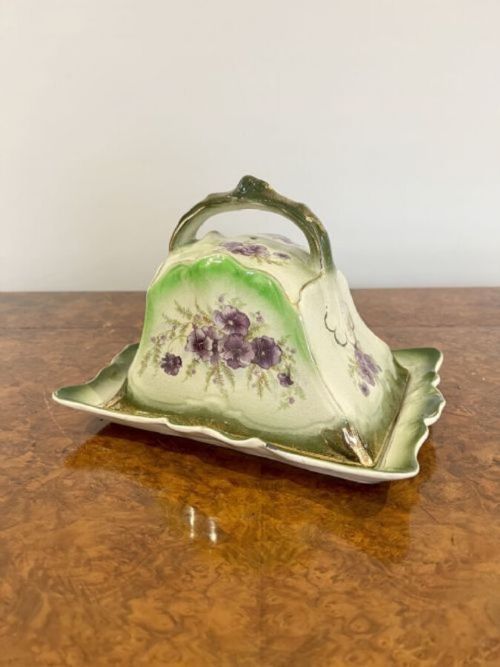
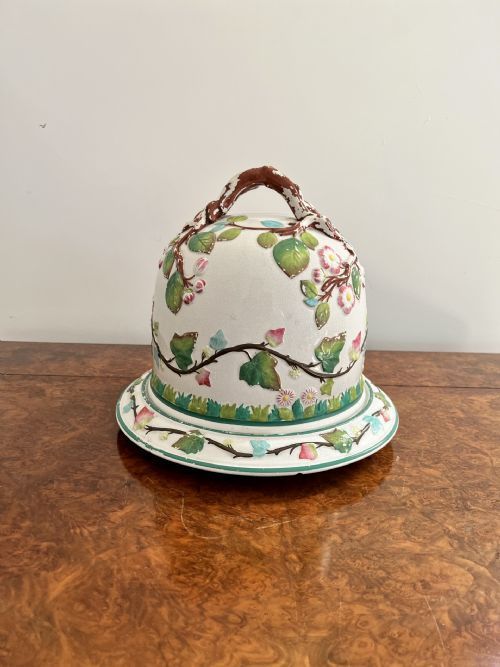
The items range from large ceramic dinner services to individual porcelain plates and earthenware cheese dishes. English factories and continental makers both contributed significantly to this category.
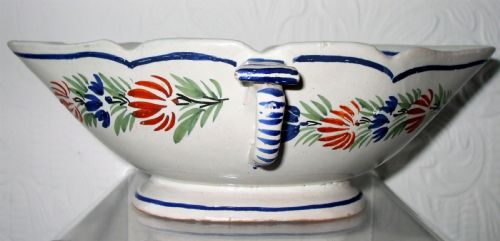
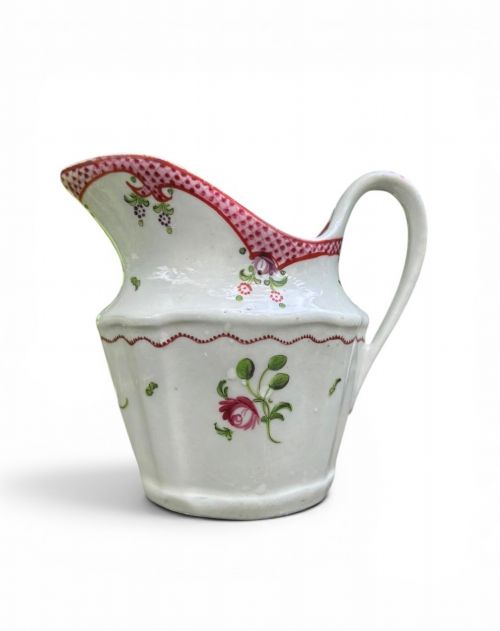
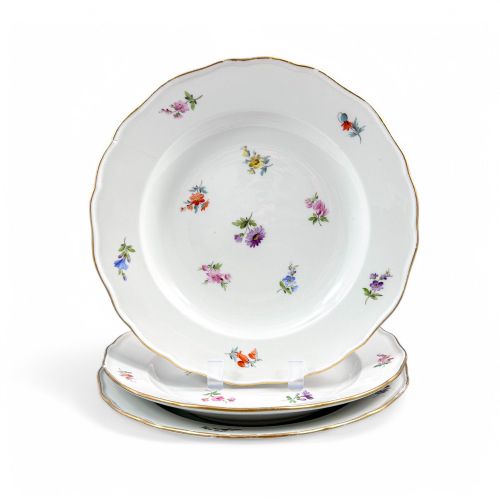
Buyers meet various forms on this page, including ironstone tureens, porcelain cream jugs, and earthenware service plates. Many items feature hand-painted floral arrangements applied over glaze.
How they were made
Potters utilised materials such as porcelain, earthenware, ironstone, and creamware as the foundation for these items. Potters shaped these ceramic bodies before firing them in kilns.
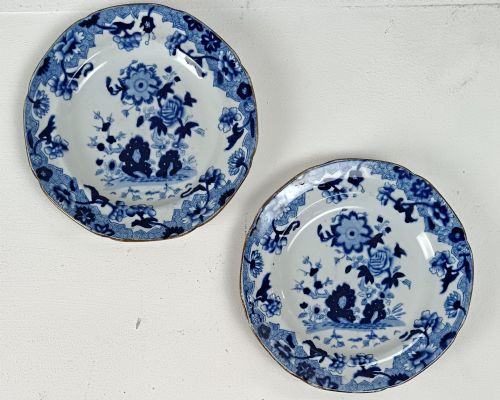
Makers applied glazes, enamel colours, and gold leaf details to decorate the surfaces. Hand-painted floral designs and transfer-printed botanical patterns were then fixed through secondary firings.
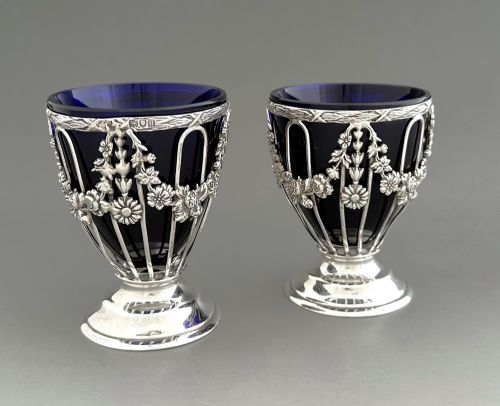
Object types range from dinner services and dessert sets to tureens, napkin rings, and loving cups.
What varies in quality
The precision of the hand-painted brushwork distinguishes the finest dessert sets and dinnerware from standard production. Artisans who painted botanicals with fine detail achieved a higher level of artistic merit.
The complexity of the ceramic body and the preservation of the original glaze and gold leaf influence the standing of each piece. Well-preserved services from established factories demonstrate superior manufacturing standards.
Grainger Lee And Co·Spode·New Hall·Meissen·Walker And Hall·Doulton Burslem·John Ridgway·Wedgwood·Booths·Coalport·Masons·Royal Worcester
The Antique Floral Tableware Glossary
- Ironstone
- A durable type of earthenware developed in the nineteenth century for heavy-duty tableware. It resists chipping while offering a smooth white surface for floral transfer prints.
- Felspar
- A porcelain body introduced by Spode containing feldspathic rock. This material yielded a bright translucent finish suitable for delicate dessert plates.
- Creamware
- A refined earthenware with a pale yellowish-cream glaze perfected in the eighteenth century. Wedgwood and other makers utilised it for botanical dinner services.
- Sucrier
- A small covered vessel designed for holding sugar. These form part of matching tea and dessert services.
Antique Floral Tableware: Frequently Asked Questions
How do I clean antique floral tableware?
Wash these ceramic and porcelain pieces gently by hand using mild soap and warm water. Avoid abrasive sponges and dishwashers to protect hand-painted enamel and gold leaf.
Dry each item thoroughly with a soft cloth before storing it in a cabinet. Proper handling prevents accidental chips on delicate rims and handles.
Can I use antique dinner services daily?
Many of these plates and serving dishes were built for practical dining use. However, antique ironstone and porcelain require careful treatment during everyday meals.
Hand-washing is essential because modern dishwashers can fade historic glazes and enamel details over time. Treat them with respect to preserve their decorative surfaces.
How do I identify the period of a service?
Examine the backstamps, ceramic bodies, and decorative styles to determine the era of production. Georgian pieces often feature creamware or early bone china bodies, while Victorian items frequently display majolica or ironstone construction.
Maker marks help pinpoint specific decades of manufacture. Comparing the painting style to documented examples also aids dating.
What is the difference between ironstone and porcelain?
Ironstone is a dense, heavy earthenware designed for robust daily use. It offers great durability and an opaque white surface for floral patterns.
Porcelain is vitrified, finer, and often translucent when held to the light. It was traditionally reserved for higher-end dessert services and tea wares.
How were botanical plates displayed historically?
Botanical dessert services and cabinet plates were brought out at the conclusion of formal dinners for fruit and sweet courses. Guests admired the hand-painted floral specimens while dining.
In modern homes, these plates find placement in wall displays or china cabinets. They bring historical charm and colour to dining room interiors.