


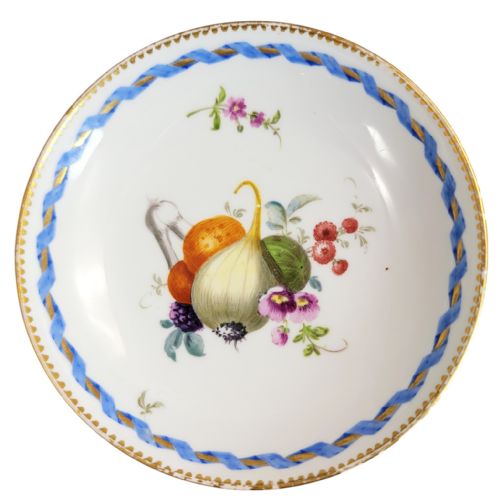


Meissen Porcelain Plate
A meissen porcelain plate brings centuries of European kilnhouse mastery to the table, offering finely painted scenes and gilt borders that collectors prize.
Meissen Porcelain Plate
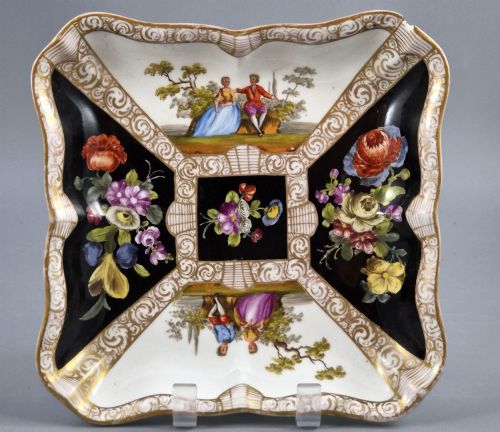
A meissen porcelain plate encompasses a variety of refined serving and display pieces, from cabinet plates and dessert dishes to platters and saucers. You encounter items shaped with reticulated borders, scalloped edges, and square profiles.
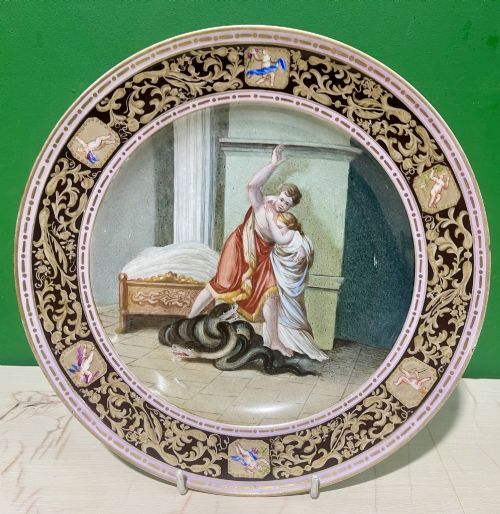
The selections span different eras, bringing nineteenth-century pieces alongside Georgian examples into your view. These items range from simple floral painted surfaces to complex figural scenes after Boucher and Watteau.
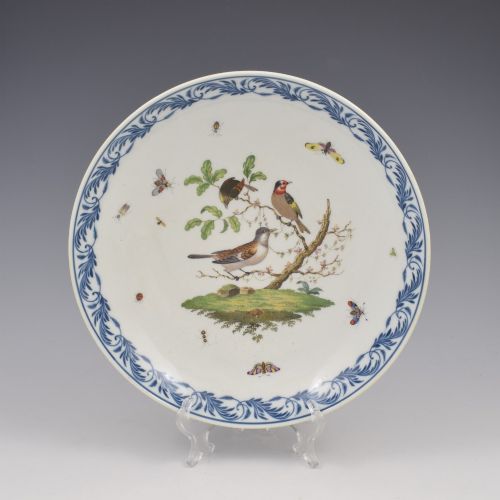
Decorative plates and dishes dominate the selection, often featuring hand-painted birds, insects, and botanical motifs. You frequently find pieces equipped with gilt flowers and intricate borders suited for display.
How these pieces were constructed
These items rely upon hard-paste porcelain fired at high temperatures to achieve a durable and bright white body. Artisans shape this ceramic base into plates, dishes, and saucers before applying initial glazes.
Decoration involves enamel painting, gold leaf, and extensive gilding applied over the glaze. Painters execute detailed ornithological studies, gallant scenes, and floral patterns by hand before final firing.
Meissen Porcelain Plate Retail Price Guide 2026
Typical asking prices for meissen porcelain plate among the pieces listed under this phrase on Sellingantiques today, from the lower quarter to the upper quarter. They describe what is for sale here now, not the wider market.
The selection includes hard-paste porcelain items spanning the Georgian era through the twentieth century, utilising enamel, gold leaf, and overglaze decoration.
What separates the grades
Quality rests in the precision of the hand-painted brushwork, particularly across complex subjects like exotic birds, Watteau scenes, and figural compositions. Finer pieces demonstrate meticulous control in fine enamel lines and naturalistic shading.
The application of gold leaf and gilding marks another distinction, where crisp tooling and well-preserved metallic lustre elevate the object. Plates featuring reticulated openwork or moulded rococo relief demonstrate greater technical ambition in the ceramic body.
The Meissen Porcelain Plate Glossary
- Hard-paste porcelain
- A dense, vitreous ceramic material composed of kaolin and petuntse fired at high temperatures. It forms the durable white body characteristic of these German wares.
- Reticulated plate
- A ceramic dish featuring an openwork border cut into the clay before firing. This decorative lattice technique requires high skill to prevent warping in the kiln.
- Kakiemon
- A Japanese porcelain style imitated by European factories featuring asymmetrical arrangements of flowers, birds, and figures. The palette typically includes iron red, yellow, and blue enamels.
- Crossed Swords Mark
- The primary factory trademark used by the Meissen manufactory, painted in blue under the glaze. It serves as an indicator of origin for these German pieces.
- Streublumen
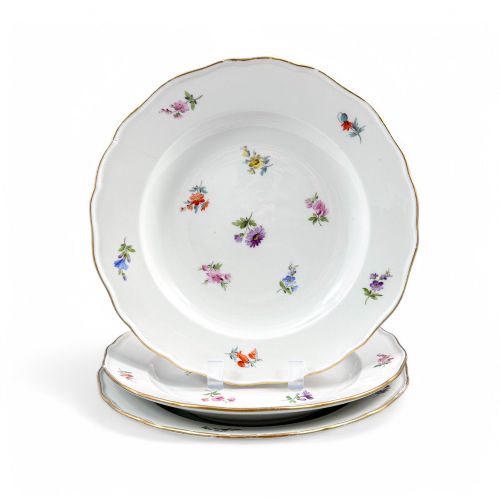
- A decorative motif consisting of scattered small floral sprays across a white porcelain surface. This pattern appears frequently on eighteenth and nineteenth-century domestic wares.
Meissen Porcelain Plate: Frequently Asked Questions
How do I date a meissen porcelain plate?
Dating relies upon examining the painted factory marks, stylistic traits, and the composition of the porcelain body. Nineteenth-century examples often display specific variations in the blue crossed swords.
Secondary clues include the complexity of the hand-painted enamel work and whether the piece incorporates rococo revival or neoclassical styling.
Can I use these plates for dining?
Most antique cabinet plates and decorative dishes are intended for display rather than heavy daily use. Hand-painted enamels and delicate gilding can wear down under frequent washing and cutlery contact.
Gentle hand washing in lukewarm water preserves the surface decoration if you choose to use them occasionally.
What subjects appear on these plates?
Common decorative themes include hand-painted birds, insects, floral sprays, and classical figures after artists like Boucher and Watteau. German landscape scenes and gallant courtly figures also appear frequently.
Some pieces feature exotic bird studies combined with gilt scalloped rims and baroque or rococo borders.
What is the difference between a cabinet plate and a dinner plate?
Cabinet plates are manufactured primarily for display in vitrines or on walls, featuring intricate reticulated borders, elaborate hand-painted scenes, and extensive gilding. Dinner plates prioritize practical table service with simpler floral motifs or structural forms.
Surviving examples on the market lean heavily toward decorative dishes and cabinet pieces designed to showcase artistic skill.