



Hand Painted Porcelain Plaque
When you search for a hand painted porcelain plaque, you are looking for miniature canvas work executed in ceramic pigments and kiln-fired glaze.

Hand Painted Porcelain Plaque
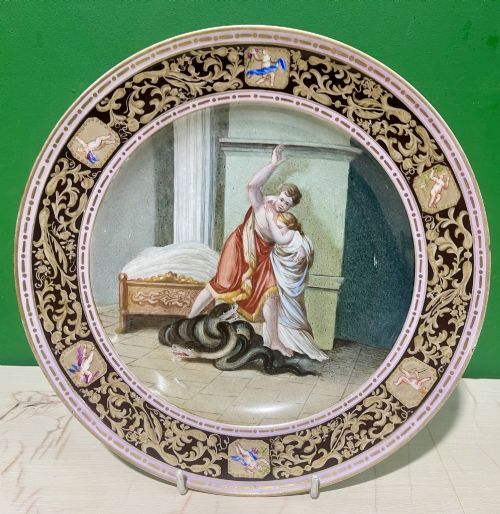
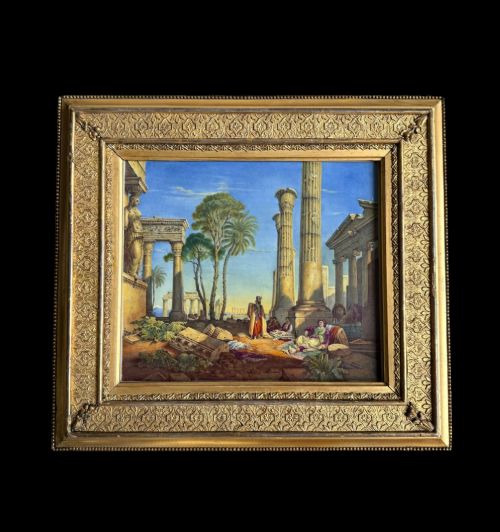
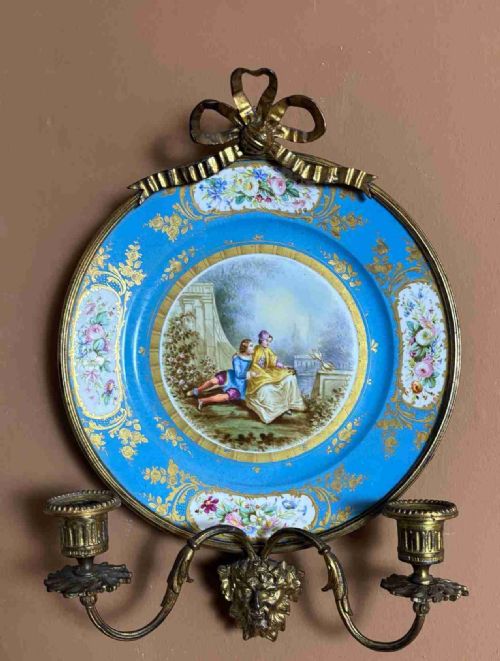
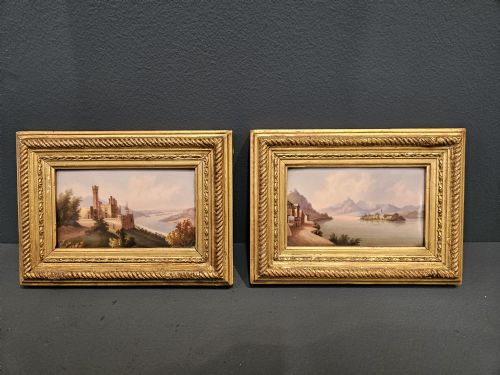
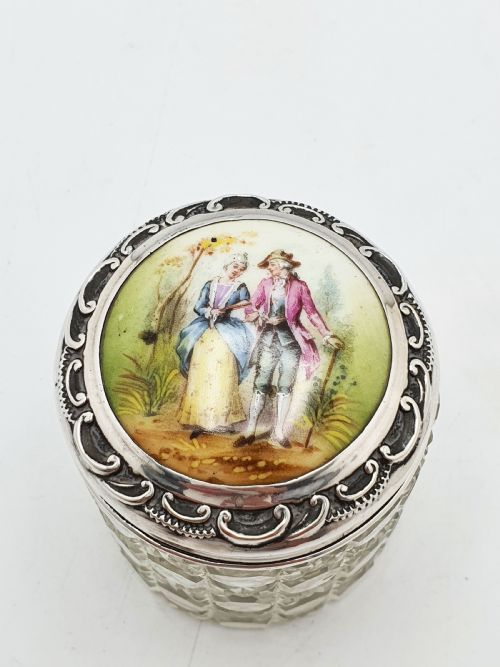
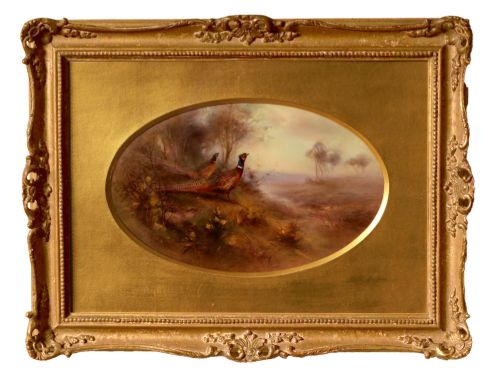
A hand painted porcelain plaque is a ceramic panel decorated with enamel pigments, often framed for wall hanging or mounted directly into furniture like tables, boxes, and book slides.
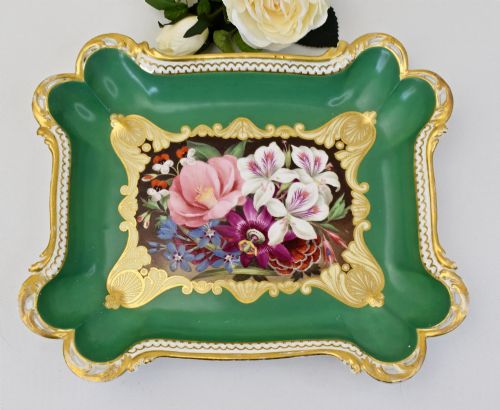
The pieces on this page span the nineteenth century into the early twentieth century, taking the form of wall art, cabinet plates, chargers, and trays.
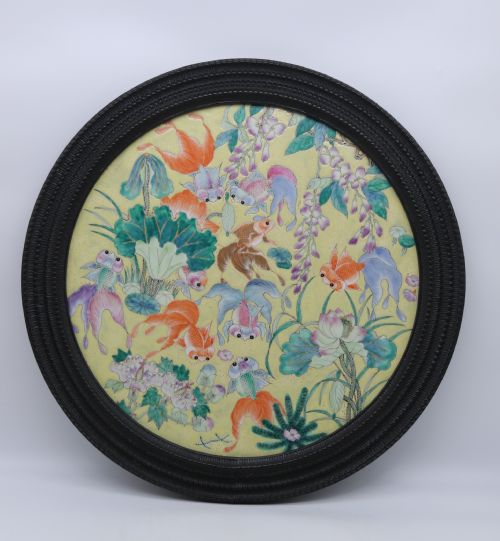
European factories dominate the selection, featuring mythological scenes, portraits, and landscapes produced in England, Germany, and Austria alongside Japanese Imari wares.
How they were made
Artisans applied metallic oxide enamel colours onto a prepared ceramic or porcelain blank, firing the piece multiple times in a kiln to fuse the pigments into the glossy glaze.
Many works incorporate raised gold leaf and intricate gilding to highlight borders and frames, while some pieces sit within carved giltwood surrounds or serve as inlays in kingwood and coromandel timber.
Hand Painted Porcelain Plaque Retail Price Guide 2026
Typical asking prices for hand painted porcelain plaque among the pieces listed under this phrase on Sellingantiques today, from the lower quarter to the upper quarter. They describe what is for sale here now, not the wider market.
Listings feature works in porcelain, enamel, and gold leaf, spanning the Victorian and Edwardian eras alongside the Meiji period and the Chinese Republican period.
What varies in quality
Quality rests upon the skill of the brushwork and whether the painting is an original artistic composition or a standard factory copy after a Renaissance master.
The weight of the porcelain blank, the precision of the enamel firing without blistering, and the presence of artist signatures or factory marks separate standard decorative items from fine cabinet pieces.
Royal Worcester·KPM Berlin·Royal Vienna·Copeland
The Hand Painted Porcelain Plaque Glossary
- Charger
- A large decorative plate intended for display rather than table service. These pieces frequently feature detailed historical or mythological scenes across a broad surface.
- KPM
- Königliche Porzellan-Manufaktur Berlin, a renowned Prussian porcelain factory known for meticulous portrait and landscape plaques. Their output represents some of the finest painterly work on ceramic.
- Imari
- A style of Japanese export porcelain characterised by underglaze blue and iron red with supplementary gold. Pieces featuring this palette display traditional floral and aquatic motifs.
- Enamel
- Opaque or transparent glass-like pigments applied to porcelain and fired in a kiln. These colours provide the permanent palette for portraiture and landscape details.
Hand Painted Porcelain Plaque: Frequently Asked Questions
How were these plaques originally displayed?
Many examples were framed in carved wood or gilt surrounds to hang as wall art within nineteenth-century parlours and drawing rooms.
Others were mounted directly into luxury wooden items such as jewellery boxes, tea caddies, and tables to provide decorative focal points.
What subjects appear on these pieces?
Common subjects include classical mythology, romantic literary scenes, and portraits of historical figures or royalty copied from famous paintings.
Other popular motifs feature still life fruit, delicate landscapes, alpine views, and traditional Japanese floral or aquatic designs.
How do I care for a porcelain plaque?
Keep the piece away from direct sunlight to prevent any fading of the enamel colours and fragile gilt highlights over time.
Dust the surface gently with a soft, dry brush and avoid using liquid cleaners or abrasive cloths on the painted glaze.
How can I tell the period of a plaque?
Examine the reverse of the ceramic panel for factory impressed marks, painted crests, or handwritten titles that identify the maker and date.
The framing style, backing materials, and the costume details of any human figures also offer clues to the era of manufacture.