




19th Century Porcelain Charger
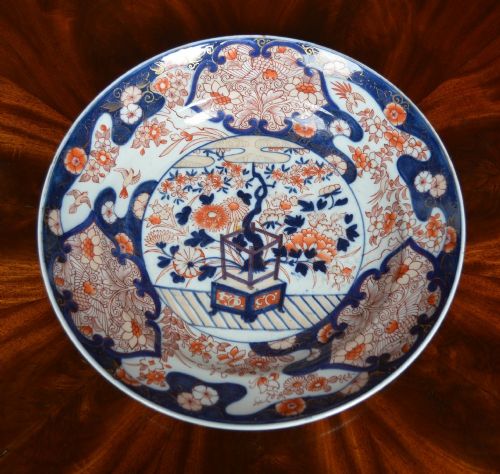
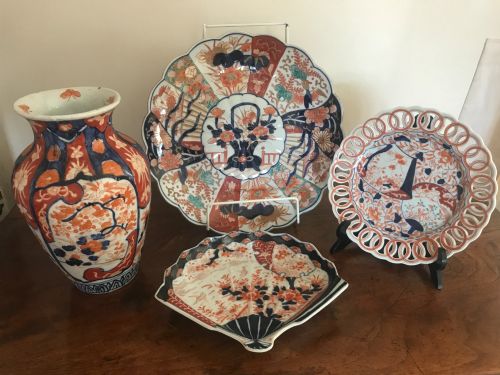
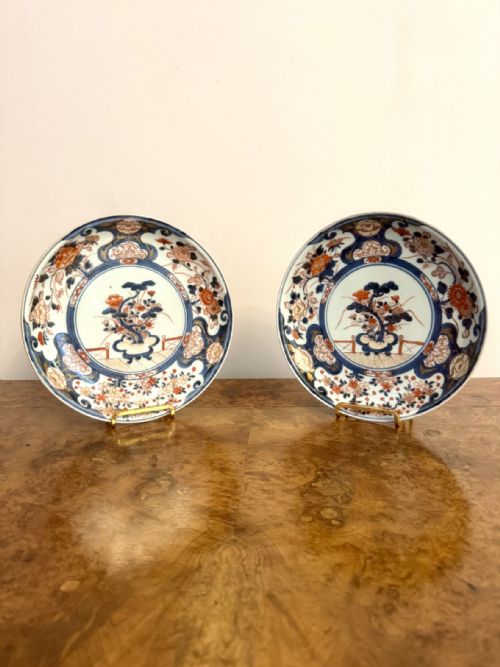
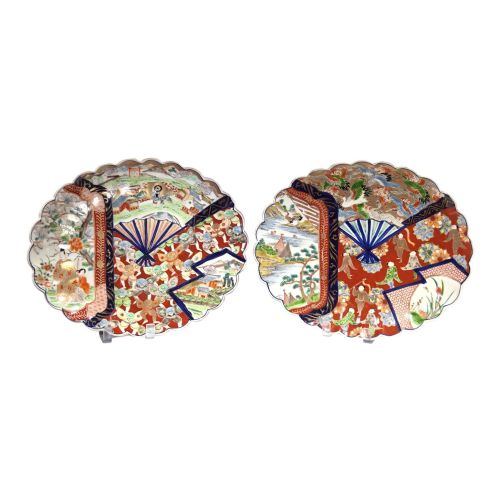
When you search for a 19th century porcelain charger, you find large decorative display pieces ranging from Japanese Imari wares to painted European cabinet plates.
19th Century Porcelain Charger
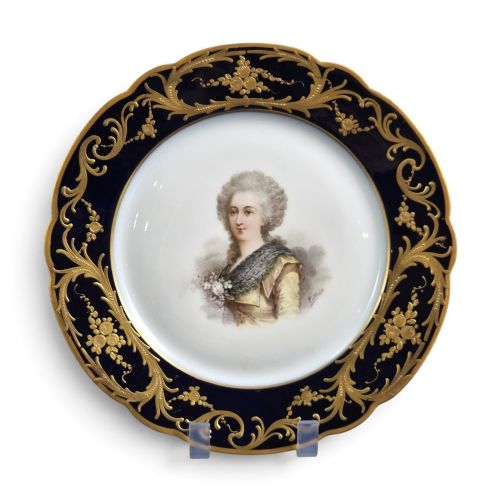
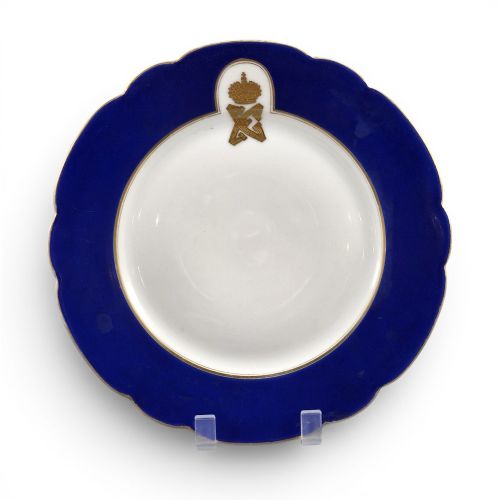
A 19th century porcelain charger is a broad, shallow dish produced primarily for display on walls, cabinets, or large stands rather than for dining use. Buyers seeking these items encounter two distinct traditions: European painted porcelain from factories such as Vienna, Sèvres, and Meissen, and East Asian decorative plates originating in Japan and China.
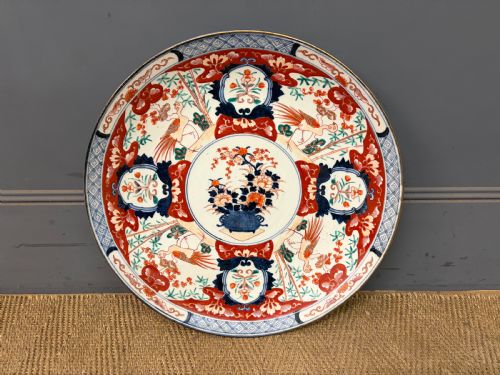
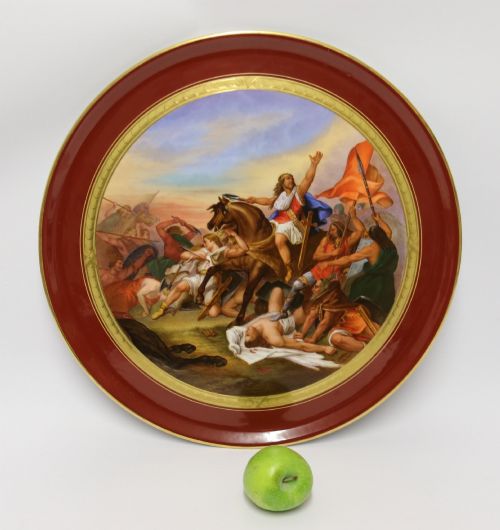
The European examples often depict narrative scenes from classical mythology, history, or portraiture, frequently enclosed by ornate gilt borders. Pieces from the Meiji period in Japan bring vibrant Imari palettes, complex cobalt underglaze, and sometimes intricate cloisonne work or cinnabar lacquer overlays.
Most items on this page date from the middle decades of the nineteenth century through to the turn of the twentieth century. They survive in forms ranging from standard cabinet plates to massive chargers measuring over seventy centimetres across.
How they were made
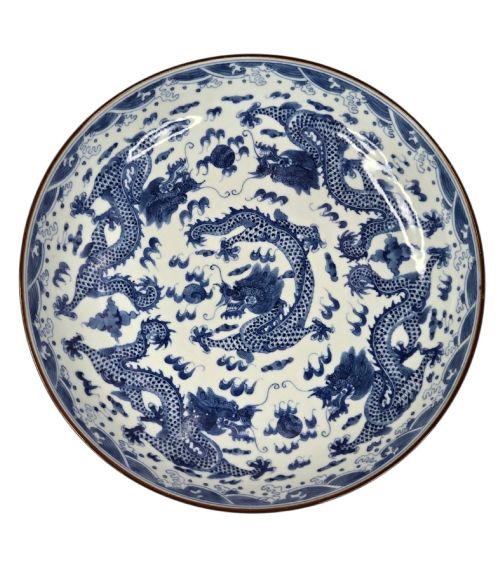
Makers utilised high-fired ceramic and porcelain bodies, applying cobalt underglaze for deep blue motifs before subsequent enamel painting and gilding with gold leaf. European works relied on meticulous hand-painting to render narrative figure scenes, requiring multiple kiln firings to set complex enamel colours.
Japanese export workshops combined traditional ceramic potting with surface techniques like Totai Shippo cloisonne on porcelain, fusing wirework enamel directly onto the ceramic body. Kilns in Arita and surrounding regions fired large plates at high temperatures to achieve the hard resonance typical of quality Imari ware.
What varies in quality
Physical scale and condition integrity also divide the range. Massive chargers exceeding fifty centimetres present significant technical challenges in the kiln, meaning unwarped, large-format pieces with intact gilding represent the upper tier of surviving examples.
Vienna Porcelain·Meissen·Samson Paris·Imperial Porcelain
The 19th Century Porcelain Charger Glossary
- Charger
- A large ornamental plate or shallow dish traditionally intended for display rather than dining. These pieces measure considerably larger than standard dinner plates.
- Imari
- A style of Japanese export porcelain characterised by a palette of cobalt blue, iron red, and gold. The tradition originates from kilns around Arita during the Edo period and continued strongly through the nineteenth century.
- Cabinet plate
- A smaller decorative porcelain plate produced for display within a cabinet or on a wall. They frequently feature detailed painted scenes.
- Cobalt underglaze
- A blue pigment applied to the raw ceramic body before glazing and firing. This technique protects the colour beneath a glossy finish.
- Gilt
- A thin layer of gold or gold leaf applied to ceramic surfaces to accentuate borders and decorative motifs. It reflects light across the rim of the dish.
19th Century Porcelain Charger: Frequently Asked Questions
How were chargers displayed in the nineteenth century?
Large plates were typically hung on walls using specialist wire brackets or arranged prominently on large sideboards and cabinets. Wealthy households used them as focal points in formal dining rooms and reception spaces.
Smaller cabinet plates rested on dedicated wooden stands or were housed behind glass doors to protect delicate hand-painted surfaces from dust and handling.
Can these plates still be hung on walls?
Many large chargers feature integrated pierced foot rings intended for hanging cords, though modern buyers usually prefer padded spring clips designed to distribute weight evenly across the rim.
Careful measurement of the plate diameter ensures the chosen bracket supports the specific weight of heavy nineteenth-century ceramic bodies safely.
What is the difference between an Imari plate and a charger?
The distinction lies primarily in physical scale and visual dominance. Chargers generally measure substantially wider than standard plates, transforming them into commanding central displays.
Both share the characteristic iron red, cobalt blue, and gilt palette associated with nineteenth-century Japanese export production from Arita.
How do I identify a Vienna porcelain mark?
Vienna pieces often feature a blue shield mark, sometimes referred to as the beehive stamp, pressed or painted under the glaze. This mark indicates porcelain produced or decorated in association with the imperial factory.
Individual pieces also frequently include handwritten titles of the depicted mythological scene alongside the decorator signature near the foot rim.