


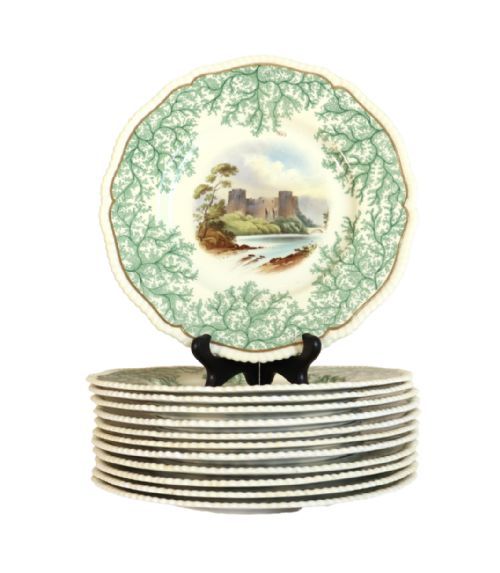
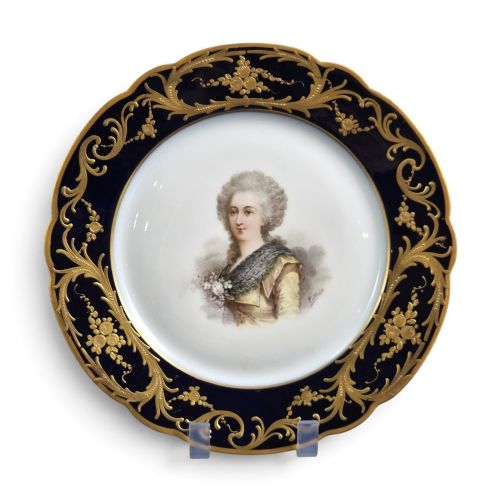
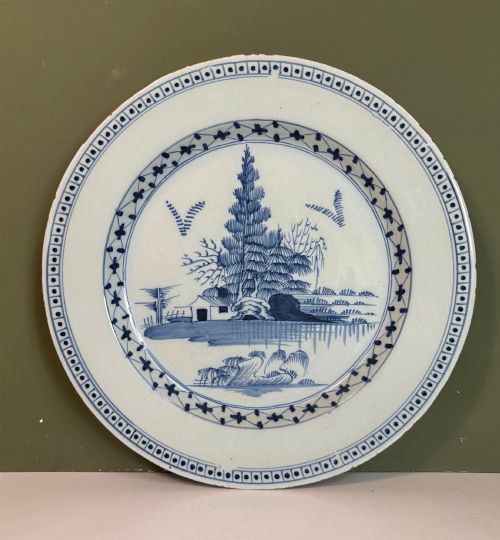

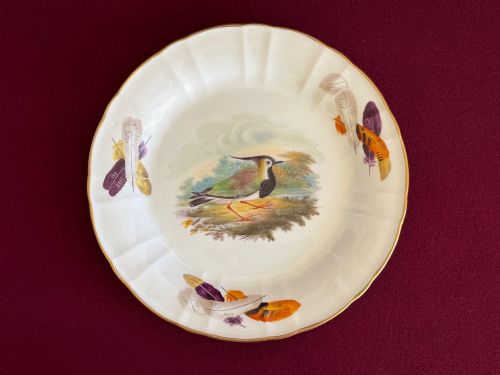



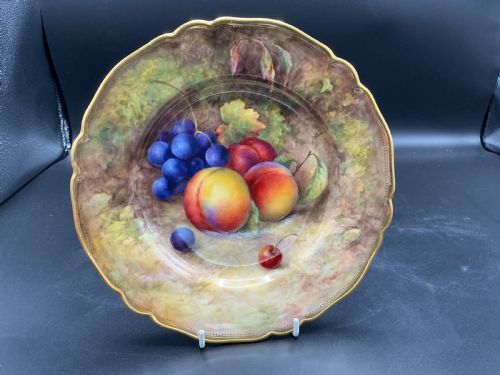
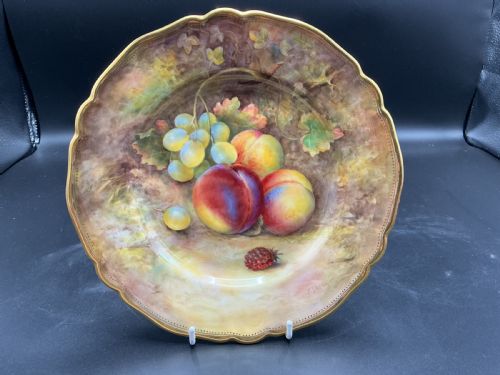
Hand Painted Wall Plate
A hand painted wall plate brings centuries of pigment and ceramic artistry directly into domestic interiors.
Hand Painted Wall Plate
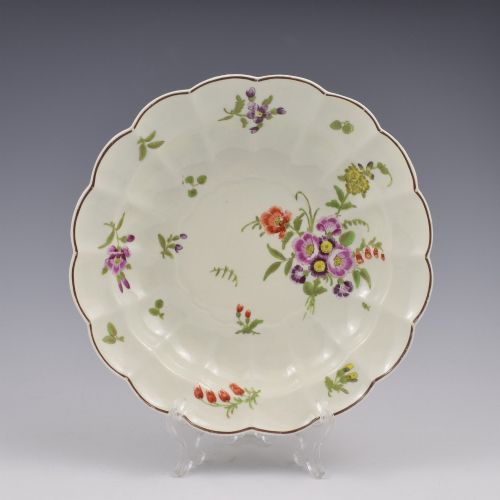
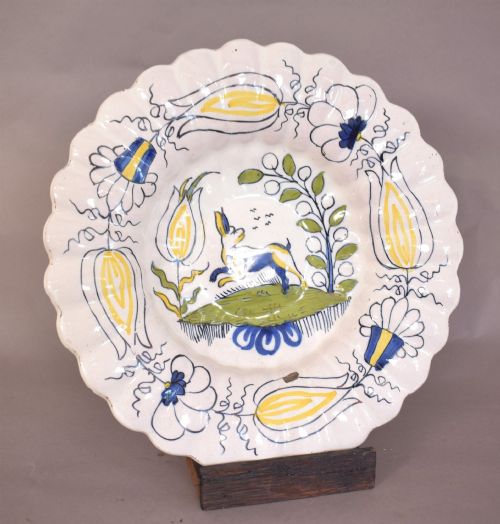
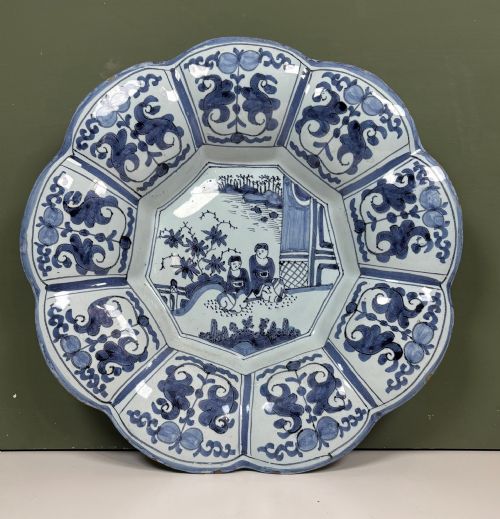
A hand painted wall plate spans centuries of domestic and decorative production, crossing English factories, continental works, and Japanese kilns. The pieces meeting this search phrase range from large tin-glazed chargers to delicate bone china cabinet plates.
Makers utilised various ceramic bodies, including porcelain, earthenware, and ironstone, shaped into dishes, plaques, and deep chargers. These items were designed both for formal display and functional service before shifting strictly to decorative display.
The inventory on this page reflects output from the eighteenth century through to the mid-twentieth century, capturing Georgian, Victorian, and Meiji aesthetics. Collectors encounter everything from Dutch Delftware to Royal Worcester fruit plates.
Materials and production methods
Potters shaped ceramic and porcelain bodies by hand or mould before applying tin-glaze, enamel, or standard glaze layers. Artisans then hand-painted intricate floral, ornithological, and landscape motifs directly onto the prepared surface.
Gold leaf and rich cobalt pigments frequently appear across pieces, requiring precise kiln firings to bond the metallic and mineral colours to the underlying paste. Many items combine underglaze blue painting with vibrant overglaze enamel highlights.
Listings feature porcelain, earthenware, and tin-glazed bodies spanning the 18th, 19th, and 20th centuries.
Assessing quality in painted ceramics
The distinction between tiers rests upon the dexterity of the brushwork and the clarity of the painted subject. Master painters executing botanical studies or historical scenes demonstrate superior control compared to standard factory output.
The purity of the porcelain or tin-glazed body and the stability of the glaze during firing dictate the longevity and visual impact of the piece. Provenance and identifiable artist signatures further elevate specific cabinet plates.
Royal Worcester·Spode·Meissen·Royal Crown Derby·Minton·Copeland Pottery·Wedgwood·John Davenport
The Hand Painted Wall Plate Glossary
- Charger
- A large decorative plate or dish traditionally intended for display on a sideboard or wall rather than dining use.
- Tin-glazed earthenware
- Pottery coated with a white tin oxide glaze that provides an opaque surface for painted pigments, common in Delftware.
- Cabinet plate
- A fine ceramic plate produced specifically for display in a cabinet or on a wall rather than for practical table service.
- Imari
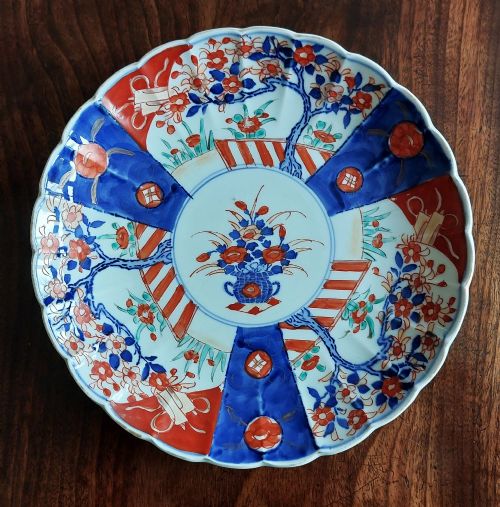
- A Japanese style of porcelain featuring a palette of underglaze blue, iron red, and gold, widely imitated in Europe.
- Polychrome
- Decoration utilising multiple distinct colours painted across the ceramic surface.
Hand Painted Wall Plate: Frequently Asked Questions
How do I hang a heavy charger?
Heavy ceramic chargers require specialised wall mounting hardware that distributes weight evenly across the rim without causing structural stress to the ceramic body.
Spring-loaded brass wire hangers or custom wooden brackets secure the piece safely against the wall surface.
Were these plates used for dining?
Many items categorized as cabinet plates or chargers were created purely for ornamental display in domestic interiors rather than daily dining.
Larger chargers historically served ceremonial purposes or decorated sideboards before transitioning to wall display.
How do I identify Delftware?
Delftware typically consists of tin-glazed earthenware featuring blue or polychrome painted designs executed on a white opaque background.
Examining the unglazed footrim often reveals porous earthenware body characteristics common in seventeenth and eighteenth-century production.
What is an Imari pattern?
Imari refers to a distinct decorative style originating in Japan during the Edo period, characterised by iron red, cobalt blue, and gold detailing.
European factories frequently copied these Japanese aesthetics onto ironstone and porcelain bodies during the nineteenth century.