



Gilded Vienna Porcelain Plaque
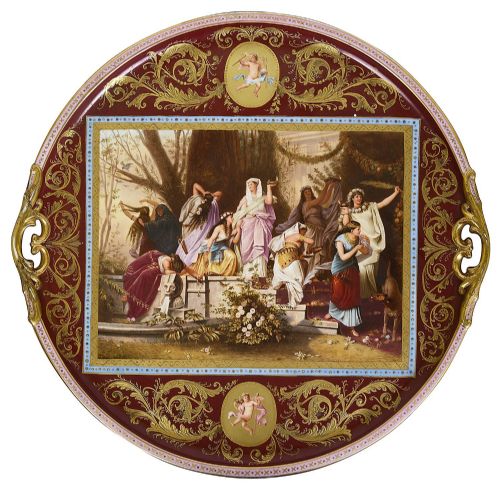
These gilded vienna porcelain plaque items are richly painted cabinet pieces and chargers that bring nineteenth century neoclassical mythology into your home.
Gilded Vienna Porcelain Plaque
When you search for gilded vienna porcelain plaque, you find large chargers, decorative plates, trays, and table forms created across the nineteenth century. These objects function primarily as display pieces rather than utility items, often featuring mythological or classical narrative scenes painted in fine detail.
The versions most commonly met on this page date from the nineteenth century, including pieces specifically attributed to 1890 and around 1850. They appear in Neoclassical, Grand Regency, Historicism, and Rococo Revival styles, demonstrating the persistent nineteenth century taste for classical antiquity.
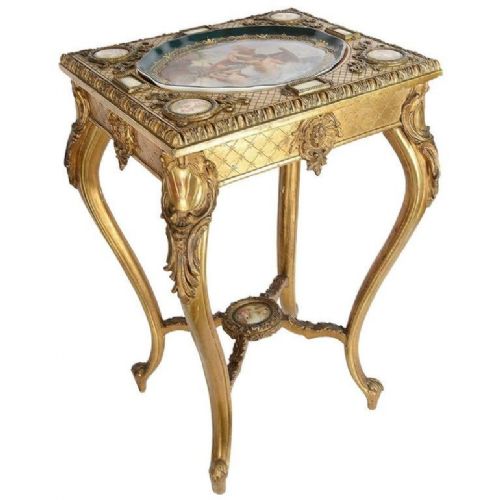
Forms range from cabinet plates and chargers spanning significant diameters to mounted side tables incorporating porcelain elements. Certain examples bear signatures from artists such as Wagner, adding a distinct layer of individual authorship to the painted surface.
How they were made
The foundational body consists of hard-paste porcelain, shaped into large chargers, plates, and trays that provide a smooth white canvas for detailed enamel painting. Artisans applied vibrant enamels to render complex narrative subjects like 'King Tristan's Death' and 'Venus in the Forge of Vulcan'.
Rich application of gold leaf and gilding frames the central painted reserves, often complemented by giltwood or ormolu mounts on furniture forms like side tables. This combination of vitreous enamel and raised gold work requires precise kiln firing to fuse the metallic lustre onto the porcelain glaze.
Listings feature items exclusively from the nineteenth century, including specific dates such as 1850 and 1890.
What varies in quality
The distinction between standard production and the finest work lies in the execution of the hand-painted mythological scenes and the density of the gilding. Superior examples display meticulous brushwork in the figures and faces, whilst lesser pieces rely on simpler decorative borders.
Scale and format also define the upper tier, with exceptionally large chargers and mounted furniture pieces demanding greater technical skill in porcelain firing and metal mounting than standard cabinet plates.
The Gilded Vienna Porcelain Plaque Glossary
- Cabinet plate
- A decorative ceramic plate intended strictly for display in a cabinet or on a wall rather than for dining. These items frequently feature elaborate painted scenes.
- Charger
- A large decorative plate or tray used historically for ceremonial display or serving. In nineteenth century production, these function as grand canvases for classical narratives.
- Ormolu
- Gilded bronze mounted onto decorative objects or furniture. It provides a bright metallic contrast to porcelain and giltwood elements.
- Enamel
- Vitreous coloured glass fused to the porcelain surface through firing. This technique allows for permanent, highly detailed miniature painting.
- Neoclassical
- An artistic style drawing inspiration from the classical art and culture of ancient Greece and Rome. It dominates the decorative motifs found on these nineteenth century pieces.
Gilded Vienna Porcelain Plaque: Frequently Asked Questions
What are vienna porcelain plaques?
These items are nineteenth century decorative ceramics, including chargers, cabinet plates, and trays painted with classical and mythological scenes.
They showcase intricate enamel work combined with heavy gilding, reflecting historical revival styles.
How were these chargers used?
Historically, large chargers and cabinet plates served as display pieces to demonstrate wealth and artistic appreciation in formal interiors.
Mounted examples also appeared integrated into furniture, such as side tables.
How do I display them safely?
Display these pieces using secure plate hangers or dedicated stands designed for heavy porcelain chargers and cabinet plates.
Keep them away from direct sunlight to preserve the vibrant enamel colours and gold leaf.
How can I tell the period?
Nineteenth century pieces often feature historicist revival styles, classical narrative titles, and specific ceramic formulations characteristic of the era.
Signed works and specific date markers like 1890 help narrow the timeline.