





Royal Vienna Porcelain Plate
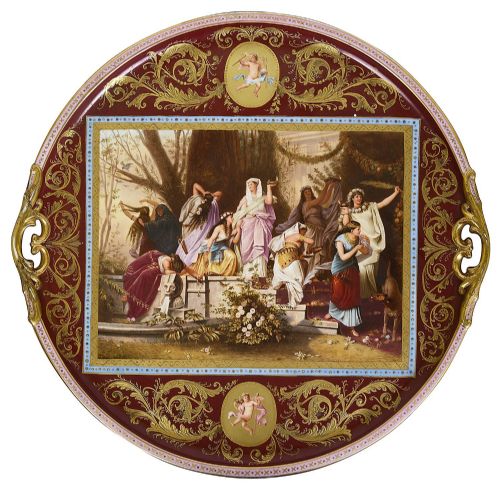
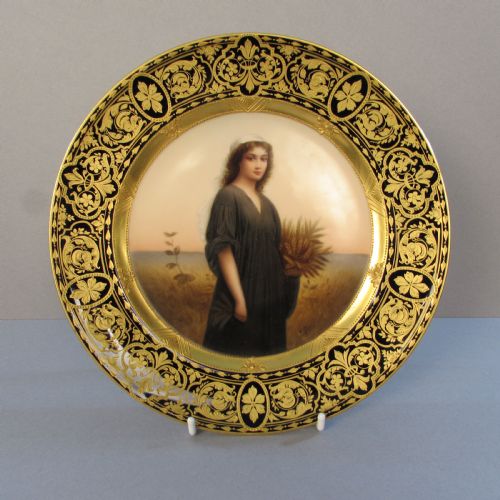
These royal vienna porcelain plate examples bring classical hand-painted artistry and rich gilding directly to a cabinet display.
Royal Vienna Porcelain Plate
A royal vienna porcelain plate is a decorative ceramic piece often taking the form of a large charger, cabinet plate, or tray. These objects display detailed painted mythological, historical, or literary scenes, such as the death of Tristan or Venus in the forge of Vulcan.
The pieces appearing on this page originate predominantly from the nineteenth century, including specific dates around eighteen-ninety and nineteen-twenty. Makers and artists occasionally signed their painted works, as seen with signatures like Wagner, Sibl, and S. Stanley.
Forms range from standard cabinet plates to pierced examples and expansive chargers reaching sixty centimetres in diameter. Collectors encounter styles spanning neoclassical revival, grand regency, and vienna historicism.
Qualities That Separate Examples
The fineness and complexity of the hand-painted figural scenes dictate the visual success of each piece. Skilled artists rendered facial expressions, classical drapery, and anatomical details with far greater precision than standard workshop production.
The application of gold leaf and cobalt glaze influences the overall presence of the object. Heavy, burnished gilding and intricate pierced borders elevate a charger above simpler painted plates.
Listings feature items from the nineteenth century up to nineteen-twenty, utilising porcelain, enamel, gold leaf, and cobalt glaze.
The Royal Vienna Porcelain Plate Glossary
- Cabinet plate
- A decorative plate intended for display in a cabinet or on a wall rather than for dining. These pieces showcase elaborate painted scenes and ornamental gilding.
- Charger
- A large decorative plate or tray used for display. In this collection, chargers frequently feature mythological or historical narratives.
- Cobalt glaze
- A deep blue ceramic colourant applied under or over the glaze. It provides a rich contrasting background for gold leaf decoration.
- Gilding
- The application of gold leaf or gold powder to ceramic surfaces. It creates metallic highlights and frames the central painted artwork.
- Pierced porcelain
- Ceramic work featuring cut-out sections forming openwork patterns along the rim. This technique adds lightness and decorative complexity to cabinet plates.
Royal Vienna Porcelain Plate: Frequently Asked Questions
What is a royal vienna porcelain plate?
A royal vienna porcelain plate is an ornamental ceramic piece decorated with hand-painted classical or historical scenes. These items often feature cobalt blue grounds and heavy gold leaf detailing.
Such plates were produced for display in cabinets or on walls rather than practical table use. Nineteenth-century examples frequently depict mythological subjects and literary narratives.
How do you display a cabinet plate?
Cabinet plates and chargers are generally exhibited using dedicated wall hangers or supported stand displays. Their detailed painted surfaces benefit from placement in well-lit areas away from direct handling.
Because many examples measure considerable diameters, sturdy plate stands or secure wall fixings are necessary for safe presentation.
Who painted these porcelain plates?
Various plates feature painted artwork signed by period artists such as Wagner, Sibl, or S. Stanley. These painters specialised in reproducing classical narratives and historical compositions on porcelain.
Signed works demonstrate the individual hand of a skilled porcelain painter working within nineteenth-century traditions.
How are different periods identified?
Periods are determined through stylistic indicators such as neoclassical revival designs, historicism, and grand regency motifs. Specific dates occasionally appear marked or attributed to the nineteenth century and nineteen-twenty.
Material characteristics like cobalt glaze depth and gilding style also help contextualise the production era.