






Porcelain Display Wall Dish
When you select a porcelain display wall dish, you choose a decorative ceramic piece intended for vertical display rather than daily dining.
Porcelain Display Wall Dish
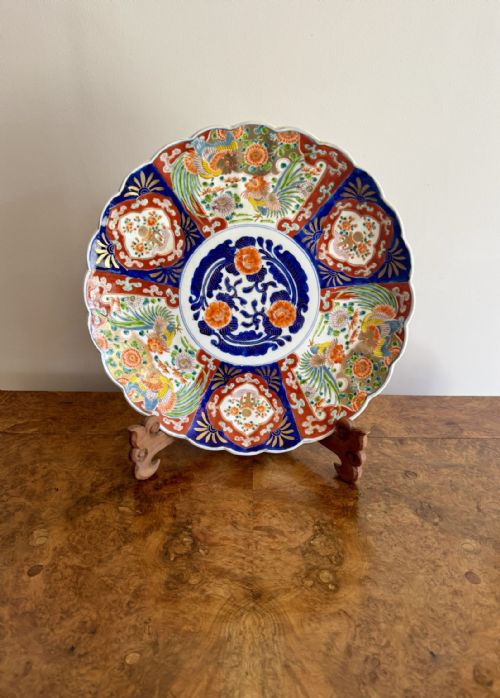
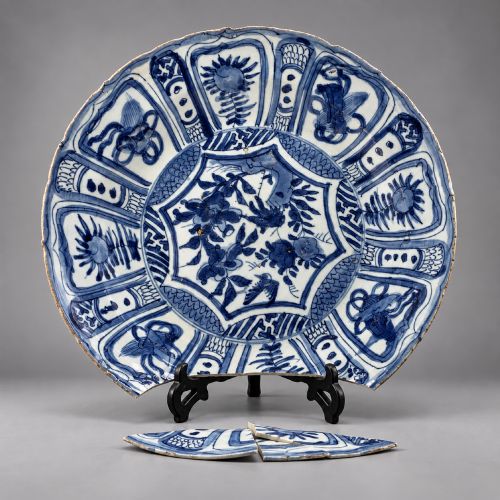
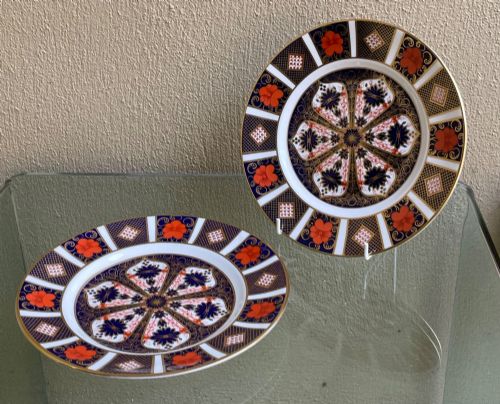
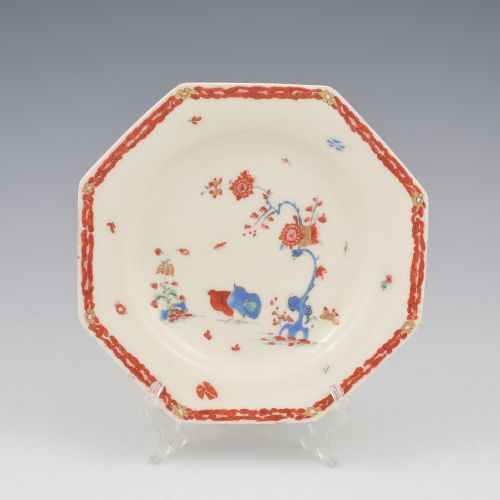
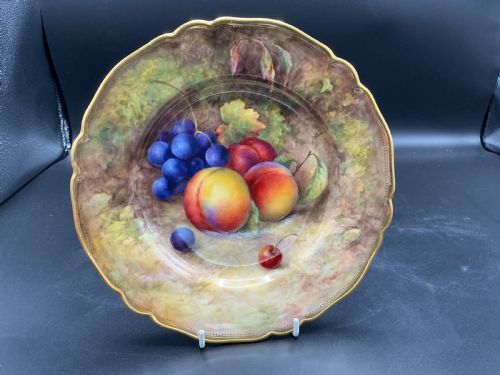
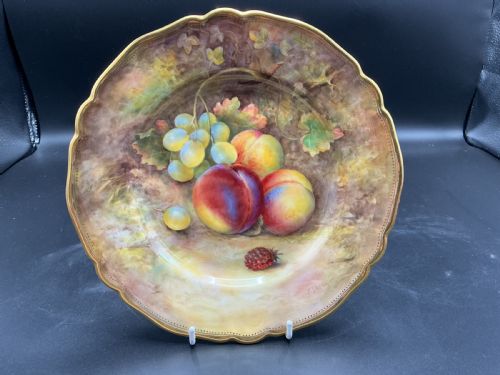
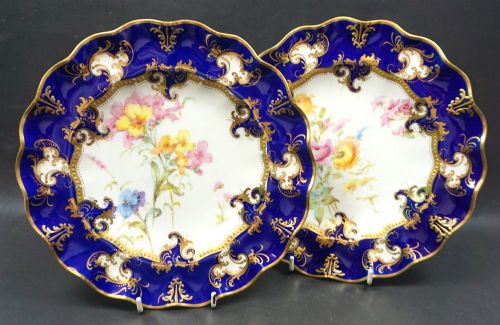
A porcelain display wall dish acts as a colourful focal point in a room, combining fine ceramics with hanging utility. The pieces seen here span centuries of production, ranging from eighteenth century Delft and Bow factories to later Victorian and twentieth century Worcester and Japanese Imari examples.
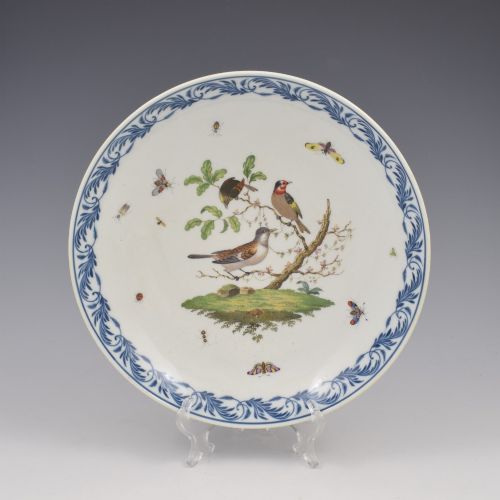
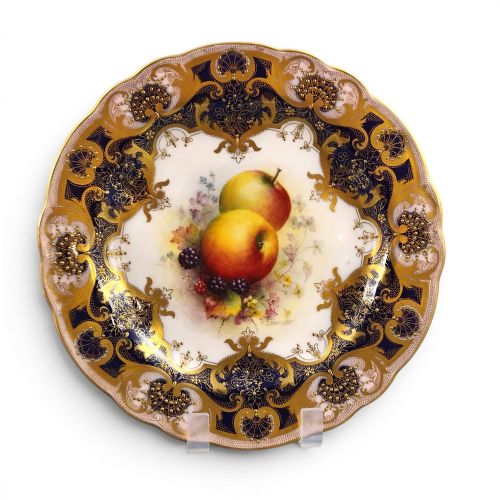
Buyers encounter various forms, including cabinet plates, chargers, and lobed dishes designed primarily for visual appreciation. Japanese Meiji period examples and European works featuring hand-painted birds or fruit dominate the selection.
How they were made
Potters shaped fine clay, bone china, or earthenware before applying glaze and mineral pigments such as cobalt. Artisans then fired the pieces in kilns to fuse the glassy coatings to the ceramic body.
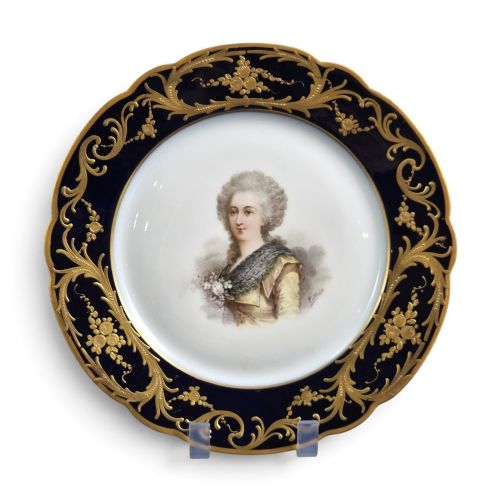
Painters applied intricate details using enamel colours, sometimes adding gold leaf or gilt highlights for rich decorative effect. Workshops often marked the finished items with factory symbols or artist signatures.
Listings feature porcelain pieces spanning the eighteenth century through to the twentieth century, incorporating bone china and earthenware.
What varies in quality
The precision and detail of the hand-painted motifs separate standard wares from exceptional examples. Skilled artists produced finely rendered birds, portraits, and botanical scenes with careful brushwork.
The crispness of the porcelain paste, the brilliance of the glaze, and the richness of the gilt or enamel decoration determine the overall execution. Well-preserved surfaces retain their original colour intensity without rubbing.
Koshida·Royal Crown Derby·Wedgwood·Royal Worcester·Meissen·Edmé Samson And Cie·Royal Doulton·Furstenberg
The Porcelain Display Wall Dish Glossary
- Cabinet plate
- A decorative ceramic plate made for display in a cabinet or on a wall rather than for practical table use. These items typically feature elaborate hand-painted scenes.
- Charger
- A large decorative plate utilised traditionally as a base for other courses or hung on walls for display. They offer an expansive surface for complex patterns.
- Imari
- A style of Japanese porcelain featuring a distinct palette of underglaze blue, iron red, and gilt accents. The method originated in Japan and influenced European ceramic production.
- Cobalt pigment
- A mineral oxide utilised by potters to produce deep blue underglaze decoration on ceramics. The material withstands high kiln temperatures without losing its intense hue.
- Reticulated plate
- A ceramic dish featuring pierced or openwork lattice patterns cut into the rim. This technique requires considerable skill during the drying and firing stages.
Porcelain Display Wall Dish: Frequently Asked Questions
How do I hang a wall dish safely?
Mounting a ceramic dish requires a specialised spring-tension hanger that grips the rim securely without causing damage to the porcelain body. Ensure the wall fixing is anchored properly to support the weight of larger chargers.
Check the tension of the prongs periodically to guarantee the piece remains firmly secured against the vertical surface.
What is the difference between a cabinet plate and a charger?
Cabinet plates generally measure smaller and showcase detailed artistic painting intended for close visual inspection. Chargers provide a much larger diameter, offering expansive surfaces suited for display on walls or large stands.
Both forms prioritize visual decoration over functional dining use.
How can I identify Japanese Imari porcelain?
Japanese Imari porcelain typically displays a combination of cobalt blue underglaze and iron red overglaze, frequently enhanced with gold leaf details. The decorative motifs often incorporate intricate floral and avian patterns.
Examining the paste and foot ring helps distinguish these pieces from European reproductions.
Are these dishes safe for food use?
Antique display dishes are intended for visual appreciation and interior decoration rather than dining. Older glazes and enamels may contain materials unsuited for contact with food and acidic items.
Displaying these pieces on walls or in cabinets preserves their painted surfaces from wear.