



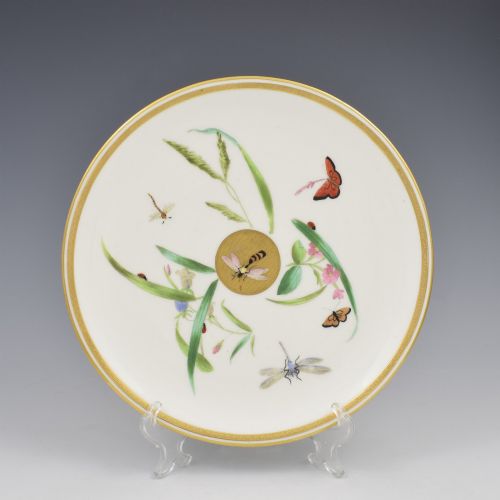
Gilded Porcelain Wall Plate
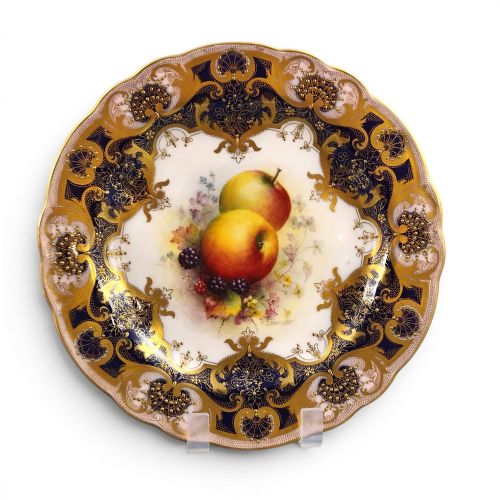
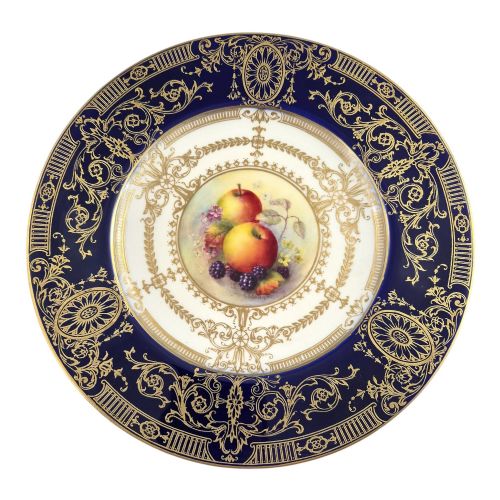
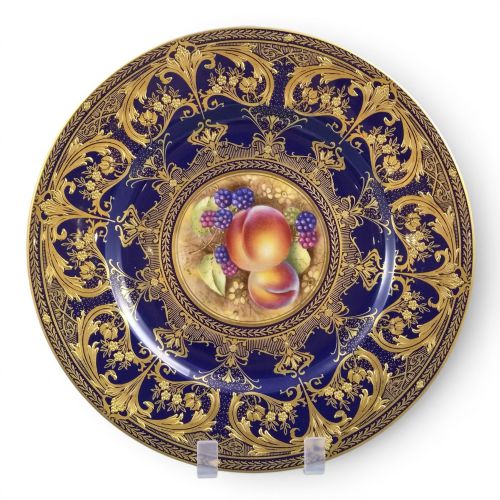
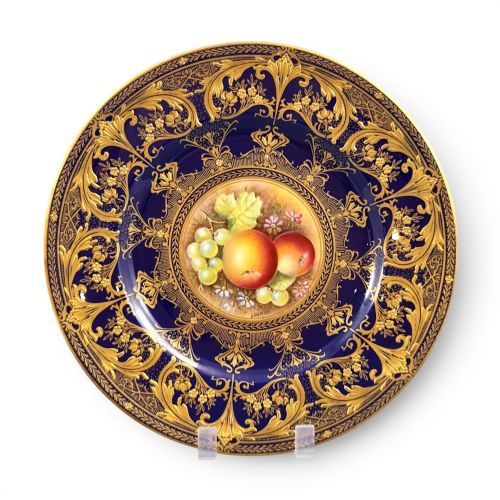
A gilded porcelain wall plate brings colour, hand-painted detail and metallic lustre directly onto display.
Gilded Porcelain Wall Plate
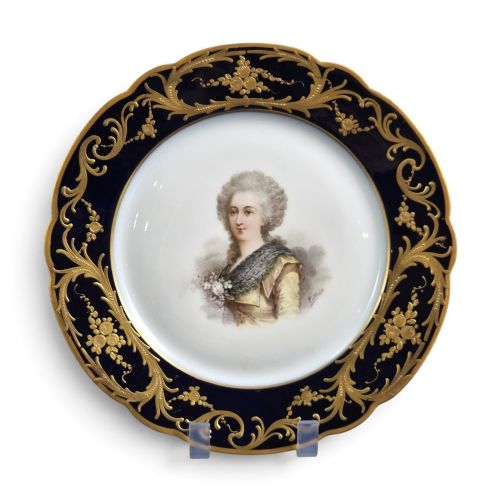
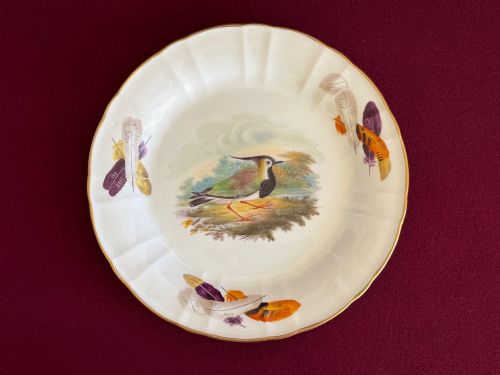
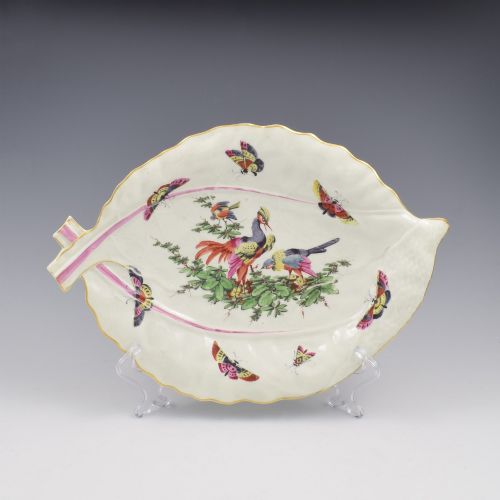
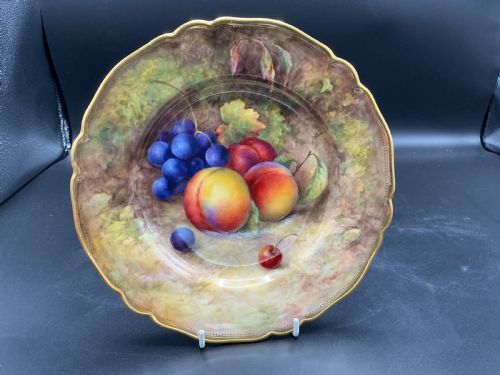
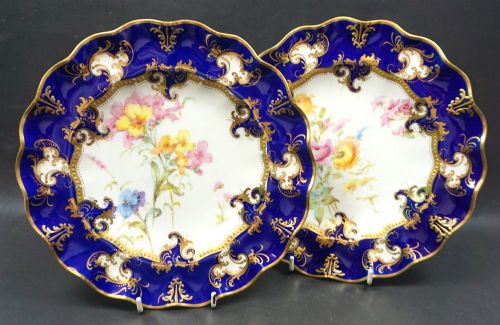
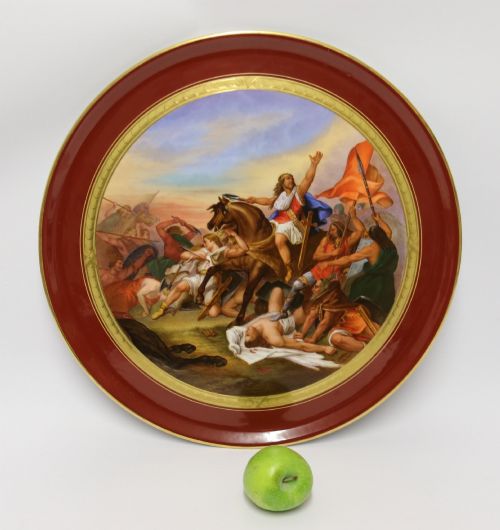
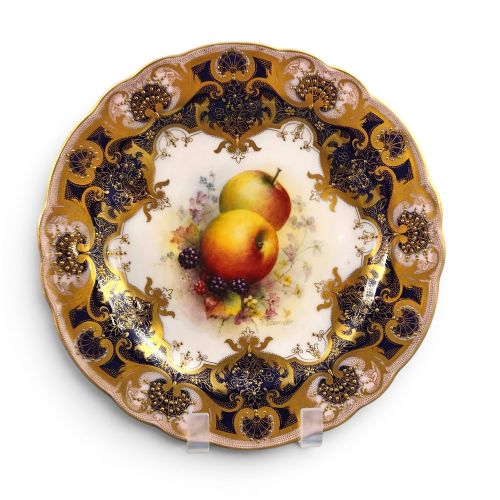
A gilded porcelain wall plate is primarily a decorative object rather than functional tableware, designed for display in cabinets or mounted directly onto walls. When exploring this selection, a buyer encounters pieces originating from major European factories, English potteries and Japanese kilns spanning the eighteenth century through to the mid-twentieth century. The forms range from standard cabinet plates and shallow dishes to large decorative chargers and lobed dessert shapes.
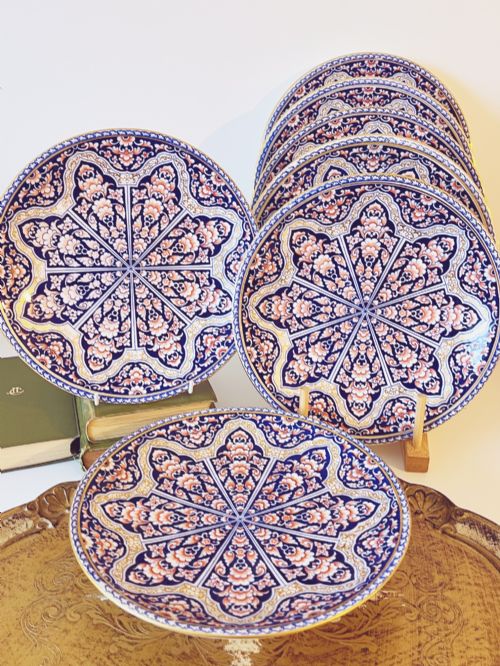
The aesthetic vocabulary encompasses traditional English botanical painting, French historical scenes, Japanese Imari patterns and Rococo Revival styling. Most examples found here date from the nineteenth and early twentieth centuries, reflecting the high Victorian and Edwardian appetite for elaborate surface decoration and metallic enrichment. These items served historically to showcase wealth, artistic taste and the technical skill of leading ceramic houses.
How they were made
The physical basis of these items relies on hard-paste porcelain, bone china or soft-paste porcelain bodies, shaped on wheels or pressed into moulds before initial firing. Artisans then applied underglaze cobalt or hand-painted enamel colours depicting birds, fruit, landscapes or portraits, requiring subsequent kiln firings to fuse the pigments securely to the glaze.
Gold leaf, gilt or liquid gilding was applied to the rims, borders and raised motifs as a final decorative layer, often fixed by low-temperature firing and hand-burnished to achieve a bright metallic sheen. Moriage techniques appeared on Japanese wares, building up raised clay paste beneath the gilding and enamels to create tactile relief patterns.
The listings here encompass porcelain and bone china forms spanning the eighteenth, nineteenth and twentieth centuries.
What varies in quality
The standard of a gilded porcelain wall plate depends largely on the expertise of the hand painting and the precision of the gilding. Master painters working for established manufactories achieved fine, lifelike detail in fruit, figures and foliage, whereas lesser pieces show mechanical transfer printing or hurried brushwork.
The thickness, purity and burnishing of the gold application dictate the visual depth of the metallic borders. Superior pieces retain crisp relief modelling, well-balanced compositions and clear factory or artist signatures on the reverse, distinguishing studio-level artistry from mass production.
Koshida·Royal Crown Derby·Royal Worcester·Edmé Samson And Cie·Darte Brothers·Meissen·Pucher Deroche·Chamberlain S·Minton·Wedgwood·Royal Doulton
The Gilded Porcelain Wall Plate Glossary
- Cabinet plate
- A decorative ceramic plate intended purely for display in a cabinet or on a wall rather than for dining use. These often feature elaborate hand-painted scenes and heavy gilding.
- Charger
- A large decorative plate or dish, substantially wider than a standard dinner plate, frequently hung on walls or set on sideboard centres. Japanese Imari examples feature prominently in this category.
- Gilding
- The application of gold leaf, gold dust or liquid gold mixture onto the surface of porcelain to create metallic borders and highlights. Hand-burnishing enhances the reflective quality.
- Bone china
- A type of soft-paste porcelain incorporating animal bone ash, producing a strong, highly white and translucent body. It became a staple material for nineteenth-century English manufactories.
- Imari
- A style of Japanese export porcelain decorated in underglaze blue, iron red, and abundant gold. This aesthetic heavily influenced European ceramic design during the nineteenth century.
- Soft-paste porcelain
- An artificial porcelain compound composed of white clay and glass frit, fired at lower temperatures than hard-paste. It characterises many eighteenth-century English and early French wares.
Gilded Porcelain Wall Plate: Frequently Asked Questions
How do I hang a wall plate safely?
Wall plates require specialised spring-loaded brass wire hangers or adhesive disc mounts designed to distribute weight evenly across the reverse rim.
Selecting a secure wall fixing ensures the porcelain remains firmly displayed without placing undue stress on the body.
Were these plates used for dining?
Cabinet plates and large chargers served primarily as decorative display items in formal rooms rather than functional tableware.
Their delicate enamel work and extensive gilding meant they were preserved to showcase artistic skill and wealth.
How do I identify the period of a plate?
Dating relies on examining factory backstamps, impressed marks, pattern numbers and stylistic cues such as Victorian colour palettes or Regency borders.
Comparing the painting technique against known studio styles helps narrow down the era of production.
Can these plates be cleaned?
Dusting gently with a soft, dry feather duster or microfiber cloth prevents the accumulation of grime without risking the delicate enamel.
Water and cleaning solutions should be avoided to protect antique gilding from lifting or tarnishing.