


Blue and Gold China
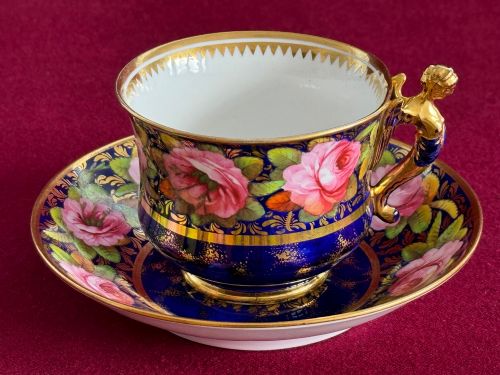
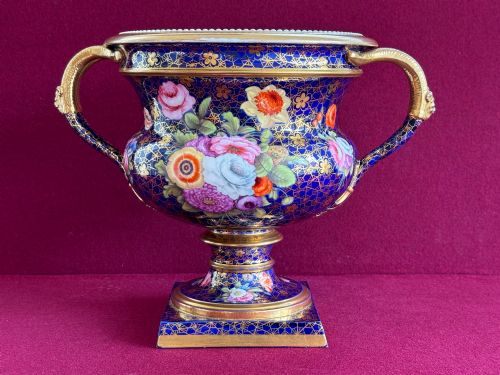
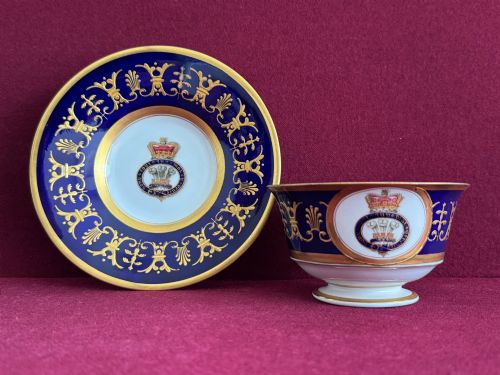
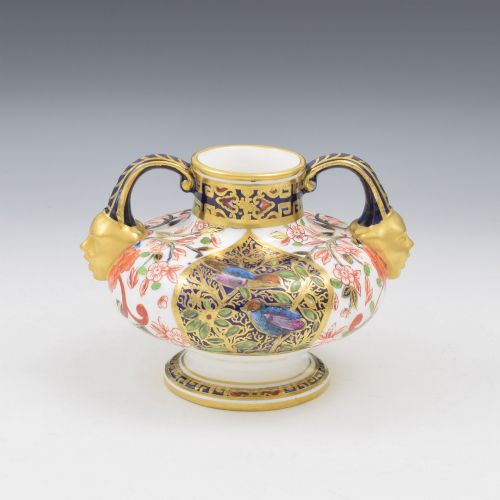
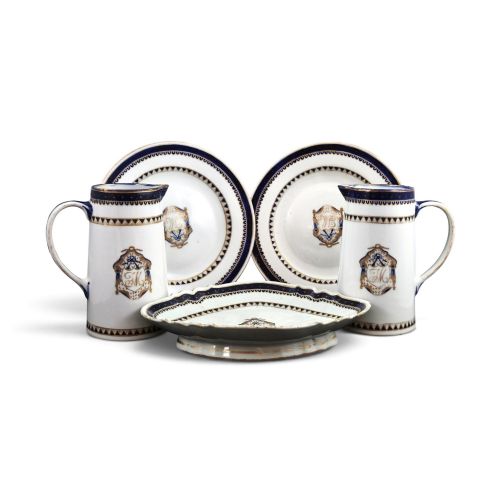
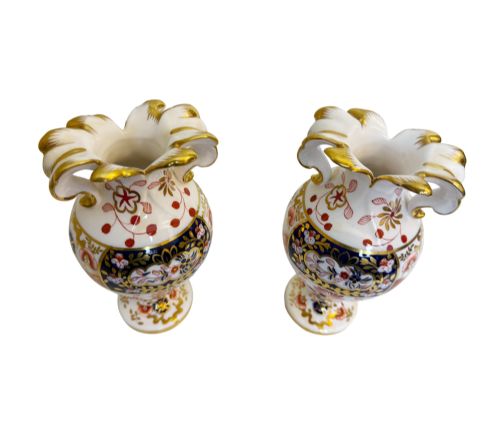
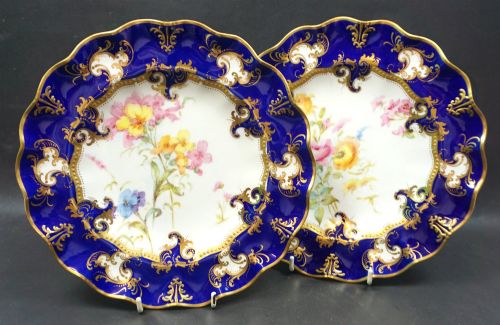
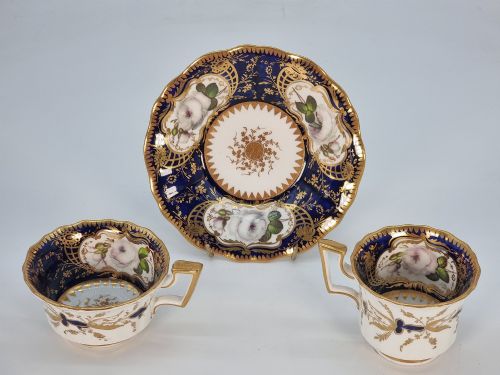
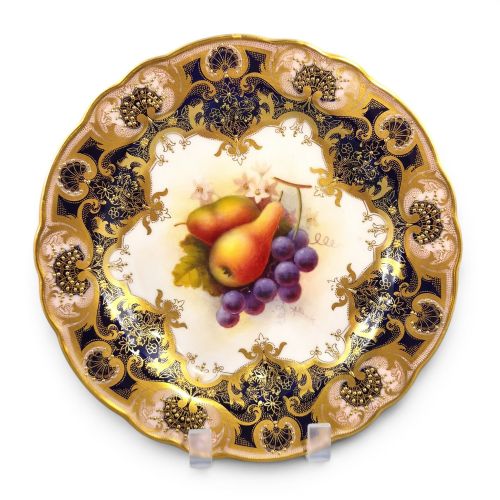
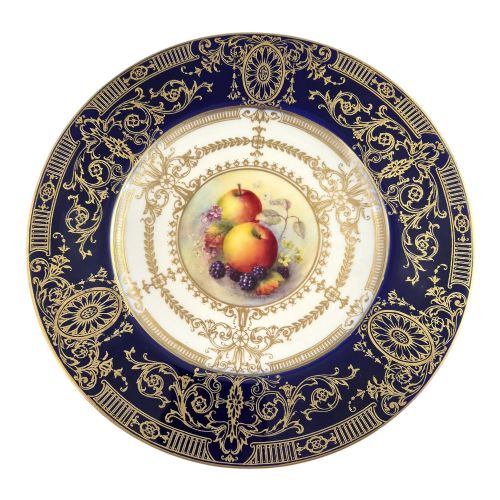
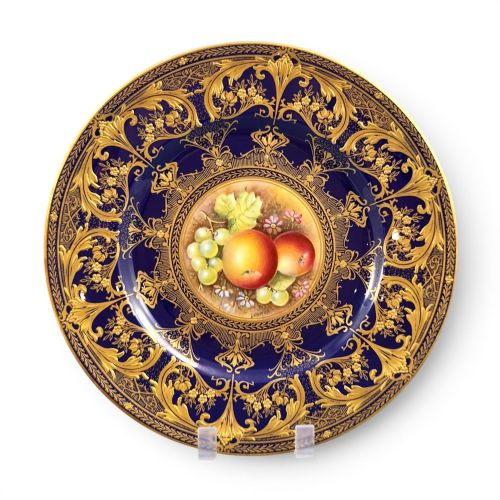
Blue and gold china brings together cobalt glazes and rich gilding across cabinet plates, vases, and teacups to catch the light in any room.
Blue and Gold China
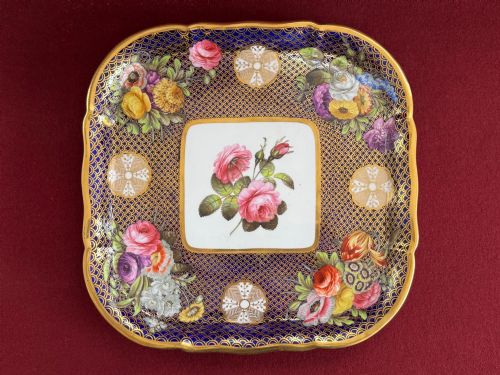
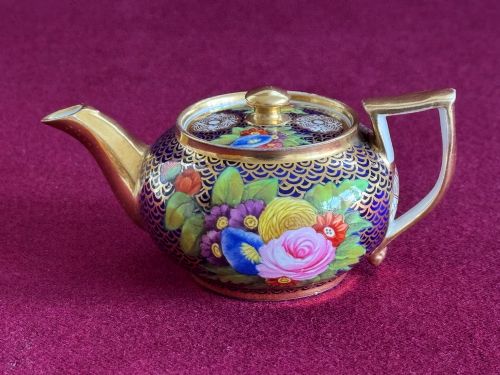
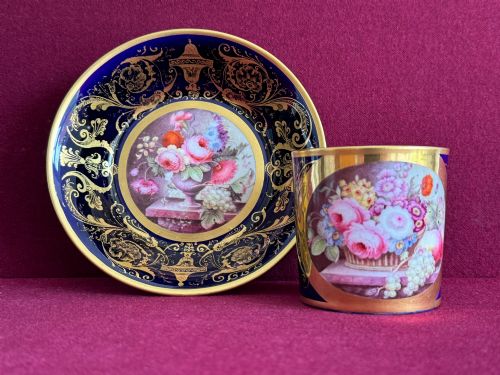
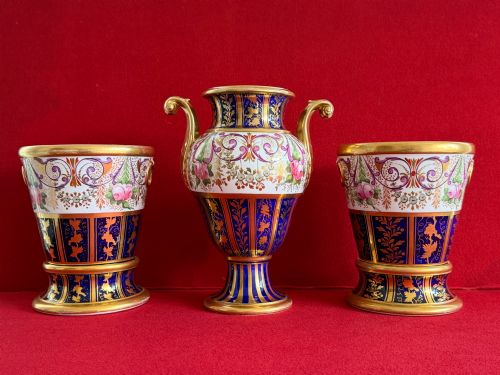
When searching for blue and gold china, buyers encounter rich decorative wares produced across the nineteenth and twentieth centuries by major English and European factories. The selection centres primarily on cabinet plates, decorative bowls, vases, and tea services designed for display rather than everyday dining.
The pieces on this page originate from periods including the Regency, Victorian, and Edwardian eras, alongside later twentieth-century studio output. Forms range from Coalport tea sets and Spode vases to Royal Worcester fruit plates painted by notable artists.
How they were made
Manufacturers utilised porcelain, bone china, and ironstone as bodies, applying deep cobalt blue grounds through glazing or enamel work. Artisans then added gold leaf, gilding, and hand-painted details such as florals and fruit before final firing.
Specialised techniques varied from transfer printing to intricate hand-painting by named artists, often combined with raised gilt tooling and intricate moulded borders.
Blue and Gold China Retail Price Guide 2026
Typical asking prices for blue and gold china among the pieces listed under this phrase on Sellingantiques today, from the lower quarter to the upper quarter. They describe what is for sale here now, not the wider market.
Artisans utilised cobalt blue glazes, enamel, and gold leaf across diverse styles from Regency to Art Deco.
What varies in quality
The standard of blue and gold china rests upon the precision of the hand-painting, the richness of the cobalt ground, and the depth of the gilding. Items decorated by named artists command higher regard for their artistic execution.
The crispness of moulded porcelain details and the historical significance of the manufactory, such as Worcester or Spode, further distinguish standard production wares from exhibition-grade cabinet pieces.
Royal Worcester·Royal Crown Derby·Coalport·Spode·Wedgwood·Doulton Burslem·Flight Barr And Barr·Meissen·Royal Vienna·Ridgway
The Blue and Gold China Glossary
- Cabinet plate
- A decorative plate intended for display in a cabinet or on a wall rather than for use at the table. These often feature elaborate hand-painted scenes and heavy gilding.
- Bone china
- A type of soft-paste porcelain containing bone ash, developed in England to provide durability and a brilliant white surface for cobalt and gold decoration.
- Gilding
- The application of gold leaf or powdered gold to the ceramic surface. This technique highlights rims, handles, and borders.
- Imari
- A decorative style characterised by the palette of underglaze blue, iron red, and gilt, adopted by various European factories including Spode.
Blue and Gold China: Frequently Asked Questions
What is blue and gold china?
Blue and gold china encompasses decorative ceramic wares featuring cobalt blue glazes paired with gold leaf or gilding. These items span porcelain, bone china, and ironstone.
Most examples function as display pieces, including cabinet plates, twin-handled vases, and decorative bowls from various European and English traditions.
How were these ceramics used historically?
These decorative items served primarily as status symbols and ornamental display pieces in nineteenth and twentieth-century drawing rooms. Tea services and dessert sets were reserved for entertaining esteemed guests.
Cabinet plates and painted bowls were displayed on walls or inside glass-fronted cabinets to showcase the owner's taste and wealth.
How do I care for blue and gold china?
Display these porcelain and bone china pieces away from direct sunlight to preserve the vibrancy of the enamel colours and cobalt grounds. Gentle dusting with a soft cloth maintains the surface.
Hand washing in lukewarm water with mild soap is necessary if cleaning is required, avoiding abrasive materials that might wear down the delicate gilding.
How do I identify the period of a piece?
Dating relies on factory backstamps, shape characteristics, and stylistic movements such as Regency, Victorian, or Art Deco. Hand-written pattern numbers and artist signatures also help narrow the timeline.
Comparing the paste material, such as early ironstone versus fine bone china, provides further clues to the manufacturing era.