




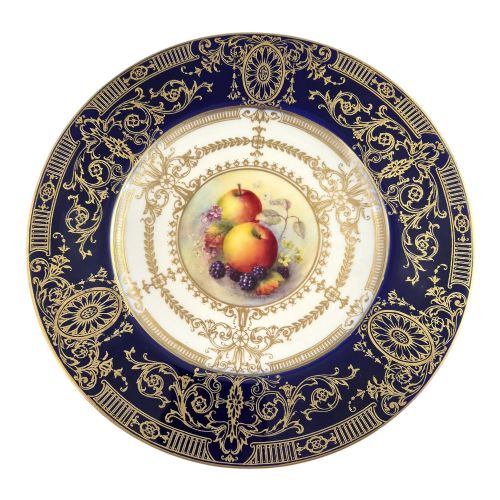
Decorative English Bone China
Decorative english bone china brings together centuries of skilled painting, gilding and ceramic form from historic English potteries.
Decorative English Bone China
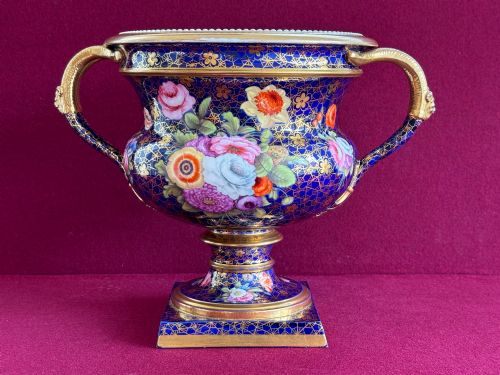
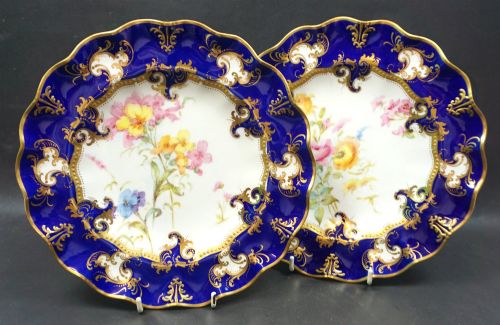
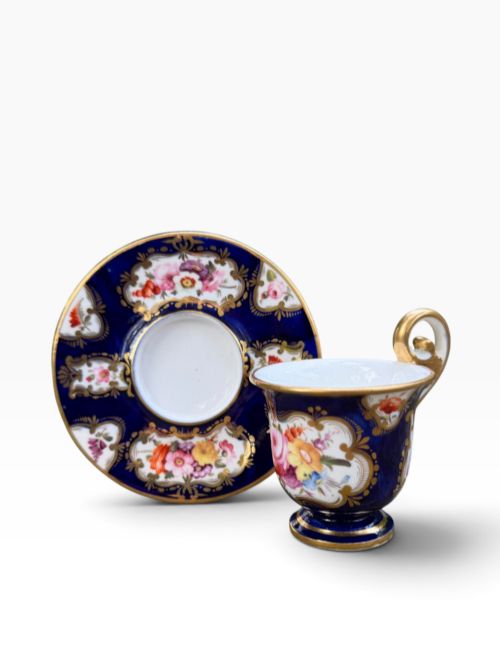
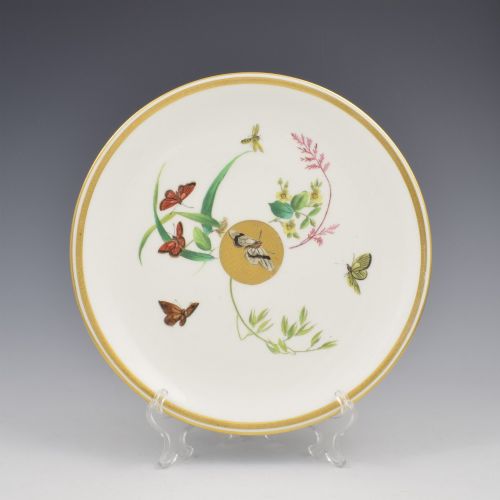
Decorative english bone china encompasses a wide range of decorative objects, from cabinet plates and dessert services to hand-painted vases and porcelain figurines.
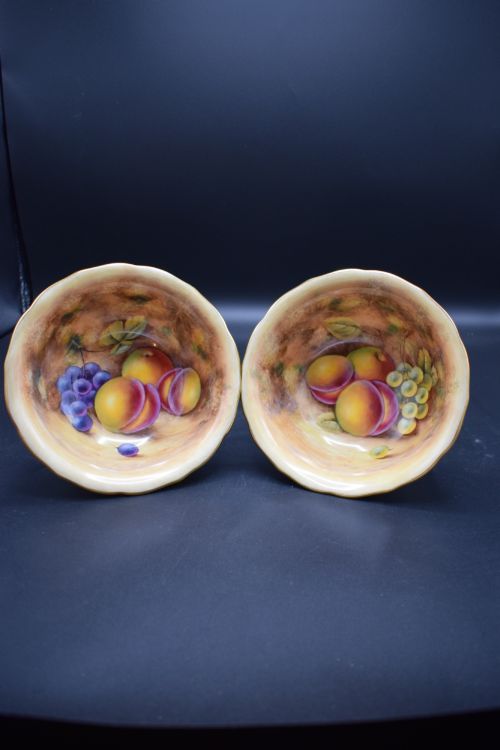
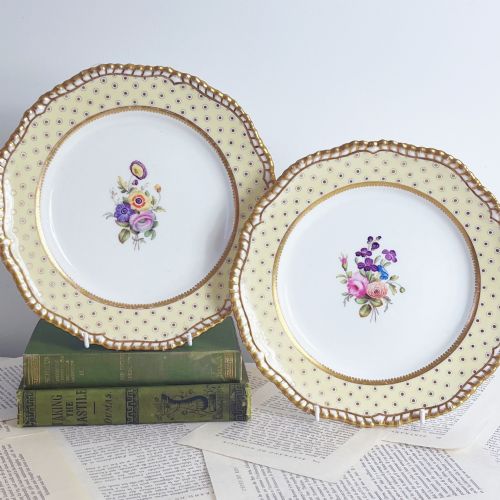
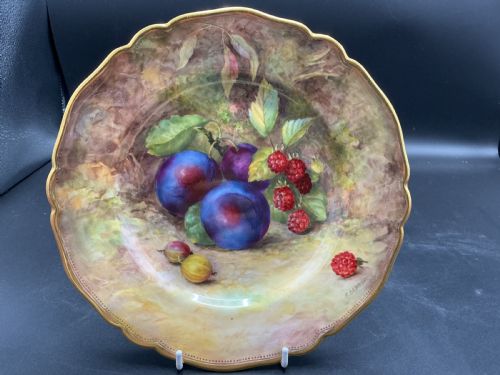
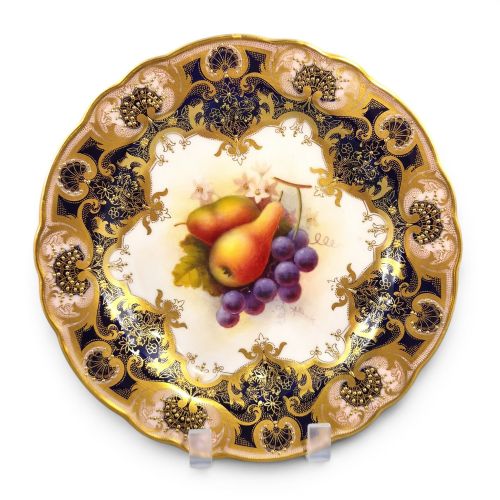
You will most frequently encounter cabinet plates and painted fruit dishes from the nineteenth and twentieth centuries, originating from renowned English houses.
The pieces on this page span diverse periods including the Victorian era, Edwardian years and the Art Deco period, showcasing traditional English craftsmanship.
Materials and Technique
Potters combined bone ash with china clay and stone to create a strong, bright white body capable of holding intricate painted details.
Artisans applied enamel colours and gold leaf by hand, firing the pieces multiple times to set the metallic lustre and vibrant pigments.
Decorative English Bone China Retail Price Guide 2026
Typical asking prices for decorative english bone china among the pieces listed under this phrase on Sellingantiques today, from the lower quarter to the upper quarter. They describe what is for sale here now, not the wider market.
Several cabinet plates feature hand-painted highland cattle and common terns, proving that nineteenth-century artists loved birds and beasts just as much as we do.
Assessment of Quality
The excellence of these pieces rests upon the precision of the hand-painting, particularly in complex subjects like fruit, birds and floral panels.
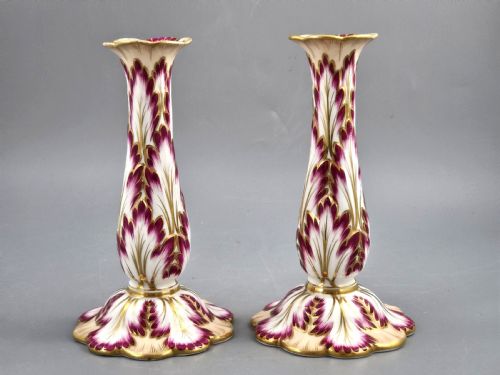
The richness of the gilding and the clarity of the porcelain body distinguish finer cabinet pieces from standard utility wares.
Royal Crown Derby·Royal Worcester·Coalport·Spode·Minton·Royal Doulton
The Decorative English Bone China Glossary
- Bone china
- A type of porcelain incorporating animal bone ash, which provides durability and a warm translucent quality.
- Cabinet plate
- A decorative plate intended for display in a cabinet rather than for table use.
- Gilding
- The application of gold leaf or gold paint to ceramic surfaces for decorative accent.
- Imari
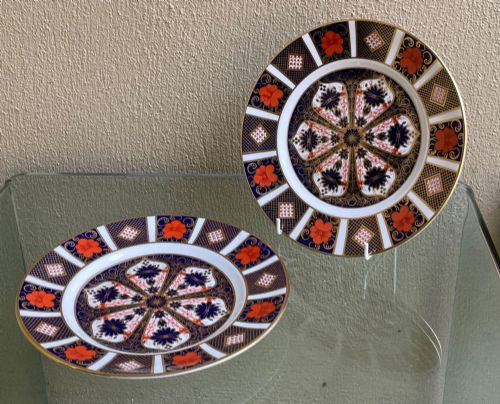
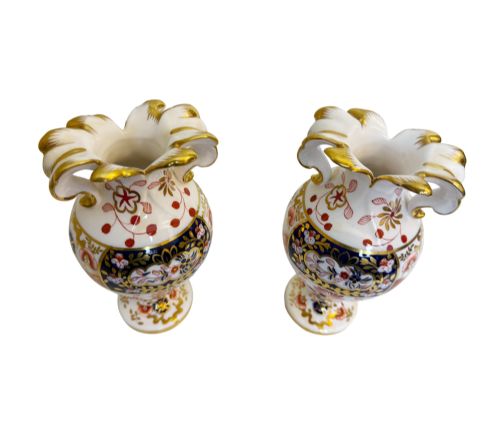
- A decorative style featuring rich underglaze blue and iron red, frequently highlighted with gold.
- Lustre glaze
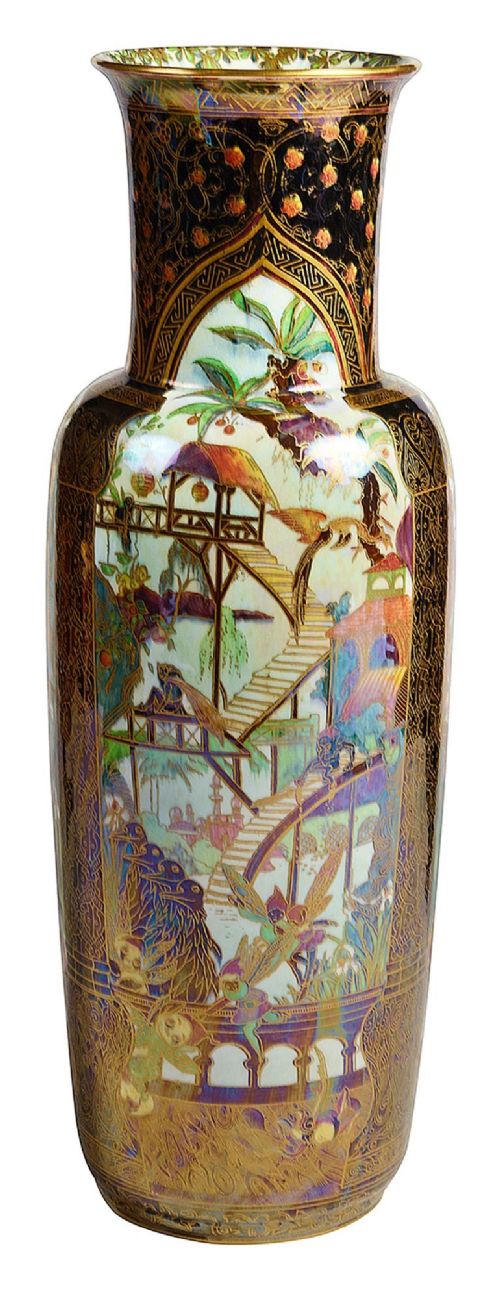
- A metallic glaze that produces an iridescent or pearlescent sheen when fired.
Decorative English Bone China: Frequently Asked Questions
What is decorative english bone china?
These pieces are fine ceramic objects created by historic English potteries for display and refined household use. They combine durable bone china bodies with intricate hand-painted artwork and gilding.
You will find forms ranging from cabinet plates and dessert services to vases and figurines spanning the nineteenth and twentieth centuries.
How were these pieces used?
Cabinet plates and decorative urns were primarily intended for display in drawing rooms and parlours to demonstrate the owner's taste and wealth. Dessert services and chocolate cups served formal dining functions among the well-to-do.
Over time, many functional service pieces transitioned into pure cabinet displays as their artistic value came to eclipse their utility.
How do I live with bone china?
Living with these pieces involves placing them securely in cabinets or on stable surfaces away from direct sunlight to preserve the enamel colours and gold leaf. Handle them with clean hands and keep them away from busy household traffic.
Hand washing in lukewarm water with mild soap is essential when cleaning is necessary, as dishwashers will ruin the historic gilding.
How do I identify periods and styles?
Identifying periods relies on examining maker's marks, pattern numbers, and stylistic cues such as Regency florals, Victorian Rococo revival curves, or Edwardian fruit painting. Many factories stamped or painted unique date ciphers directly onto the base.
Comparing the painting technique and the weight of the porcelain against known factory output from the nineteenth and twentieth centuries helps confirm the era.