






Vintage Porcelain Display Dish
A vintage porcelain display dish brings centuries of global ceramic artistry straight to your wall or cabinet.
Vintage Porcelain Display Dish
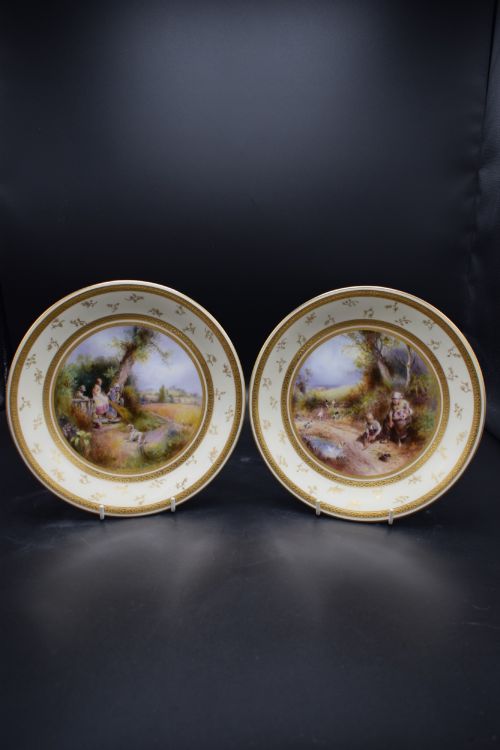
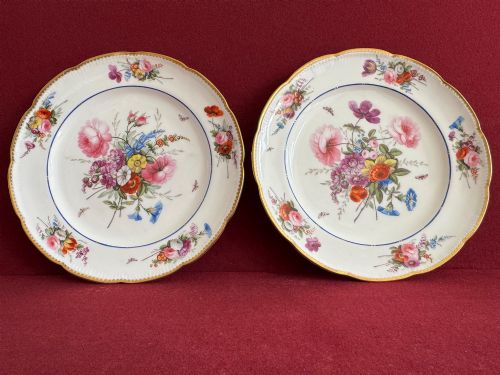
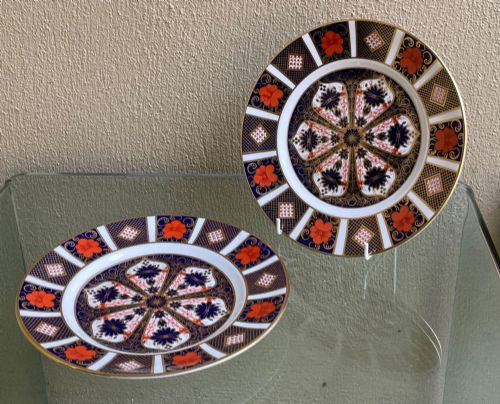
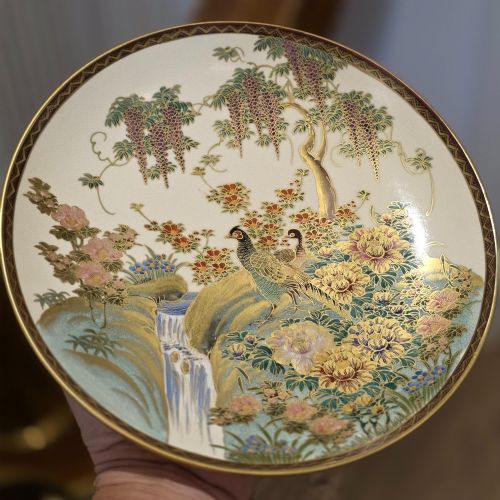
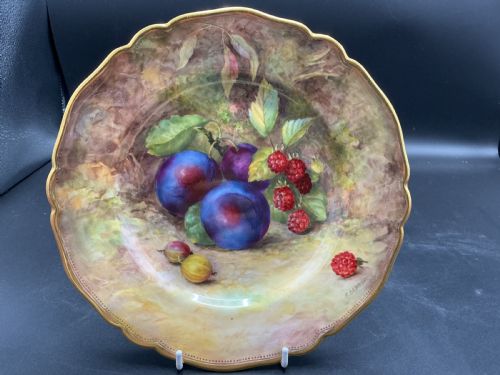
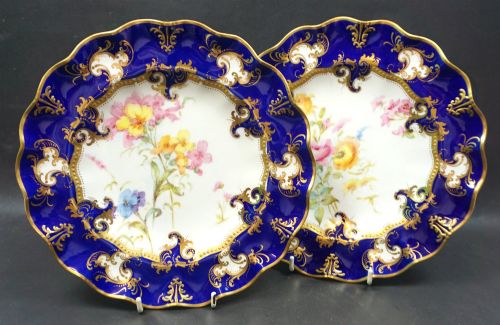
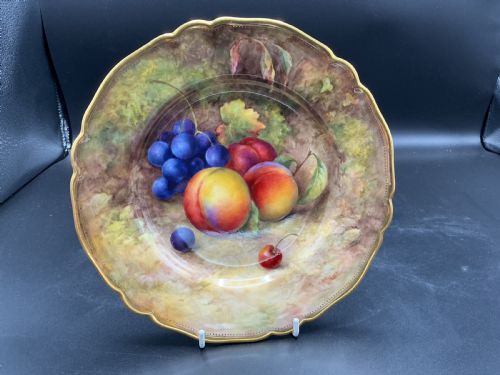
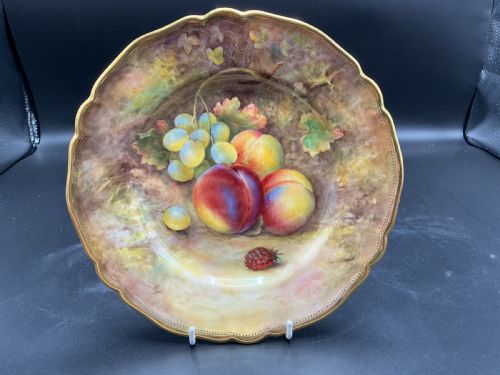
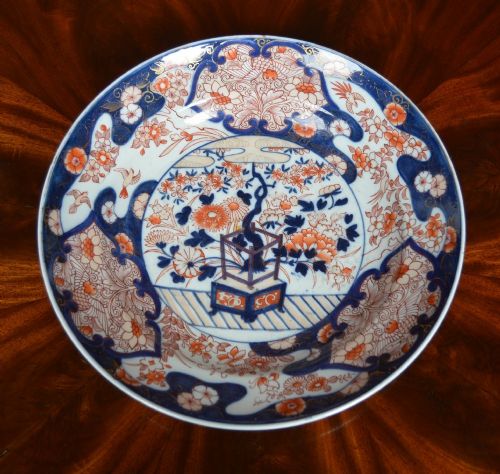
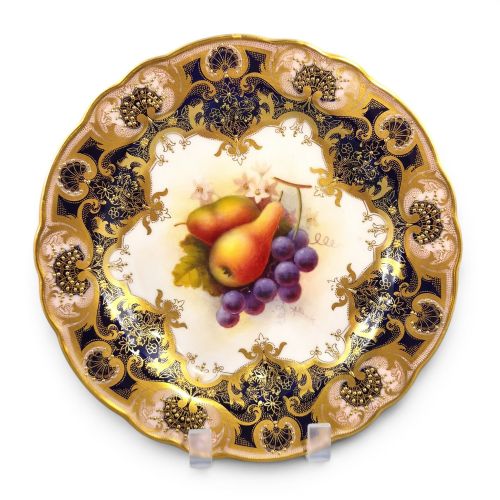
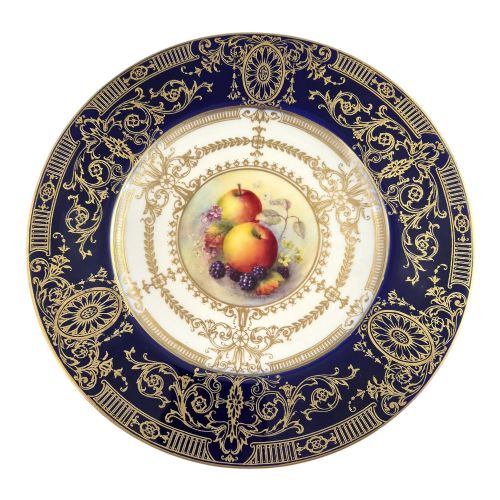
When you search for a vintage porcelain display dish, you encounter a diverse array of decorative plates, chargers, and cabinet plates originating from English potteries, Japanese kilns, and Chinese workshops. The selections span multiple centuries, ranging from eighteenth-century French Sevres and English Delft to nineteenth-century Imari chargers and twentieth-century Royal Worcester painted fruit services.
Most pieces on this page take the form of cabinet plates or large chargers intended specifically for display rather than dining use. These include square Imari plates, scallop-edged bowls, and hand-painted fruit studies by notable artists, reflecting both traditional Eastern aesthetics and classic British craftsmanship.
Materials and production methods
The objects listed utilise fine ceramic bases such as porcelain, bone china, and ironstone, providing a smooth white canvas for intricate decoration. Glaze seals the body, protecting the pigments underneath while creating a lustrous surface finish.
Makers applied enamel colours by hand, often accentuating details with gold leaf, gilt, and heavy gilding. Skilled painters executed detailed botanical, figural, and avian motifs, which were subsequently fired in kilns to bond the metallic and ceramic elements permanently.
Vintage Porcelain Display Dish Retail Price Guide 2026
Typical asking prices for vintage porcelain display dish among the pieces listed under this phrase on Sellingantiques today, from the lower quarter to the upper quarter. They describe what is for sale here now, not the wider market.
Periods represented span the eighteenth century, nineteenth century, and twentieth century up to the 1970s.
Assessing quality in display ceramics
Quality rests primarily in the precision of the hand-painting and the complexity of the design layout. Pieces featuring meticulous brushwork by named artists command attention due to the high level of individual artistic skill required.
The crispness of the gilt work and the depth of the enamel palette also distinguish standard production items from superior examples. Furthermore, well-preserved gilding and vibrant, unrubbed colours indicate careful preservation over generations.
Royal Worcester·Royal Crown Derby·Royal Doulton·Mason·Koshida
The Vintage Porcelain Display Dish Glossary
- Cabinet plate
- A decorative plate intended for display in a cabinet or on a wall rather than for practical dining use. These often feature elaborate hand-painted scenes or rich gilding.
- Charger
- A large decorative plate or dish, frequently hung on walls or placed as the base piece in a table setting. Examples in the evidence span Japanese Imari and eighteenth-century European wares.
- Imari
- A style of Japanese export porcelain characterised by a distinctive palette of underglaze blue, iron red, and gilt. Traditional motifs often incorporate floral and brocade patterns.
- Bone china
- A type of soft-paste porcelain incorporating animal bone ash, resulting in high strength, chip resistance, and a warm translucent white appearance. It became a staple of English potteries.
- Gilding
- The application of gold leaf or gold powder to the surface of ceramic wares to highlight borders, motifs, and handles. It adds a reflective metallic quality to the finished piece.
Vintage Porcelain Display Dish: Frequently Asked Questions
How do I hang a display dish safely?
Use a spring-loaded brass wire hanger that grips the rim securely without scratching the porcelain body. Ensure the wall fixing is anchored firmly to support the weight of larger chargers.
Avoid adhesive disk hangers on valuable or heavy antique pieces, as the glue can degrade over time. Check the tension of the wire periodically to maintain a secure hold.
What is the difference between a cabinet plate and a charger?
Cabinet plates generally measure around twenty to twenty-five centimetres across and feature detailed artistic scenes designed for close inspection. Chargers are significantly larger plates, often exceeding thirty centimetres, made to create a strong visual impact from a distance.
While both serve a purely decorative function, chargers dominate wall displays and sideboard centres, whereas cabinet plates suit enclosed glass furniture.
Can I use these plates for serving food?
Display pieces from the nineteenth and early twentieth centuries often feature delicate overglaze enamels and gold leaf that wear away with cutlery use. Older wares may also contain lead in the glazes, making them unsuitable for modern dining.
Treat these items strictly as decorative works of art rather than functional tableware.