






Hand Painted Ceramic Platter
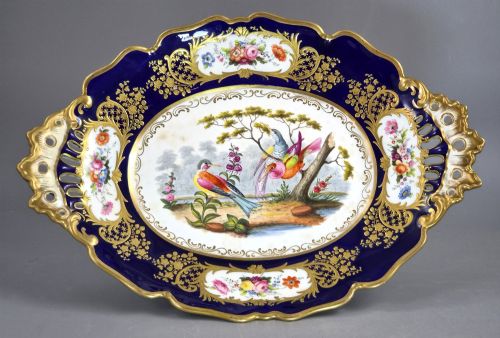
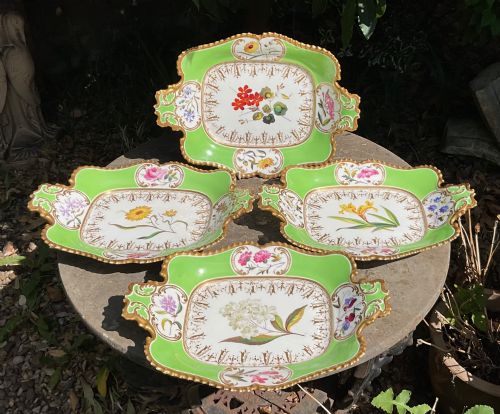
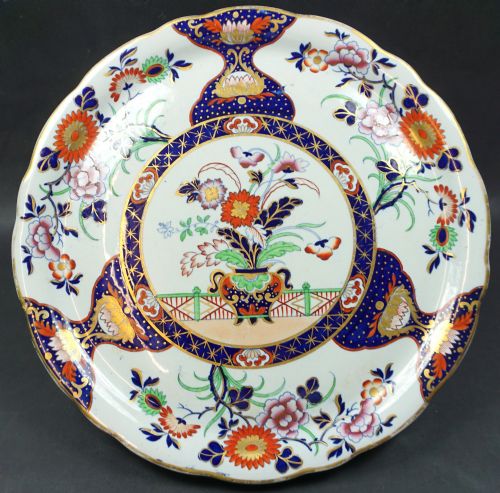
These hand painted ceramic platter examples range from Victorian faience to Dutch Delft and Japanese Imari, offering striking wall or table display.

What They Are
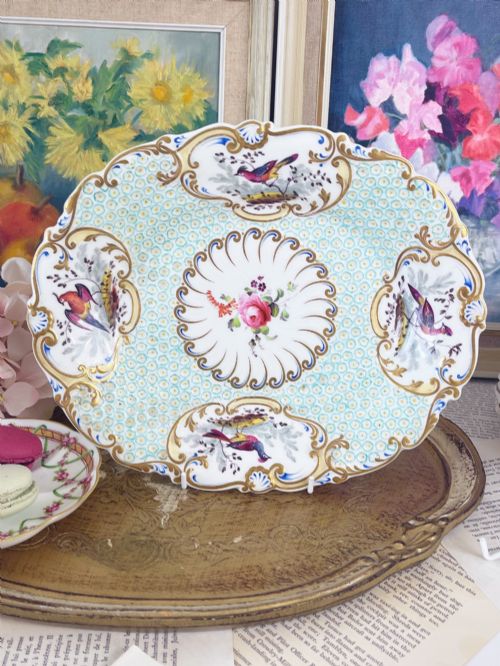
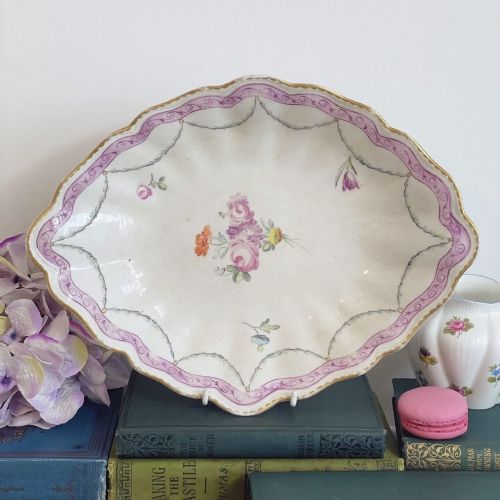
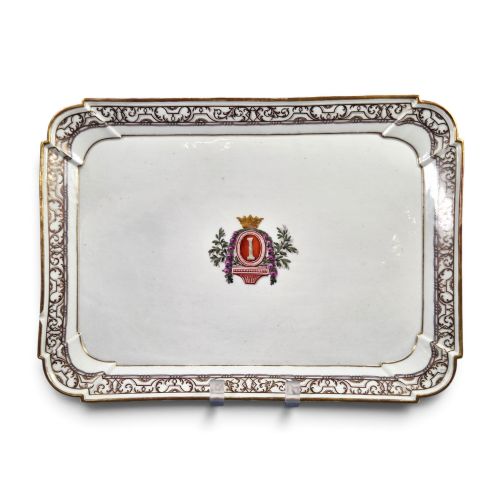
A hand painted ceramic platter brings vibrant colour and pattern to a room, appearing in forms such as decorative plates and large chargers. The pieces on this page span several centuries, reaching from the eighteenth century through the Victorian era and up to the mid-twentieth century.
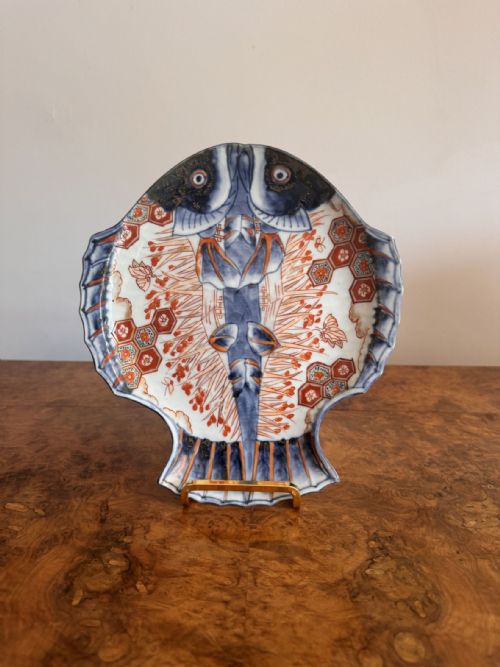
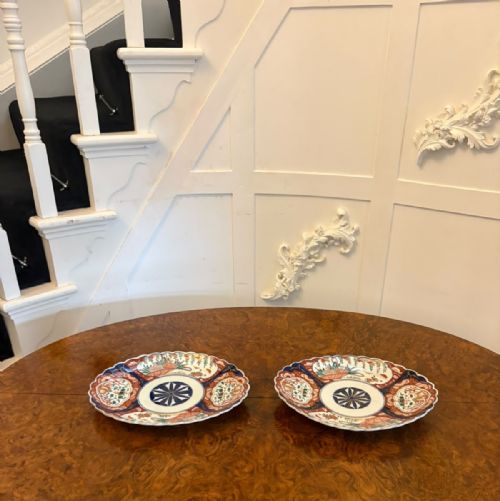
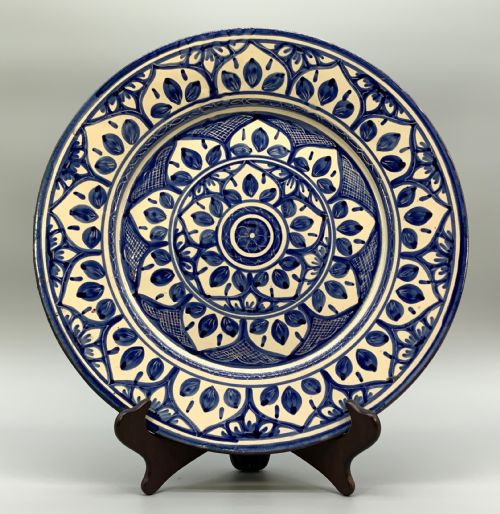
Origins vary widely across the selection, taking in French provincial works, Japanese Meiji pieces, Moorish Revival designs and Dutch Delftware. Buyers encounter diverse stylistic influences, from blue and white tin-glazed earthenware to polychrome enamel work.
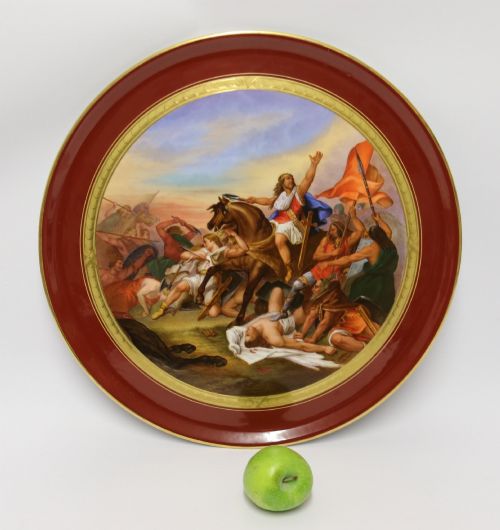
Large chargers dominate the physical formats, offering generous surfaces for detailed pictorial scenes like battles or intricate traditional motifs. Faience and hard-paste porcelain provide the primary structural body for these decorative items.
How They Were Made
Potters shaped these objects from earthenware, faience, and hard-paste porcelain before applying tin glaze or enamel coatings. Artisans then executed the hand-painted decoration directly onto the prepared surfaces.
Grand feu techniques allowed high-temperature firing of manganese and polychrome pigments into the glaze, securing lasting depth of colour. Skilled painters achieved fine detail on both large chargers and smaller plates using traditional brushwork.
Retail Price Guide 2026
Typical UK retail prices for hand painted ceramic platter, calculated from the Sellingantiques database of over a million retail prices indexed since 2003. This retail price guide relies exclusively on Sellingantiques data; no external sources or auction records are used, so the figures do not describe the wider market.
One eighteenth-century Dutch charger depicts the Battle of Tolbiac, proving that historical combat makes surprisingly good dining room company.
What Varies in Quality
The sophistication of the hand-painted brushwork dictates the visual success of each piece, distinguishing simple folk production from ambitious pictorial works. Painted battle scenes and intricate Japanese Imari designs require a high level of draughtsmanship.
The choice of ceramic body also shapes the character of the object, with hard-paste porcelain offering a finer finish than coarser earthenware. Mastery of the glaze, whether tin-glaze or enamel, determines how cleanly the colours sit upon the plate.
The Hand Painted Ceramic Platter Glossary
- Charger
- A large decorative plate traditionally used for ceremonial display or service rather than daily dining. These substantial pieces measure considerably wider than standard dinner plates.
- Faience
- Tin-glazed earthenware produced in Europe, particularly associated with French and Dutch traditions. This porous body receives an opaque white glaze which serves as a ground for painted decoration.
- Grand Feu
- A firing technique executed at very high temperatures that fuses metal oxide pigments directly into the raw glaze. This method produces rich tones of manganese and polychrome.
- Imari
- A style of Japanese porcelain featuring dense cobalt blue and iron red decoration, often enriched with gold. European makers frequently copied these distinctive aesthetic schemes.
Frequently Asked Questions
How do I hang a large charger?
Heavy decorative plates require robust wall fixings and specialised spring-loaded hangers designed to distribute weight safely across the rim.
Ensure the wire or bracket grips the ceramic securely without putting undue pressure on historic glaze or edges.
Can I use these for food?
Historic ceramic platters are primarily intended for decorative display rather than modern culinary service.
Old glazes and earthen bodies may absorb moisture or contain materials unsuited to acidic foods.
What is tin glaze?
Tin glaze is an opaque, white ceramic coating containing tin oxide that provides a smooth surface for painting.
It forms the defining characteristic of traditional delftware and faience production.
How do I date a platter?
Dating relies on examining the characteristics of the ceramic body, the formulation of the glaze, and the style of the painted motifs.
Comparison with documented examples from periods like the eighteenth century or Victorian era helps narrow the timeframe.